Tarapith Temple Travel Guide: A Spiritual Journey to Bengal’s Sacred Shakti Peetha
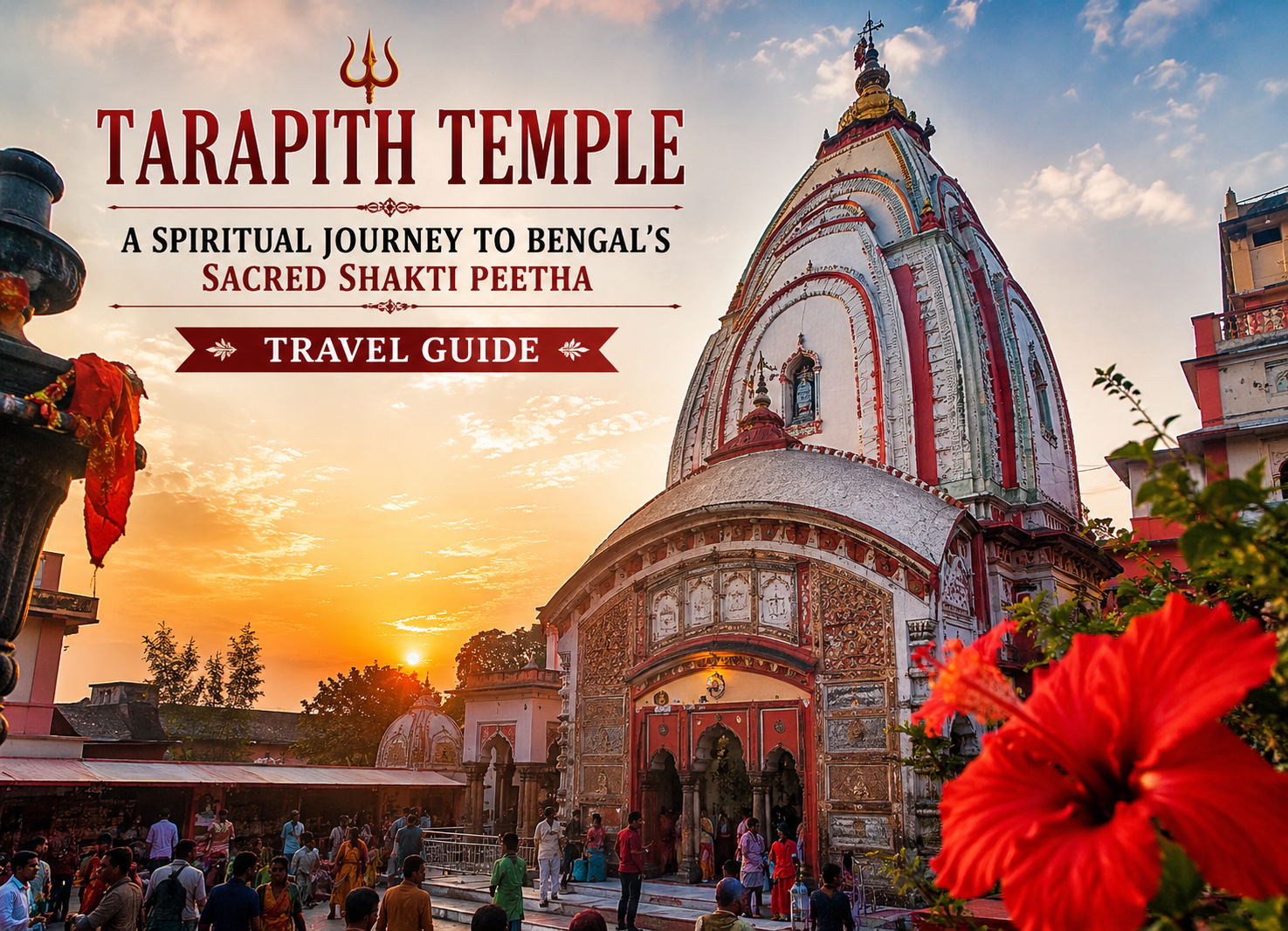
There are places you visit for their beauty, places you travel to for adventure, and then there are destinations that touch something much deeper within you. Tarapith Temple in West Bengal belongs to the last category. It is not merely a religious destination; it is an experience where spirituality, mystery, devotion, folklore, and culture blend into one unforgettable journey.
Located in the Birbhum district of West Bengal, Tarapith is among the most revered Shakti Peethas in India. Every day, thousands of devotees, pilgrims, photographers, and curious travelers walk through its bustling lanes seeking blessings from Goddess Tara. Some come with prayers, others with questions, and many simply to witness one of India’s most fascinating spiritual centers.
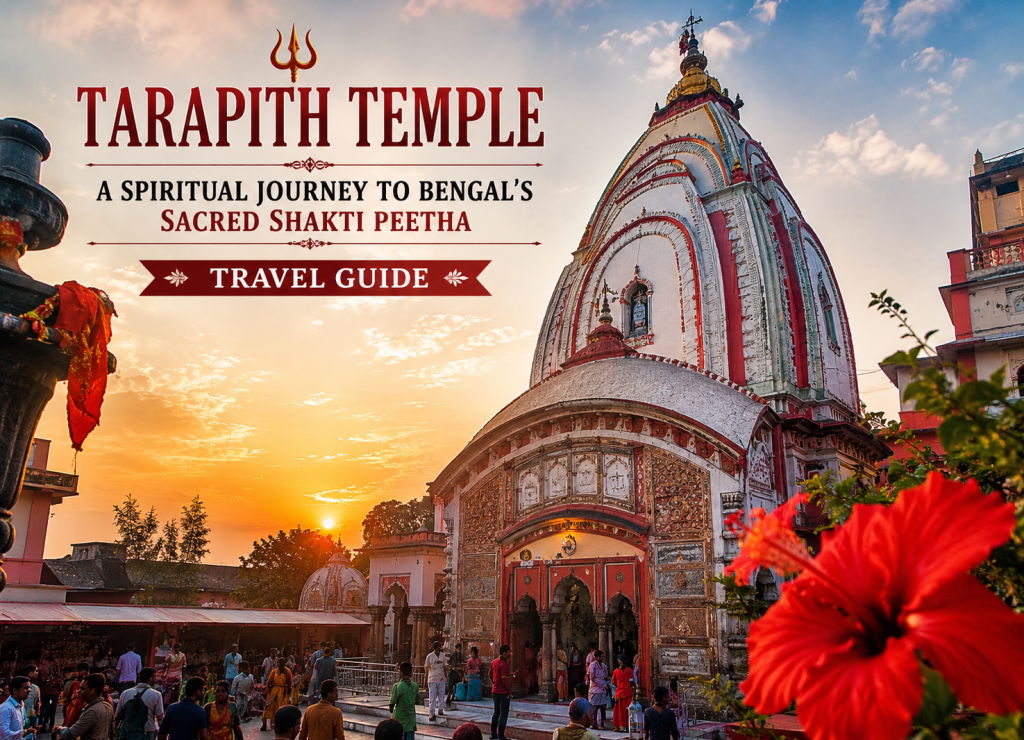
If you are planning a trip to Tarapith, this comprehensive travel guide covers everything—from history and legends to travel tips, food, accommodation, nearby attractions, and practical advice.
Why Visit Tarapith Temple?
Tarapith offers a travel experience unlike any other.
Unlike many temples that impress visitors with massive architecture, Tarapith captivates through its spiritual atmosphere. The temple town breathes devotion. Chanting fills the air, incense burns throughout the day, temple bells echo constantly, and every narrow lane tells a story.
The unique combination of:
- Ancient Hindu traditions
- Tantric worship
- Sacred cremation grounds
- Rich mythology
- Vibrant local markets
- Bengali culture
makes Tarapith one of India’s most distinctive pilgrimage destinations.
The History of Tarapith Temple
Tarapith is believed to be over a thousand years old, although the present temple structure dates back to the early nineteenth century.
According to Hindu mythology, Tarapith is one of the sacred Shakti Peethas. It is believed that the eyeball (or according to some traditions, a part of the third eye) of Goddess Sati fell here after Lord Shiva wandered across the universe carrying her body.
This made Tarapith one of the holiest places dedicated to the Divine Mother.
The temple worships Goddess Tara, one of the ten(Dasa) Mahavidyas. She represents compassion, protection, wisdom, and liberation.
Unlike many depictions of Hindu goddesses, Tara is portrayed in a unique maternal form where she nurses Lord Shiva as a child, symbolizing divine compassion overcoming destruction.
The Legend Behind Tarapith
One of the most fascinating stories connected with Tarapith involves Sage Vashistha.

Legend says the sage performed severe penance here to seek the blessings of Goddess Tara. After years of meditation, the Goddess appeared before him in her divine form.
Since then, Tarapith has remained an important center of Tantric worship.
Another famous figure associated with Tarapith is the legendary saint Bamakhepa, whose miraculous life continues to inspire devotees.
Journey to Tarapith: The Road Begins
Every memorable trip starts long before reaching the destination.
Whether you’re coming from Kolkata, Siliguri, or another part of India, the excitement gradually builds as the urban landscape transforms into peaceful villages, lush green fields, and quiet countryside.
As your vehicle approaches Tarapith, roadside stalls selling flowers, sweets, red hibiscus garlands, conch shells, incense sticks, and religious souvenirs begin appearing.
The spiritual atmosphere becomes immediately noticeable.
How to Reach Tarapith
By Train
The nearest railway station is Tarapith Road Railway Station.
However, many travelers also prefer Rampurhat Junction because it has better connectivity with Kolkata, Howrah, Sealdah, New Jalpaiguri, and other major cities.
Auto-rickshaws and taxis are readily available from both stations.
By Road
Tarapith enjoys excellent road connectivity.
Approximate distances:
- Kolkata – 220 km
- Durgapur – 125 km
- Bolpur (Shantiniketan) – 55 km
- Rampurhat – 10 km
A road trip from Kolkata usually takes around five to six hours.
By Air
The nearest major airport is Netaji Subhas Chandra Bose International Airport in Kolkata.
From there, travelers can continue by train or road.
First Impressions of Tarapith
The town may seem small, but it is incredibly lively.
Narrow streets are lined with:
- Flower shops
- Sweet shops
- Religious bookstores
- Hotels
- Ashrams
- Street food stalls
- Puja material vendors
Every few minutes, chants of “Jai Maa Tara” fill the air.
The entire town revolves around the temple.
The Architecture of Tarapith Temple
Tarapith Temple isn’t grand in size compared to many famous Indian temples.
Yet, its spiritual significance far outweighs its physical dimensions.
The temple displays traditional Bengal temple architecture featuring:
- Curved roofs
- Terracotta influences
- Decorative carvings
- White and red exterior
- Sacred sanctum
Inside the sanctum lies the revered idol of Maa Tara.
The deity remains mostly covered with flowers and ornaments, adding to the divine aura.
The Divine Darshan Experience
Darshan at Tarapith is deeply emotional.
Devotees queue patiently, carrying flowers, sweets, coconuts, and red hibiscus.
Priests chant mantras continuously.
Temple bells ring.
Incense fills the sanctum.
Despite the crowd, many visitors describe an overwhelming sense of peace.
The Famous Mahashmashan
Perhaps the most mysterious attraction in Tarapith is the Mahashmashan (Great Cremation Ground).
Located close to the temple, this cremation ground is considered sacred rather than fearful.
It has long been associated with Tantric practices and meditation.
Many saints are believed to have attained spiritual realization here.
Visitors should maintain silence and respect if they choose to visit.
Bamakhepa: The Mad Saint of Tarapith
No visit to Tarapith is complete without learning about Bamakhepa.
Known affectionately as the “Mad Saint,” he was one of Bengal’s greatest mystics.
His extraordinary devotion to Goddess Tara often ignored conventional religious rules.
Many stories describe miraculous events surrounding his life.
His ashram remains one of Tarapith’s most visited spiritual sites.
Festivals That Transform Tarapith
Tarapith becomes especially vibrant during festivals.
Major celebrations include:
Kali Puja
Thousands gather for night-long worship.
Diwali
The temple glows with countless lamps.
Navratri
Nine days of continuous devotion attract pilgrims nationwide.
Durga Puja
The festive spirit extends throughout the temple town.
Best Time to Visit Tarapith
The ideal months are:
October to March
The weather remains pleasant.
Comfortable for sightseeing.
Perfect for photography.
Summer temperatures can become very high.
The monsoon offers lush greenery but frequent rainfall.
Local Food You Should Try
A journey remains incomplete without tasting local cuisine.
Popular dishes include:
- Luchi with Aloo Dum
- Bengali Thali
- Shorshe Fish
- Mishti Doi
- Rasgulla
- Sandesh
- Khichuri
- Beguni
- Tea served in clay cups
Many restaurants serve delicious vegetarian meals for pilgrims.
Shopping in Tarapith
The local markets offer wonderful souvenirs.
Popular purchases include:
- Brass idols
- Conch shells
- Rudraksha beads
- Incense sticks
- Bengali sweets
- Handcrafted decorative items
- Religious books
- Red hibiscus garlands
Photography Tips
Photography inside the sanctum is generally prohibited.
However, excellent photo opportunities exist around:
- Temple entrance
- Local markets
- Evening lights
- Village roads
- Pilgrims
- Traditional rituals
- Street food
Morning provides the best natural lighting.
Where to Stay
Tarapith offers accommodation for every budget.
Options include:
Budget Hotels
Affordable rooms near the temple.
Mid-range Hotels
Comfortable rooms with modern facilities.
Luxury Resorts
Swimming pools, restaurants, gardens, and premium services.
Many hotels remain within walking distance of the temple.
Advance booking is advisable during festivals.
Nearby Attractions
1. Bamakhepa Ashram
A peaceful spiritual retreat.
2. Rampurhat
Known for local markets and Bengali culture.
3. Shantiniketan
Founded by Nobel Laureate Rabindranath Tagore.
Ideal for extending your trip.
4. Bakreshwar
Famous for hot springs and ancient temples.
Suggested One-Day Itinerary
6:00 AM
Arrive at the temple.
7:00 AM
Morning darshan.
8:30 AM
Breakfast.
10:00 AM
Visit Bamakhepa Ashram.
12:00 PM
Explore markets.
2:00 PM
Lunch.
4:00 PM
Visit Mahashmashan.
6:00 PM
Attend evening aarti.
8:00 PM
Dinner.
Travel Tips
- Dress modestly.
- Remove footwear before entering the temple.
- Carry cash for small purchases.
- Stay hydrated during summer.
- Respect local customs.
- Avoid photography where prohibited.
- Beware of unauthorized guides.
- Visit early morning to avoid crowds.
- Book accommodation during festivals in advance.
- Keep your belongings secure in crowded areas.
Responsible Tourism
Respect the religious sentiments of devotees.
Avoid littering.
Support local businesses.
Treat temple staff courteously.
Maintain silence in sacred areas.
Responsible travel helps preserve Tarapith’s spiritual environment for future generations.
Who Should Visit Tarapith?
Tarapith welcomes everyone:
- Pilgrims
- Solo travelers
- Families
- History enthusiasts
- Culture lovers
- Spiritual seekers
- Photographers
- Weekend travelers
- Researchers of Indian traditions
Whether your interest is religious, historical, or cultural, Tarapith offers meaningful experiences.
Final Thoughts
Tarapith Temple is far more than a stop on a pilgrimage route. It is a destination where mythology, devotion, history, and everyday life come together in remarkable harmony. The temple’s spiritual energy, the legends surrounding Goddess Tara, the mystique of the Mahashmashan, and the warmth of the local community create an atmosphere that lingers long after your journey ends.
As you leave the town, carrying the fragrance of incense on your clothes and the echo of temple bells in your memory, you realize that Tarapith is not merely a place you visited—it is an experience you carry within you. Whether you come seeking blessings, cultural immersion, or a unique travel story, Tarapith rewards every traveler with something deeply personal.
If you’re planning a trip through West Bengal, make Tarapith more than just a quick stop. Spend a day or two exploring its streets, interacting with locals, savoring authentic Bengali cuisine, witnessing the mesmerizing evening aarti, and reflecting on the centuries of faith that continue to draw millions to this sacred town. In doing so, you’ll discover why Tarapith remains one of India’s most captivating spiritual destinations and an unforgettable chapter in any traveler’s journey.