Tripura Sundari Temple: The Divine Jewel of Udaipur Every Traveler Must Visit
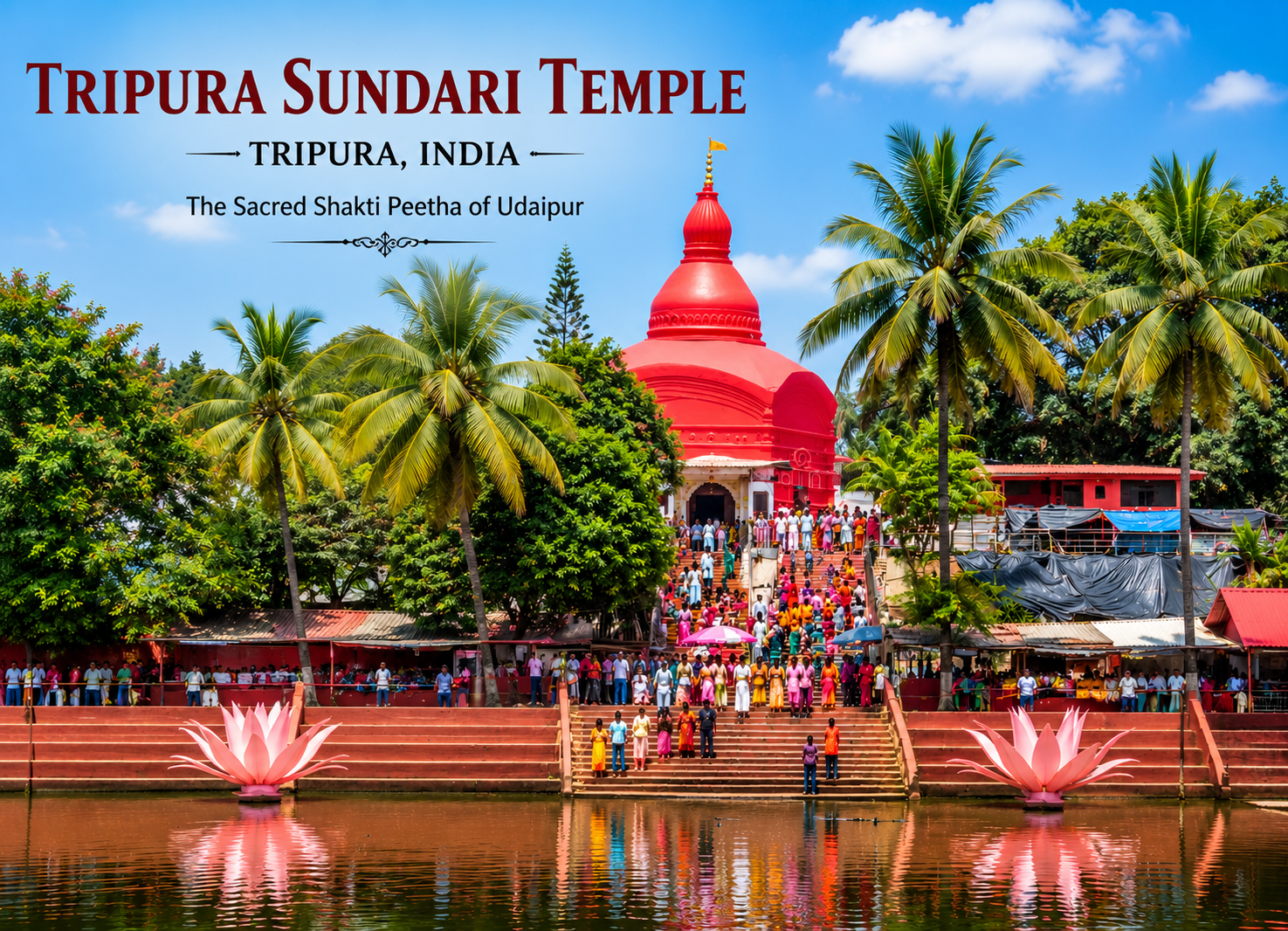
Nestled amid the serene landscapes of Udaipur in the northeastern Indian state of Tripura, the Tripura Sundari Temple is one of the most sacred pilgrimage destinations in India and among the revered 51 Shakti(Sati) Peethas. Popularly known as Matabari, this ancient temple is not merely a place of worship—it is a remarkable blend of spirituality, history, architecture, mythology, and natural beauty that attracts thousands of pilgrims and travelers every year.
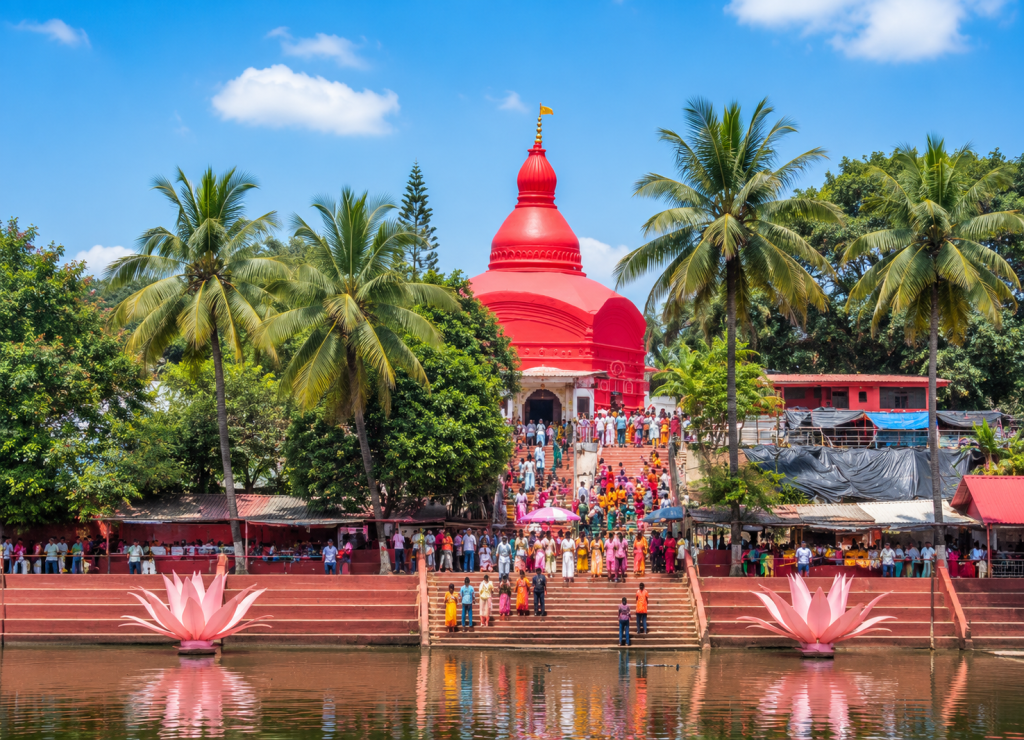
Whether you are a devotee seeking divine blessings, a history enthusiast fascinated by medieval architecture, or a traveler searching for hidden gems in Northeast India, Tripura Sundari Temple offers an unforgettable experience. The peaceful surroundings, the sacred Kalyan Sagar Lake, vibrant festivals, and centuries-old traditions make this destination one of the finest spiritual and cultural attractions in the region.
This comprehensive travel guide explores everything you need to know before visiting Tripura Sundari Temple—from its legendary origins and historical significance to travel tips, nearby attractions, local cuisine, and the best time to visit.
Why Tripura Sundari Temple Is So Famous
Tripura Sundari Temple holds a unique place in Hinduism because it is believed to be one of the holiest Shakti Peethas where the divine energy of Goddess Sati resides. According to Hindu mythology, when Lord Shiva carried the body of Goddess Sati after her self-immolation, Lord Vishnu used his Sudarshan Chakra to dismember her body to calm Shiva’s grief. Various body parts fell across the Indian subcontinent, creating the sacred Shakti Peethas.
At Tripura Sundari Temple, it is believed that the right foot (or toe, according to some traditions) of Goddess Sati fell, making this site immensely sacred for devotees of Goddess Shakti.
The temple is dedicated to Goddess Tripura Sundari, also affectionately known as Maa Tripureswari or Matabari, who is regarded as one of the Ten (Dasa Mahavidyas) in Hindu Tantra. She symbolizes supreme beauty, wisdom, compassion, and cosmic power.
Today, the temple serves not only as a major pilgrimage center but also as one of the most visited tourist attractions in Tripura.
Historical Background
The temple dates back to 1501 CE and was built by Maharaja Dhanya Manikya, one of the greatest rulers of the Manikya dynasty.
Legend says that the king initially intended to construct a temple dedicated to Lord Vishnu. However, Goddess Tripura Sundari appeared in his dream and instructed him to establish her idol instead. Obeying the divine command, the king brought the sacred idol from Chittagong (present-day Bangladesh) and installed it atop a small hill in Udaipur.
Since then, the temple has remained one of the most significant centers of Shakti worship in Northeast India.
Despite political changes, natural disasters, and centuries of history, the temple has retained its spiritual importance and architectural charm.
The Meaning Behind “Tripura Sundari”
The Sanskrit words have profound significance:
- Tripura means “three worlds” or “three cities.”
- Sundari means “the most beautiful.”
Together, Tripura Sundari represents the Divine Mother who rules over all three worlds and embodies eternal beauty, supreme consciousness, and cosmic energy.
In Tantric philosophy, she is regarded as the highest manifestation of feminine divine power.
Architectural Beauty
One of the first things visitors notice is the temple’s elegant yet simple architectural design.
Unlike the gigantic temple complexes found elsewhere in India, Tripura Sundari Temple has a compact, peaceful structure that perfectly complements its spiritual atmosphere.
The temple displays a unique combination of:
- Traditional Bengali temple architecture
- Curved roof design
- Buddhist architectural influences
- Medieval Tripuri craftsmanship
The red-colored temple rises gracefully atop a small hill, making it visible from different parts of Udaipur.
Inside the sanctum lies the beautiful black stone idol of Goddess Tripura Sundari.
The idol stands approximately 1.57 meters tall and depicts the goddess seated upon Lord Shiva’s chest, symbolizing the union of Shakti and Shiva.
Another smaller idol, locally known as Chhoti Maa, is also worshipped with equal devotion.
Kalyan Sagar: The Sacred Lake
Adjacent to the temple lies the famous Kalyan Sagar, a large sacred lake constructed by Maharaja Kalyan Manikya.
The lake significantly enhances the beauty of the temple complex.
Visitors often enjoy:
- Feeding giant turtles
- Watching large freshwater fish
- Peaceful evening walks
- Photography
- Meditation beside the water
The lake has become an ecological attraction alongside its religious significance.
Watching the reflection of the temple on the calm waters during sunrise or sunset creates one of the most mesmerizing sights in Tripura.
Religious Importance
Tripura Sundari Temple occupies a central position in Shakta worship.
Devotees believe that sincere prayers here bring:
- Prosperity
- Good health
- Success
- Family harmony
- Spiritual awakening
Thousands of pilgrims visit throughout the year to perform:
- Special pujas
- Homas
- Offerings
- Animal sacrifice (a traditional practice that continues under regulated conditions)
- Deepa offerings
- Annaprasana ceremonies
- Mundan rituals
Many devotees also undertake long pilgrimages to visit multiple Shakti Peethas, with Tripura Sundari Temple forming an essential stop.
The Divine Idol
The black stone idol is carved from Kashti stone (black chlorite).
The goddess is portrayed in the fierce yet compassionate form of Kali while simultaneously embodying the graceful aspect of Tripura Sundari.
She has four hands carrying symbolic weapons and blessings representing:
- Protection
- Knowledge
- Destruction of evil
- Liberation
The idol radiates immense spiritual energy, leaving many visitors emotionally overwhelmed.
Daily Rituals
The temple follows an elaborate schedule of rituals every day.
These include:
- Mangala Aarti before sunrise
- Morning worship
- Bhog offering
- Afternoon rituals
- Evening Aarti
- Night prayers
The rhythmic chanting of Vedic hymns, ringing bells, incense, and devotional songs create a profoundly spiritual atmosphere.
Festivals at Tripura Sundari Temple
Diwali Festival
The most spectacular celebration occurs during Diwali, when the temple hosts the famous Diwali Mela.
Millions of oil lamps illuminate the temple complex.
Thousands of pilgrims from India and Bangladesh participate in:
- Cultural performances
- Religious ceremonies
- Local handicraft fairs
- Traditional food stalls
- Folk music
The entire city of Udaipur transforms into a vibrant spiritual carnival.
Navratri
Navratri is another grand celebration featuring nine days of continuous worship, devotional music, and special rituals.
Durga Puja
Although Durga Puja is celebrated throughout eastern India, the festivities at Matabari possess a unique devotional atmosphere.
Best Time to Visit
The ideal months are:
October to March
Weather remains pleasant with temperatures ranging between 15°C and 28°C.
These months are perfect for:
- Temple visits
- Sightseeing
- Photography
- Boating
- Exploring Udaipur
If you wish to experience the grand Diwali celebrations, plan your trip during October or November depending on the Hindu calendar.
How to Reach Tripura Sundari Temple
By Air
The nearest airport is Maharaja Bir Bikram Airport, Agartala, approximately 55 km away.
From the airport, taxis and buses regularly operate to Udaipur.
By Train
The nearest railway station is Udaipur Tripura Railway Station, connected to Agartala and other important destinations.
By Road
Well-maintained highways connect Udaipur with:
- Agartala
- Belonia
- Sabroom
- Dharmanagar
Government and private buses operate frequently.
Temple Timings
Generally:
Morning: 5:00 AM – 2:00 PM
Evening: 3:00 PM – 9:00 PM
Festival timings may vary.
Morning visits are recommended to avoid crowds and enjoy peaceful darshan.
Entry Fee
Entry into the temple is free.
Photography outside the temple complex is usually permitted.
Photography inside the sanctum may be restricted.
Dress Code
Although no strict dress code exists, visitors are encouraged to wear:
- Traditional Indian attire
- Decent casual clothing
- Covered shoulders and knees
Footwear must be removed before entering.
Local Cuisine
A visit to Udaipur remains incomplete without tasting Tripura’s local delicacies.
Popular dishes include:
- Mui Borok
- Bamboo shoot curry
- Chakhwi
- Mosdeng
- Fish curry
- Rice-based traditional meals
- Bengali sweets
- Pitha
- Fresh coconut sweets
Temple prasad is equally cherished by devotees.
Nearby Tourist Attractions
Neermahal
Located around 25 km away, Neermahal is India’s largest water palace in eastern India.
Built in the middle of Rudrasagar Lake, it combines Mughal and Hindu architecture.
Bhuvaneswari Temple
Another historic temple associated with Rabindranath Tagore.
Gomati River
The peaceful riverbanks offer relaxing walks and beautiful scenery.
Tepania Eco Park
Ideal for nature lovers seeking forests, walking trails, and birdwatching.
Chabimura
Known for gigantic rock carvings of Hindu deities along the Gomati River.
Photography Tips
The temple is exceptionally photogenic.
Best shots can be captured:
- During sunrise
- At sunset
- During Diwali illumination
- From Kalyan Sagar Lake
- From elevated viewpoints
Always respect temple rules while photographing.
Shopping Around the Temple
Visitors can purchase:
- Bamboo handicrafts
- Cane products
- Tribal textiles
- Religious souvenirs
- Incense sticks
- Brass idols
- Local sweets
These handmade products support local artisans.
Travel Tips
- Visit early morning for peaceful darshan.
- Carry drinking water during summer.
- Respect local customs.
- Avoid littering.
- Hire local guides for historical insights.
- Spend time around Kalyan Sagar Lake.
- Visit nearby attractions on the same day.
- Keep cash for small purchases.
- Try local cuisine.
- Attend evening Aarti if possible.
Suggested One-Day Itinerary
6:00 AM – Reach Tripura Sundari Temple
6:30 AM – Morning Aarti
7:30 AM – Walk around Kalyan Sagar
8:30 AM – Breakfast
10:00 AM – Visit Bhuvaneswari Temple
1:00 PM – Lunch
3:00 PM – Explore Neermahal
6:00 PM – Return for Evening Aarti
8:00 PM – Local shopping
Interesting Facts
- One of India’s 51 sacred Shakti Peethas.
- Built over 500 years ago.
- Popularly called Matabari.
- Houses two revered idols of the Goddess.
- Kalyan Sagar is home to protected giant turtles.
- The temple attracts pilgrims from both India and Bangladesh.
- Diwali Mela is one of Tripura’s largest religious fairs.
- It is among the most important Tantric pilgrimage sites in India.
Why Every Traveler Should Visit
Tripura Sundari Temple is much more than a pilgrimage destination. It beautifully combines faith, heritage, nature, and culture into a single unforgettable experience. Whether you come seeking spiritual peace, architectural beauty, historical knowledge, or simply wish to explore one of Northeast India’s hidden treasures, this sacred temple never disappoints.
Its tranquil surroundings, centuries-old traditions, welcoming local community, and stunning setting beside Kalyan Sagar Lake create memories that stay with visitors long after they leave.
As India’s northeastern states continue to gain recognition for their untouched beauty and rich heritage, Tripura Sundari Temple stands proudly as one of the region’s greatest spiritual landmarks. Every prayer offered here, every bell that rings through the temple courtyard, and every reflection shimmering on Kalyan Sagar reminds travelers that some places are not merely destinations—they are experiences that nourish the soul.
If your travel bucket list includes sacred sites, cultural wonders, and offbeat destinations, make sure Tripura Sundari Temple in Udaipur, Tripura, occupies a prominent place. A visit here is not just a journey across miles—it is a journey into history, devotion, and timeless divine grace.
Frequently Asked Questions (FAQs)
1. Where is Tripura Sundari Temple located?
Tripura Sundari Temple, popularly known as Matabari, is located in Udaipur, Gomati district, in the northeastern Indian state of Tripura. It is approximately 55 kilometers from Agartala, the state capital.
2. Why is Tripura Sundari Temple famous?
The temple is famous for being one of the 51 sacred Shakti Peethas in Hinduism. According to Hindu mythology, the right foot (or toe, according to some traditions) of Goddess Sati is believed to have fallen here. It is also renowned for its rich history, beautiful architecture, and the sacred Kalyan Sagar Lake.
3. Who built Tripura Sundari Temple?
Tripura Sundari Temple was built in 1501 CE by Maharaja Dhanya Manikya, one of the most celebrated rulers of the Manikya dynasty of Tripura.
4. What is the best time to visit Tripura Sundari Temple?
The best time to visit is between October and March, when the weather is pleasant for sightseeing. Visiting during Diwali offers a unique opportunity to witness the famous Diwali Mela, when the temple is illuminated with thousands of lamps.
5. What are the temple timings?
The temple generally remains open from 5:00 AM to 2:00 PM and again from 3:00 PM to 9:00 PM. Timings may vary slightly during festivals and special religious occasions.
6. Is there an entry fee for Tripura Sundari Temple?
No. Entry to Tripura Sundari Temple is completely free for all visitors.
7. How can I reach Tripura Sundari Temple?
The nearest airport is Maharaja Bir Bikram Airport in Agartala, about 55 km away. Udaipur is also connected by railway and well-maintained roads, with regular buses and taxis available from Agartala and other major towns in Tripura.
8. Why is the temple called Matabari?
The temple is affectionately known as Matabari, which means “Mother’s House.” Devotees lovingly use this name to express their deep reverence and emotional connection with Goddess Tripura Sundari.
9. Can tourists take photographs inside the temple?
Photography is generally allowed in the temple premises and around Kalyan Sagar Lake. However, photography inside the sanctum sanctorum is usually prohibited. Visitors should always follow the instructions of the temple authorities.
10. What is Kalyan Sagar?
Kalyan Sagar is a sacred lake situated beside the temple. It is famous for its large freshwater turtles and fish, peaceful surroundings, and beautiful reflections of the temple, making it a popular spot for both pilgrims and photographers.
11. Which nearby attractions can be visited along with Tripura Sundari Temple?
Popular nearby attractions include Neermahal, Bhuvaneswari Temple, Chabimura Rock Carvings, Tepania Eco Park, and the scenic Gomati River. Together, these destinations make for an excellent one- or two-day itinerary.
12. What is the significance of Goddess Tripura Sundari?
Goddess Tripura Sundari is one of the Dasha Mahavidyas and is worshipped as the embodiment of supreme beauty, wisdom, compassion, and cosmic energy. She is considered the Divine Mother who governs the three worlds.
13. Is Tripura Sundari Temple suitable for family trips?
Yes. The temple is an excellent destination for families, pilgrims, solo travelers, photographers, and cultural enthusiasts. The peaceful environment and nearby attractions make it suitable for visitors of all ages.
14. Are accommodation facilities available near the temple?
Yes. Udaipur offers a range of accommodation options, including budget hotels, guest houses, and government tourist lodges. Luxury hotels are also available in Agartala for travelers planning longer stays.
15. How much time should I spend at Tripura Sundari Temple?
Most visitors spend 2–3 hours exploring the temple and Kalyan Sagar Lake. If you wish to include nearby attractions such as Neermahal and Bhuvaneswari Temple, plan a full-day trip.