Char Dham Yatra Guide: The Ultimate Spiritual Journey Through Uttarakhand
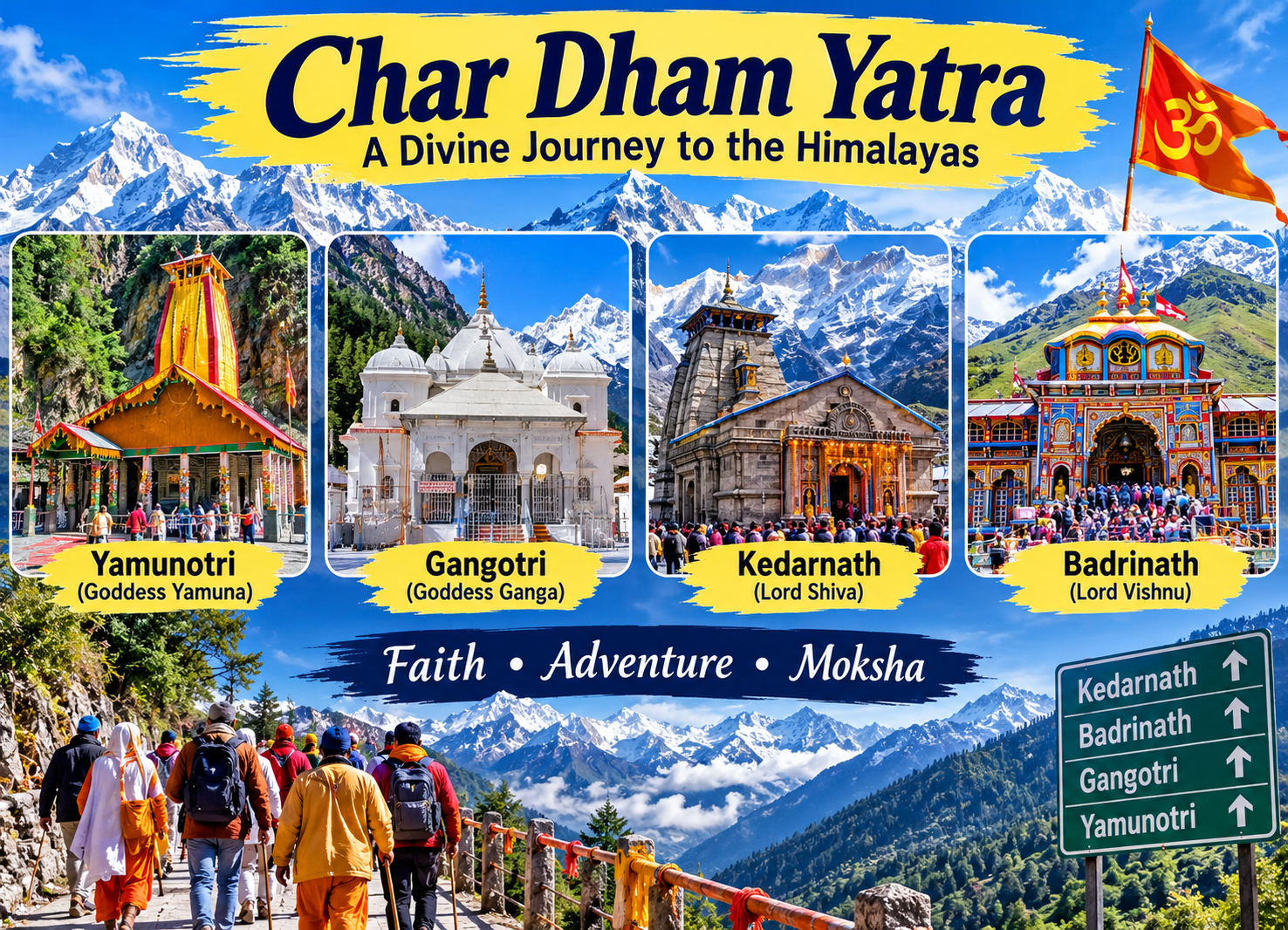
There are road trips, there are mountain adventures, and then there is the Char Dham Yatra—a pilgrimage that touches not only the Himalayan peaks but also the hearts of millions. Nestled amidst the majestic Garhwal Himalayas in Uttarakhand, the Char Dham circuit comprises Yamunotri, Gangotri, Kedarnath, and Badrinath, four sacred destinations revered in Hinduism.
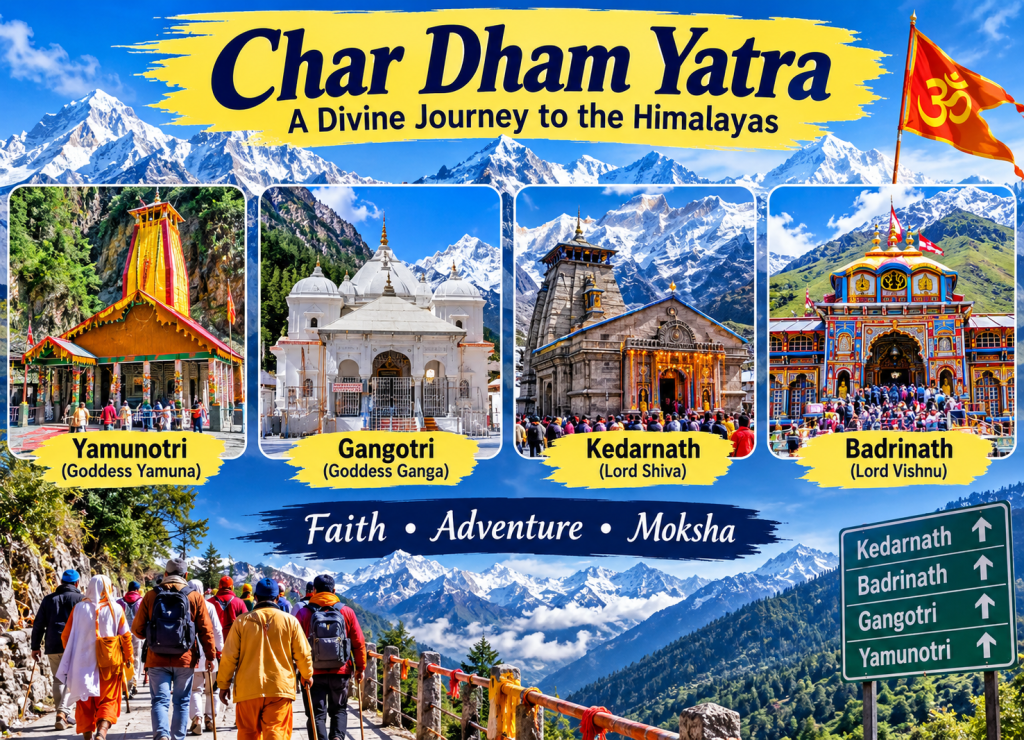
For countless devotees, this journey is more than a vacation. It is an opportunity to seek blessings, experience breathtaking landscapes, and immerse themselves in centuries-old traditions. Every bend in the mountain roads reveals snow-capped peaks, crystal-clear rivers, dense forests, and charming villages, making the yatra equally rewarding for spiritual seekers and travel enthusiasts.
Imagine beginning your day with the soothing sound of temple bells, trekking through mist-covered mountains, sipping hot tea beside a roaring river, and ending the evening with the mesmerizing glow of an aarti. That is the magic of the Char Dham Yatra.
What is Char Dham Yatra?
The Char Dham Yatra of Uttarakhand is a sacred pilgrimage circuit consisting of four holy shrines:
- Yamunotri
- Gangotri
- Kedarnath
- Badrinath
Traditionally, pilgrims visit them in this sequence:
Yamunotri → Gangotri → Kedarnath → Badrinath
This clockwise route is believed to symbolize purification and spiritual progression.
According to Hindu belief, completing the Char Dham Yatra washes away sins, grants divine blessings, and paves the way toward spiritual liberation (moksha). While the journey has deep religious significance, it also offers one of India’s most spectacular mountain experiences.
The Spiritual Significance of Char Dham
Each of the four shrines represents a unique aspect of Hindu spirituality.
Yamunotri
Dedicated to Goddess Yamuna, this shrine symbolizes purity and protection. Devotees believe that taking blessings here helps them overcome fear and leads to a righteous life.
Gangotri
Gangotri marks the origin of the sacred River Ganga in Hindu tradition. Pilgrims come here to offer prayers and seek purification of body, mind, and soul.
Kedarnath
One of the 12(twelve) Jyotirlingas of Lord Shiva, Kedarnath is among the most revered pilgrimage sites in India. Surrounded by towering Himalayan peaks, it represents strength, devotion, and resilience.
Badrinath
Dedicated to Lord Vishnu, Badrinath is one of the holiest Vaishnavite temples. It is believed that Lord Vishnu meditated here while Goddess Lakshmi protected him in the form of a Badri tree.
A Brief History
The Char Dham pilgrimage gained prominence through Adi Shankaracharya, who revived Hindu pilgrimage traditions across India during the 8th century. He established Badrinath as a major center of worship and encouraged devotees to undertake pilgrimages to these sacred Himalayan shrines.
Over centuries, saints, sages, kings, and ordinary pilgrims have walked these routes despite harsh weather and rugged terrain. Today, improved roads, bridges, and helicopter services have made the pilgrimage more accessible while preserving its spiritual essence.
Best Time to Visit Char Dham
The temples remain open only for part of the year due to heavy snowfall.
Ideal months:
- May
- June
- September
- October
Summer (May–June)
Pleasant weather, lush greenery, and ideal conditions for trekking. This is the busiest pilgrimage season.
Monsoon (July–August)
Heavy rainfall may trigger landslides and road closures. Travel during this period requires extra caution.
Autumn (September–October)
Clear skies, crisp mountain air, vibrant landscapes, and comparatively fewer crowds make this one of the best times to visit.
Starting Point of the Journey
Most travelers begin from:
- Haridwar
- Rishikesh
- Dehradun
Haridwar and Rishikesh are well-connected by rail and road, while Dehradun has the nearest airport.
Many pilgrims spend a day exploring Har Ki Pauri in Haridwar or attending the evening Ganga Aarti in Rishikesh before starting their Himalayan adventure.
Yamunotri: The First Dham
Altitude: 3,293 meters
Dedicated to Goddess Yamuna, Yamunotri is the first destination of the Char Dham circuit.
The final stretch involves a scenic trek of approximately 5–6 km from Janki Chatti. Travelers can also opt for ponies, palanquins, or porters.
The trek is filled with waterfalls, pine forests, mountain streams, and breathtaking Himalayan views. Every step brings a deeper sense of peace.
Major Attractions
- Yamunotri Temple
- Surya Kund
- Divya Shila
- Hot water springs
- Janki Chatti
Pilgrims traditionally cook rice or potatoes in the naturally boiling waters of Surya Kund as a sacred offering.
Gangotri: The Sacred Source of the Ganga
Altitude: 3,100 meters
Gangotri is dedicated to Goddess Ganga and is one of the holiest river pilgrimage destinations in India.
According to Hindu mythology, King Bhagiratha performed intense penance to bring the River Ganga from heaven to earth for the salvation of his ancestors.
The temple stands on the banks of the roaring Bhagirathi River, surrounded by towering deodar forests and snow-clad mountains.
Must-Visit Attractions
- Gangotri Temple
- Bhagirath Shila
- Pandava Gufa
- Surya Kund
- Gaumukh Trek (for experienced trekkers)
Watching the evening aarti at Gangotri is a deeply moving experience as the chants echo through the mountains and the river glows in the light of hundreds of lamps.
Kedarnath: The Abode of Lord Shiva
Altitude: 3,583 meters
Kedarnath is often considered the spiritual highlight of the Char Dham Yatra. Set against the majestic Kedarnath Peak, the temple radiates serenity and strength.
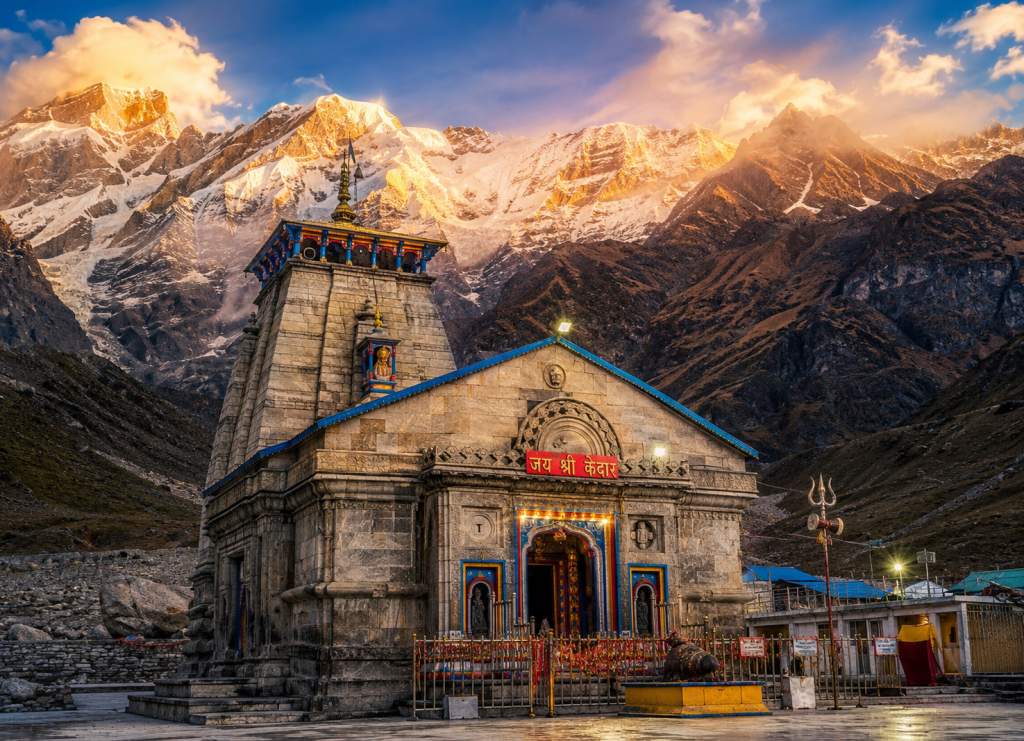
The journey from Gaurikund to Kedarnath involves a trek of approximately 16–18 km. Pilgrims may also use ponies, palkis, or helicopter services from nearby helipads, depending on weather and availability.
The ancient stone temple, believed to date back over a thousand years, has withstood harsh Himalayan conditions and remains a symbol of unwavering faith. Standing before the temple with snow-covered mountains in the background is an unforgettable moment for every visitor.
Major attractions include the Kedarnath Temple, Bhairavnath Temple, Adi Shankaracharya Samadhi, Gandhi Sarovar, and the panoramic Himalayan vistas that surround the shrine.
Badrinath: The Sacred Abode of Lord Vishnu
Altitude: 3,133 meters (10,279 ft)
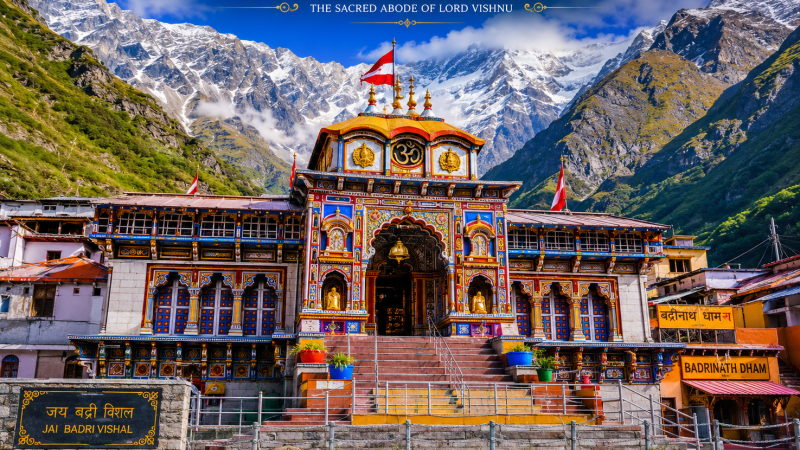
After the spiritually intense visit to Kedarnath, pilgrims continue toward the final destination of the Char Dham Yatra—Badrinath, one of the holiest temples dedicated to Lord Vishnu. Located on the banks of the Alaknanda River and surrounded by the majestic Nar and Narayan mountain ranges, Badrinath offers an unforgettable blend of spirituality and Himalayan beauty.
Legend has it that Lord Vishnu performed deep meditation here while Goddess Lakshmi protected Him from the harsh Himalayan climate by taking the form of the Badri tree, giving the temple its name.
The colorful temple façade, snow-covered peaks, sacred river, and devotional atmosphere make Badrinath one of India’s most photographed pilgrimage destinations.
Major Attractions in Badrinath
Badrinath Temple
The main temple is dedicated to Lord Badri Narayan (Vishnu). The black stone idol is believed to be over 1,000 years old and is one of the most revered deities in Hinduism.
Tapt Kund
Before entering the temple, pilgrims traditionally take a holy dip in Tapt Kund, a natural hot water spring believed to possess healing properties despite the freezing weather.
Mana Village
Just 3 km from Badrinath lies Mana Village, celebrated as the last Indian village before the Indo-Tibetan border. Walking through this picturesque Himalayan settlement feels like stepping back in time.
Highlights include:
- Vyas Gufa
- Ganesh Gufa
- Bheem Pul
- Saraswati River Origin
- Local Himalayan handicrafts
Charan Paduka
A short but rewarding trek leads to Charan Paduka, where a rock bears what devotees believe are the footprints of Lord Vishnu.
The Ideal Char Dham Yatra Itinerary
A well-planned itinerary allows travelers to enjoy both the spiritual significance and the stunning Himalayan landscapes without rushing.
Day 1
Arrival at Haridwar or Rishikesh.
Attend the mesmerizing Ganga Aarti and rest.
Day 2
Drive to Barkot.
Approximate distance: 180–220 km.
Day 3
Visit Yamunotri Temple and return to Barkot.
Day 4
Drive to Uttarkashi.
Explore local temples.
Day 5
Visit Gangotri Temple and return to Uttarkashi.
Day 6
Drive to Guptkashi.
Enjoy spectacular mountain scenery along the route.
Day 7
Travel to Gaurikund and trek to Kedarnath.
Stay overnight near the temple if possible.
Day 8
Morning darshan at Kedarnath.
Return to Guptkashi.
Day 9
Drive to Badrinath.
Visit Mana Village if time permits.
Day 10
Morning darshan.
Visit nearby attractions.
Drive to Rudraprayag or Joshimath.
Day 11
Return to Rishikesh or Haridwar.
Char Dham Yatra Registration
Registration is mandatory for all pilgrims.
It helps authorities monitor pilgrim movement, improve safety, and provide emergency assistance if required.
Pilgrims should keep:
- Government-issued photo ID
- Mobile number
- Passport-size photograph (if required)
- Emergency contact details
Online registration before departure helps save considerable time during the journey.
Helicopter Services
For elderly pilgrims or travelers with limited time, helicopter services are available for Kedarnath and full Char Dham packages.
Advantages include:
- Significant reduction in travel time
- Comfortable access for senior citizens
- Spectacular aerial views of the Himalayas
- Reduced physical strain
Advance booking is highly recommended because seats are limited during the pilgrimage season.
Accommodation Options
Accommodation is available in every major halt of the Char Dham route.
Choices include:
- Budget guesthouses
- Dharamshalas
- GMVN Tourist Rest Houses
- Mid-range hotels
- Luxury camps
- Premium resorts (limited locations)
Booking accommodations several months in advance is advisable, especially during May and June.
Food During the Yatra
The Char Dham route primarily serves pure vegetarian food.
Popular dishes include:
- Aloo Paratha
- Puri Sabzi
- Khichdi
- Rajma Chawal
- Kadhi Rice
- Maggi
- Tea
- Local Garhwali cuisine
Fresh mountain water and simple meals make the journey both healthy and satisfying.
Estimated Budget
The cost depends on the mode of travel.
Budget Trip
₹18,000–₹30,000 per person
Standard Tour
₹30,000–₹55,000 per person
Luxury Tour
₹60,000–₹1,20,000+ per person
Helicopter Package
₹1,50,000–₹2,80,000+ per person
Expenses generally include transportation, accommodation, meals, registration, and local transfers.
Essential Packing Checklist
Carry only what is necessary while ensuring you’re prepared for changing mountain weather.
Clothing
- Thermal wear
- Waterproof jacket
- Woollen cap
- Gloves
- Warm socks
Footwear
- Trekking shoes
- Comfortable sandals
Medicines
- Personal prescriptions
- Motion sickness tablets
- Pain relief spray
- First-aid kit
Other Essentials
- Power bank
- Torch
- Raincoat
- Sunglasses
- Sunscreen
- Water bottle
- Dry fruits
- Identity documents
Important Travel Tips
- Start your day early to avoid traffic and changing weather.
- Acclimatize gradually to high altitudes.
- Stay hydrated throughout the journey.
- Avoid alcohol and smoking.
- Wear layered clothing.
- Respect local customs and temple rules.
- Keep cash, as digital payments may not work in remote areas.
- Follow weather advisories before traveling.
- Maintain cleanliness and avoid littering.
- Travel responsibly to preserve the fragile Himalayan ecosystem.
Why Every Traveler Should Experience Char Dham
Whether you are a pilgrim, photographer, trekker, or travel enthusiast, the Char Dham Yatra offers something extraordinary.
You witness:
- Towering Himalayan peaks
- Sacred rivers
- Ancient temples
- Rich mythology
- Vibrant local culture
- Peaceful mountain villages
- Stunning sunrises
- Spiritual ceremonies
- Adventure-filled roads
- Life-changing experiences
Few journeys combine natural beauty, spirituality, culture, and adventure as seamlessly as the Char Dham circuit.
Frequently Asked Questions (FAQs)
1. What is the best time for the Char Dham Yatra?
May–June and September–October are generally considered the best months due to pleasant weather and safer travel conditions.
2. Is registration compulsory?
Yes. Registration is mandatory for all pilgrims.
3. How many days are required?
A comfortable trip usually takes 10–12 days, though helicopter packages can shorten the duration.
4. Which Dham is visited first?
The traditional order is Yamunotri → Gangotri → Kedarnath → Badrinath.
5. Is the trek to Kedarnath difficult?
The trek is moderately challenging. Ponies, palkis, and helicopter services are available for those who need assistance.
6. Can senior citizens undertake the Yatra?
Yes. Many senior citizens complete the pilgrimage each year with proper planning, medical advice, and, if needed, helicopter services.
7. Is vegetarian food easily available?
Yes. The entire route primarily serves vegetarian meals.
8. Are ATMs available?
ATMs are available in major towns, but carrying sufficient cash is recommended because connectivity may be unreliable in remote areas.
9. Is mobile network coverage reliable?
Coverage is available in many areas but can be intermittent in higher altitudes.
10. Why is the Char Dham Yatra considered so sacred?
It is believed that visiting all four shrines purifies the soul, grants divine blessings, and brings the pilgrim closer to spiritual liberation (moksha).
Conclusion
The Char Dham Yatra is much more than a pilgrimage—it’s a transformative Himalayan journey that blends devotion, adventure, and breathtaking natural beauty. From the sacred hot springs of Yamunotri to the divine banks of the Ganga at Gangotri, from the awe-inspiring Kedarnath Temple beneath towering snow peaks to the serene presence of Lord Vishnu at Badrinath, every step offers a profound connection with nature and spirituality.
Whether you’re seeking blessings, exploring India’s rich cultural heritage, or simply longing for an unforgettable mountain adventure, the Char Dham Yatra promises memories that last a lifetime. Plan thoughtfully, travel responsibly, and embrace the journey with an open heart—the Himalayas have a remarkable way of leaving every traveler transformed.