Shakti: Cosmic Energy in Hindu Theology

In the intricate tapestry of Hindu theology, Shakti emerges as the fundamental cosmic energy and a pivotal deity in the Shaktism tradition. This divine force, often depicted as the consort of Shiva, embodies dynamic energies permeating the universe. Shaktism venerates Devi, the Supreme Brahman, with goddesses like Durga, Kali, Parvati, and Tripura Sundari representing unique facets of her power.

Shakti’s Historical Roots
The roots of Shaktism extend deep into history, with artifacts like the Baghor stone suggesting goddess worship in the Paleolithic era. Found in the Son River valley, this triangular stone, estimated to date back to 9,000–8,000 BCE, provides an early example of a yantra, symbolizing the presence of Shakti.
Shaktism Philosophy and Practice
Shaktism’s philosophy and practices share similarities with Shaivism, but Shaktas, its practitioners, focus predominantly on worshiping Shakti—the dynamic feminine aspect of the Supreme Divine. Devi, in Shaktism, is regarded as the Supreme Brahman, and other divinities are seen as diverse manifestations of her.
Adi Parashakti
Central to Shaktism is the concept of Adi Parashakti, the supreme goddess underlying all others. Vaishnavas see her as Lakshmi, Shaivas as Parvati, Durga, Lalita, and Kali, while Shaktas identify her as Durga, Tripura Sundari, Bhuvaneshvari, and Kali. Adi Parashakti is the unifying force behind various deities in different Hindu traditions.
Shaktism in South India
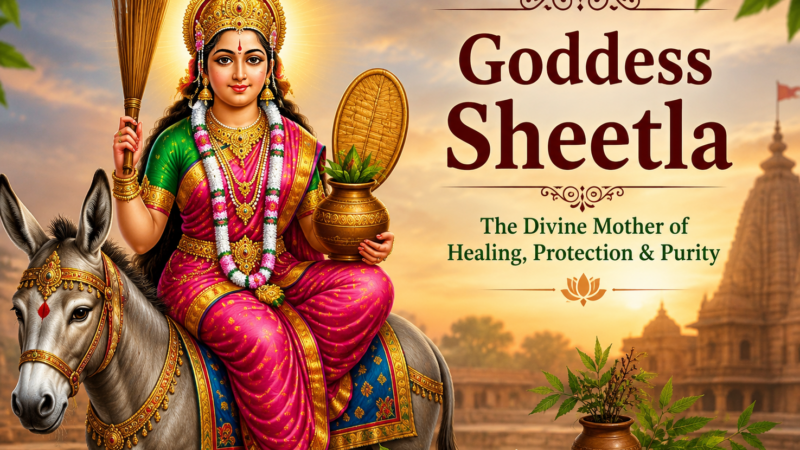
The synthesis of Shaktism with regional traditions is evident in South India, where goddesses like Amman embody Shakti’s presence. Celebrated as protectors and providers in local communities, these goddesses exemplify the integration of Shaktism into diverse cultural landscapes.
Smartism and Shakti
In the Smarta Advaita sect, Shakti is acknowledged as one of five equal forms of God in the panchadeva system advocated by Adi Shankara. Smartism, a movement rejecting theistic sectarianism, promotes domestic worship of five deities—Ganesha, Shiva, Shakti, Vishnu, and Surya. This tradition contrasts with the older Shrauta tradition, emphasizing elaborate rituals.
Shaktism’s Historical Significance
Shaktism’s historical significance is underscored by its presence in ancient times and its evolution within the diverse fabric of Hinduism. The Smarta tradition, encompassing Mimamsa, Advaita, Yoga, and theism, reflects a synthesis of key philosophical strands within Hinduism.
Conclusion
The essence of Shakti in Hinduism transcends time, weaving through ancient artifacts, diverse goddess worship, and philosophical traditions. Shaktism, with its focus on the dynamic feminine aspect of the Supreme Divine, continues to play a significant role in shaping the spiritual landscape of Hinduism. As a unifying force, Shakti brings together diverse manifestations, emphasizing the interconnectedness of the cosmos in the rich tapestry of Hindu theology.