Kali Puja: The Divine Night of Goddess Kali
Kali Puja, also known as Shyama Puja or Mahanisha Puja, is one of the most significant Hindu festivals dedicated to Goddess Kali, the powerful manifestation of the Divine Mother. Celebrated with immense devotion, particularly in West Bengal, Bangladesh, Assam, Tripura and Odisha, this sacred occasion honours the goddess who represents divine power, courage, protection and the destruction of evil.
Kali Puja takes place on the new moon night (Amavasya) of the Hindu lunar month of Kartik, generally in October or November. It coincides with the popular festival of Diwali, when millions of Hindus across India and other parts of the world illuminate their homes with lamps and celebrate the victory of light over darkness.
While Goddess Lakshmi is the principal deity worshipped on Diwali in many parts of India, devotees in Bengal and several eastern regions traditionally worship Goddess Kali on this auspicious night. The celebration is marked by elaborate Kali Puja arrangements, beautifully decorated temples, magnificent idols, devotional songs, offerings, lighting and community gatherings.
However, Kali Puja is much more than a religious celebration. It represents the eternal struggle between good and evil, ignorance and knowledge, fear and courage, and darkness and spiritual enlightenment. Through the worship of Maa Kali, devotees seek her blessings for protection, strength, wisdom and liberation.
This article explores the history, mythology, spiritual significance, rituals, traditions and cultural importance of Kali Puja.
1. Who Is Goddess Kali?
HT City Delhi Junction: Catch It Live on February 5 | Hindustan Timeshindustantimes.com
Goddess Kali is one of the most powerful and revered manifestations of Adi Shakti, the primordial feminine energy of the universe. She is worshipped as the Divine Mother who protects her devotees, destroys evil forces and guides human beings towards spiritual liberation.
The name Kali is commonly associated with the Sanskrit word Kala, which means time. It also carries associations with darkness and the eternal reality beyond ordinary human perception. Goddess Kali therefore represents the power of time, which creates, sustains and ultimately transforms everything in the universe.
In Hindu religious traditions, Kali is considered a manifestation of the supreme feminine power, known as Shakti. She is not simply a goddess of destruction; she also represents maternal love, compassion, protection and the ultimate truth.
Her fierce appearance symbolises her determination to eliminate negative forces. Her dark complexion represents the infinite nature of the universe, which contains and transcends all colours and forms.
Goddess Kali is commonly depicted with four arms. In her hands, she carries different symbolic objects, including a sword and a severed head, while her other hands offer blessings and protection. She is often shown wearing a garland of human heads and a skirt or belt of severed arms.
Although these images may appear frightening, their spiritual meanings are profound.
- The sword: Symbolises divine knowledge that destroys ignorance.
- The severed head: Represents the destruction of ego and false identification.
- The garland of heads: Is associated with the power of divine speech and the cycle of existence.
- Her dark complexion: Represents infinity, eternity and the cosmic reality.
- Her protruding tongue: Is traditionally associated with her realisation after stepping upon Lord Shiva.
- Her four arms: Represent her powers of protection, destruction, blessing and liberation.
- Her standing upon Lord Shiva: Symbolises the relationship between Shakti and Shiva, the dynamic energy and the absolute consciousness.
Goddess Kali is therefore worshipped not merely as a destroyer of evil but as the compassionate Mother who removes fear and guides her children towards truth.
2. History and Origin of Kali Puja
The worship of Goddess Kali has a long and fascinating history in Hindu religious traditions. Her presence can be traced through various Hindu scriptures, Tantric traditions and devotional literature.
Although the exact origin of Kali Puja as a widely celebrated annual festival is difficult to establish, the worship of Kali gradually developed into a significant religious and cultural tradition, particularly in Bengal.
Early traditions of Goddess Kali worship
Goddess Kali appears prominently in Hindu religious literature, especially in the Devi Mahatmya(Srimad Devi Bhagavatam), which forms part of the Markandeya Purana. The text describes the divine feminine power that destroys demonic forces and restores cosmic order.
Her association with fierce divine power became particularly important in Shakta traditions, where the Supreme Goddess is regarded as the ultimate reality.
Kali also became an important deity in various Tantric traditions. Her worship developed through specific spiritual practices, sacred mantras, meditation and ritual observances.
Over time, her worship spread beyond specialised religious communities and became an important part of household and public religious life.
Krishnananda Agamavagisha and the development of Kali worship in Bengal
Kali Puja 2022-Krishnananda Agambagish: কালী পুজোর প্রচলন এই তন্ত্রসাধকের হাত ধরেই, গড়েন মায়ের প্রথম মূর্তিও – Aaj Tak Banglabangla.aajtak.in
The sixteenth-century Bengali Tantric scholar Krishnananda Agamavagisha is traditionally associated with popularising a particular form of Goddess Kali worship in Bengal.
According to a popular Bengali tradition, Krishnananda once received divine inspiration to worship the goddess in a distinctive human-like form. This account is associated with the development of the familiar image of Dakshina Kali, in which the goddess stands upon Lord Shiva with her tongue extended.
His name is also associated with the Tantric religious literature and ritual traditions surrounding Kali worship.
However, historical accounts concerning the precise beginning of the festival and the role of individual religious figures vary. Therefore, the traditional account should be understood as an important part of Bengali religious heritage rather than an uncontested historical fact.
Raja Krishnachandra and the spread of Kali Puja
The eighteenth century witnessed a significant expansion of Kali worship in Bengal.
Raja Krishnachandra Roy of Nadia is frequently associated with encouraging and popularising Kali Puja. His patronage, along with the support of wealthy landowners and influential families, helped establish the festival as a major religious and cultural occasion.
Gradually, household worship expanded into larger community celebrations.
Local communities began organising elaborate pujas, constructing temporary shrines and arranging cultural programmes. In subsequent centuries, Kali Puja became deeply established in Bengali society.
Today, the festival is celebrated by millions of devotees in India, Bangladesh and Bengali communities around the world.
3. Mythological Stories Associated with Goddess Kali
Several fascinating stories in Hindu mythology explain the origin, powers and divine manifestations of Goddess Kali. These stories are not merely religious narratives; they also communicate profound spiritual lessons.
The birth of Goddess Kali and the destruction of Chanda and Munda
One of the most important accounts of Goddess Kali appears in the Devi Mahatmya.
According to the narrative, the gods were facing a powerful group of demons who threatened the cosmic order. Goddess Durga emerged as the supreme divine power to destroy these demonic forces.
During the fierce battle, two powerful demons named Chanda and Munda approached the goddess with their armies.
Seeing their aggression, a terrible and powerful form emerged from the forehead of Goddess Ambika. This divine manifestation was Goddess Kali.
She possessed a frightening appearance, dark complexion, dishevelled hair and extraordinary strength. With her weapons and immense power, she destroyed the demonic army and killed Chanda and Munda.
After defeating the two demons, she presented their heads to Goddess Ambika.
The goddess then named her Chamunda, combining the names of Chanda and Munda.
This story symbolises the victory of divine consciousness over arrogance, cruelty and destructive tendencies.
The destruction of Raktabija
Durga and Kali Annihilate Raktabija | Exotic India Artexoticindiaart.com
Another famous story describes Goddess Kali’s battle against the demon Raktabija.
According to the Devi Mahatmya, Raktabija possessed an extraordinary boon. Whenever a drop of his blood fell upon the ground, another demon identical to him emerged.
Consequently, every injury inflicted upon him increased the number of demons on the battlefield.
The gods became increasingly worried because ordinary attacks could not defeat him.
Goddess Kali appeared to assist the divine forces. She spread her enormous tongue and consumed the blood of Raktabija before it could touch the ground.
In this way, she prevented the creation of additional demons. Eventually, Raktabija was defeated.
This story carries a significant spiritual message. Negative tendencies can multiply when they are not controlled at their source. To overcome them, one must develop awareness, courage and determination.
Goddess Kali and Lord Shiva
Alipore jail museum exhibition to give a peek into babu culture | Kolkata News – The Times of Indiatimesofindia.indiatimes.com
One of the most familiar images of Goddess Kali shows her standing upon the chest of Lord Shiva.
According to a popular mythological account, after destroying powerful demons, Goddess Kali became overwhelmed by her battle fury. Her destructive dance threatened the stability of the universe.
The gods became concerned and requested Lord Shiva to calm her.
Lord Shiva lay down in her path. As Goddess Kali continued her dance, she unknowingly stepped upon his chest.
Realising that she had stepped upon her beloved consort, she became conscious of her actions and extended her tongue in astonishment and remorse.
This event is traditionally represented in the familiar Dakshina Kali image.
The story also has deeper philosophical interpretations. Shiva represents pure consciousness, while Kali represents the dynamic energy of creation and transformation.
Together, Shiva and Shakti symbolise the inseparable principles that sustain the universe.
4. When Is Kali Puja Celebrated?
Kali Puja is celebrated on the new moon night of Kartik, commonly known as Kartik Amavasya or Dipanwita Amavasya.
According to the Hindu lunar calendar, this occasion generally falls in October or November.
The exact date changes every year because Hindu festivals follow lunar calculations rather than fixed Gregorian calendar dates.
The principal worship of Goddess Kali is traditionally performed at night, often around the midnight period, according to the relevant regional religious calendar and prescribed muhurta.
In 2026, Kali Puja falls on Sunday, 8 November, according to the commonly followed Kolkata calendar. Devotees should consult their local panjika for the applicable timings because tithi and ritual timings can vary by geographical location. Bengali Calendar+1
Why is Kali Puja celebrated on Amavasya?
Amavasya is the new moon phase when the moon is not visible in the night sky.
In Hindu spiritual traditions, Amavasya is associated with several religious observances, prayers and rituals.
Kali Puja is performed on this darkest night because Goddess Kali symbolises the supreme divine power that removes ignorance, fear and negativity.
Her worship reminds devotees that even in the darkest moments of life, divine strength and spiritual wisdom can guide them towards a better path.
The darkness of Amavasya is therefore understood not simply as an absence of light but as an opportunity to recognise the eternal light of spiritual consciousness.
5. Why Is Kali Puja Celebrated on Diwali?
Kali Puja 2026 in CR Park — Night of the Dark Goddess | Chittaranjan Parkchittaranjanpark.com
Kali Puja and Diwali are celebrated on the same new moon night, but their principal religious observances differ across regions.
In many parts of northern, western and central India, Diwali is primarily associated with the worship of Goddess Lakshmi, the goddess of wealth, prosperity and good fortune.
In Bengal and several eastern regions, however, the same night is especially dedicated to Goddess Kali.
This difference reflects the strong influence of Shakta traditions in Bengali religious culture.
For Bengali Hindus, Kali is the compassionate Divine Mother who protects her devotees from evil forces and guides them through difficulties.
Although the principal deity may differ, both celebrations share important themes:
- Victory of good over evil.
- Removal of darkness and ignorance.
- Spiritual purification.
- Hope, prosperity and happiness.
- The importance of family and community.
- The triumph of divine power.
It is important to understand that Kali Puja and Diwali are not contradictory celebrations. They are different regional and religious expressions associated with the same auspicious lunar occasion.
Many Bengali families also worship Goddess Lakshmi during the Diwali period, and both forms of divine worship have their own importance.
The Indian Express has also discussed how regional traditions and the different forms of Goddess Kali contributed to Bengal’s distinctive celebration of the Diwali night. Research News – The Indian Express+2
6. Different Forms of Goddess Kali Worshipped by Devotees
Goddess Kali is worshipped in several forms throughout India. Each manifestation represents a particular aspect of divine power, protection and spiritual transformation.
Some of the most recognised forms include:
1. Dakshina Kali
4 Powerful Maa Kali Temples That Destroy Obstacles & Feartimeslife.com
Dakshina Kali is one of the most popular forms of Goddess Kali in Bengal. She is generally depicted with four arms, standing on Lord Shiva, wearing a garland of severed heads and holding a sword and a severed head.
Despite her fierce appearance, Dakshina Kali is worshipped as a compassionate mother who protects her devotees and grants spiritual blessings.
2. Mahakali
DIEUX ET DÉESSES | MALBAR.FR : N°1 DE L’HINDOUISME À LA RÉUNIONmalbar.fr
Mahakali represents the supreme and infinite power of the Divine Mother. She is associated with the eternal nature of time and the cosmic process of creation, preservation and destruction.
Her worship reminds devotees that all material existence is temporary, while the ultimate divine reality is eternal.
3. Smashana Kali
तंत्र की ‘शव-साधना’: मुर्दे पर बैठकर साधना करनेpauranik.org
Smashana Kali is associated with cremation grounds and the spiritual understanding of death and impermanence.
She represents the truth that every material form eventually disappears. Her worship is particularly important in certain Tantric traditions.
This form encourages devotees to overcome their fear of death and develop detachment from worldly attachments.
4. Bhadra Kali
Goddess Bhadrakali Worshipped by the Gods from a tantric Devi series | Smithsonian Institutionsi.edu
Bhadra Kali represents the protective and auspicious aspect of the Divine Mother. She is worshipped for courage, protection, well-being and the destruction of harmful forces.
Her name is associated with auspiciousness and divine welfare.
5. Tara Kali
Mahavidya Goddess Tara | Exotic India Artexoticindiaart.com
Goddess Tara is one of the ten Mahavidyas in Shakta traditions. She is associated with divine wisdom, protection and spiritual guidance.
Although Tara and Kali have distinct identities and iconographic traditions, they are closely related within the broader philosophy of Shaktism.
These different forms demonstrate the many dimensions of the Divine Mother. Whether worshipped as a fierce protector or a compassionate mother, the goddess represents the supreme power that guides devotees towards spiritual fulfilment.
7. Ten Mahavidyas and the Importance of Goddess Kali
The Ten Mahavidyas by David Kinsley | ILLUMINATIONmedium.com
In Shakta Hinduism, the ten Mahavidyas represent ten significant manifestations of the Divine Mother.
The word Mahavidya can be understood as great wisdom or great knowledge.
These ten manifestations are:
- Kali
- Tara
- Tripura Sundari (Shodashi)
- Bhuvaneshwari
- Bhairavi
- Chhinnamasta
- Dhumavati
- Bagalamukhi
- Matangi
- Kamala
Goddess Kali occupies a particularly important position in this tradition. She is frequently regarded as the primordial manifestation of divine power and the embodiment of time and ultimate reality.
The Mahavidya tradition teaches that the Divine Mother can manifest in different forms to reveal different aspects of spiritual truth.
These forms are not simply separate goddesses with unrelated powers. They represent different dimensions of the same supreme feminine energy.
8. Major Rituals and Traditions of Kali Puja
Devotion and reverence in focus at city’s Kali Pujos – The Times of Indiatimesofindia.indiatimes.com
Kali Puja is observed with great devotion and follows several traditional religious rituals. The exact procedures may differ according to regional customs, family traditions, temple practices and the particular form of Goddess Kali being worshipped.
In Bengal, the principal worship usually takes place at night.
Some important rituals and observances are described below.
1. Preparation and purification
Before the puja begins, devotees clean and decorate their homes, temples and surrounding areas.
The place of worship is carefully prepared. Flowers, incense, lamps, sacred vessels and other puja materials are arranged.
Devotees may take a bath and wear clean clothes before participating in the religious observance.
The purpose of these preparations is to create a peaceful and spiritually suitable environment for worship.
2. Installation of the idol
In community celebrations, beautifully crafted idols of Goddess Kali are installed in temporary pandals or permanent temples.
The goddess is generally represented in her familiar Dakshina Kali form.
Traditional clay idols are particularly popular in Bengal. Skilled artisans spend considerable time preparing the images, decorating them and giving them their distinctive appearance.
In household worship, some devotees use smaller idols, pictures or sacred representations of the goddess.
3. Sankalpa
Sankalpa is the formal expression of religious intention before beginning the puja.
The worshipper or priest makes a spiritual commitment to perform the worship with devotion and sincerity.
It establishes the purpose of the religious observance and invites the blessings of the Divine Mother.
4. Invocation of Goddess Kali
The priest invokes Goddess Kali through traditional mantras and prescribed rituals.
In many forms of worship, the goddess is ceremonially invited to receive the offerings and blessings of her devotees.
The invocation is an important part of the puja because it expresses the devotee’s spiritual connection with the Divine Mother.
5. Offering flowers and hibiscus
কালী কথাঃ সিমলাগড় কালী মন্দির, পাঁচশো বছর ধরে পূজিত হচ্ছেন দেবী – জিয়ো বাংলাjiyobangla.com
Red hibiscus is one of the most recognised flowers associated with Goddess Kali.
Devotees offer hibiscus flowers, garlands and other suitable flowers while chanting prayers and mantras.
The red colour is traditionally associated with Shakti, energy and divine power.
Flowers are offered as symbols of love, respect, purity and surrender.
6. Offering fruits and sweets
Devotees offer various fruits, sweets and traditional food preparations to Goddess Kali.
Common offerings may include bananas, coconuts, seasonal fruits, sweets and other vegetarian preparations.
The offerings are made with devotion and are later distributed among devotees as prasad.
Food offerings differ according to the religious tradition and the local customs of the worshipping community.
7. Mantra chanting and recitation
Mantra chanting is an important element of Kali Puja.
Devotees recite sacred mantras, hymns and prayers dedicated to the goddess.
A widely recognised Kali mantra is:
ॐ क्रीं कालिकायै नमः।
Om Krim Kalikayai Namah.
This mantra is traditionally chanted as an expression of devotion and reverence towards Goddess Kali.
Other prayers and hymns may also be recited depending on the tradition followed by the priest or devotee.
8. Lighting of lamps and incense
Kali Puja: Exploring the Night of Lights & Lorebiglive.com
Lighting lamps is an important feature of Kali Puja.
Devotees light earthen lamps, candles and other traditional forms of illumination in their homes and temples.
Incense is offered during the worship, filling the surroundings with a pleasant fragrance.
The lamps symbolise the victory of knowledge over ignorance and divine light over darkness.
9. Aarti
Aarti is performed with lamps accompanied by devotional songs, bells and prayers.
During this ritual, devotees express their gratitude and surrender to Goddess Kali.
The atmosphere becomes spiritually uplifting as worshippers sing hymns and chant the name of the Divine Mother.
10. Midnight worship
Kali Puja is traditionally a night-time religious observance.
The principal worship is often performed around midnight, according to the prescribed Nishita period and local panjika.
In many temples and community pandals, devotees remain awake throughout the night to participate in the worship, listen to devotional songs and receive blessings.
This nocturnal tradition gives Kali Puja its distinctive spiritual character.
11. Homa and other offerings
In many traditional forms of Kali Puja, a sacred fire ritual known as Homa or Havan is performed.
Offerings are made into the fire while priests recite prescribed mantras.
Certain Tantric traditions also prescribe specialised rituals. These practices are not universal and should not be confused with the ordinary household or community observances followed by most devotees.
12. Distribution of Prasad
After the worship, the offerings are distributed among devotees as prasad.
People receive the blessed food with respect and devotion.
In community celebrations, prasad distribution also becomes an opportunity for social interaction and togetherness.
9. Shyama Sangeet: The Devotional Music of Kali Puja
শ্যামা পূজা ও অষ্টকালীন লীলা কীর্তন অনুষ্ঠিত | The Asian Age Online, Bangladeshdailyasianage.com
Music occupies a special place in Bengali Kali worship.
One of the most beautiful traditions associated with Goddess Kali is Shyama Sangeet, a genre of Bengali devotional songs dedicated to the Divine Mother.
These songs express the emotional relationship between the goddess and her devotees.
Rather than describing Kali only as a powerful cosmic deity, Shyama Sangeet often portrays her as a loving mother who listens to the prayers, difficulties and suffering of her children.
Two famous devotional poets associated with this tradition are:
Ramprasad Sen: An eighteenth-century Bengali devotional poet whose songs express deep love, surrender and emotional attachment to Goddess Kali. His compositions occupy an important position in Bengali Shakta devotional culture.
Kamalakanta Bhattacharya: Another important Bengali poet and devotee of Goddess Kali. His devotional compositions explore the relationship between human life, suffering, divine grace and the compassionate Mother.
Their songs continue to inspire generations of devotees.
During Kali Puja, Shyama Sangeet is performed in temples, community pandals and households. These songs create a devotional atmosphere and strengthen the emotional connection between worshippers and the Divine Mother.
10. Kali Puja in West Bengal
Kali Puja – Bengali Diwali – See more 4 lessKali Puja in Kolkata | Top Kali Puja pandals and temples to visit in Kolkata in 2025 – Telegraph IndiaTraditional Kalighat Dala Puja – Bhakti Samarpan12
West Bengal is one of the most important centres of Kali Puja celebrations.
The festival is observed with tremendous enthusiasm in Kolkata, Nadia, Howrah, Hooghly, North 24 Parganas, South 24 Parganas and other districts.
Kolkata becomes particularly vibrant during the celebration. Thousands of devotees visit temples and beautifully decorated community pandals.
Several temples have special significance during this festival.
Dakshineswar Kali Temple: Located on the eastern bank of the Hooghly River, this famous temple is dedicated to Goddess Bhavatarini, a form of Goddess Kali. It is closely associated with the spiritual life of Sri Ramakrishna Paramahamsa.
Kalighat Kali Temple: One of the most famous Shakti pilgrimage sites in India, Kalighat attracts large numbers of devotees throughout the year, especially during important religious occasions.
Tarapith Temple: Located in Birbhum district, Tarapith is an important Shakta pilgrimage centre dedicated to Goddess Tara. Its religious traditions are closely associated with the wider Kali and Tantric traditions of Bengal.
In addition to temples, community organisations arrange elaborate pandals with artistic decorations, lighting and cultural programmes.
The celebration combines religious devotion with Bengali artistic expression.
11. Kali Puja in Bangladesh
File:Kali Puja 2023 Mulatol Rangpur.jpg – Wikimedia Commonscommons.wikimedia.org
Kali Puja holds an important place in the religious and cultural life of Hindu communities in Bangladesh.
The festival is celebrated in different parts of the country with devotion, traditional rituals and community gatherings.
Temples and local puja committees organise worship, install idols of Goddess Kali and arrange devotional programmes.
Dhaka, Chattogram, Khulna, Jashore, Barishal, Rajshahi, Sylhet and other regions witness Kali Puja celebrations.
In many areas, traditional family worship is also an important part of the occasion.
Devotees decorate their homes with lamps, offer flowers and sweets, recite prayers and participate in temple worship.
Kali Puja in rural Bangladesh
In rural areas, Kali Puja often carries a distinctive community character.
Local temples and neighbourhood organisations arrange the festival through collective participation.
Artisans prepare traditional clay idols, while local residents contribute towards decorations and arrangements.
The puja becomes an opportunity for neighbours, relatives and friends to come together.
In some places, fairs and cultural programmes are also organised around the festival.
These local celebrations help preserve traditional Bengali Hindu customs and pass religious heritage from one generation to another.
Kali Puja and social harmony
The festival also reflects the cultural diversity of Bangladesh.
People from different religious communities often participate in the social and cultural atmosphere surrounding local celebrations.
The values of mutual respect, peaceful coexistence and community cooperation make religious festivals meaningful beyond their immediate ritual significance.
Kali Puja is therefore not only an occasion for religious worship but also an expression of the cultural heritage of Bengali society.
12. Kali Puja and the Tradition of Lighting Diyas
Kali Puja Vidhi 2025: दिवाली की रात घर में ऐसे करें मां काली की पूजा, यहां देखें सरल पूजन विधिprabhatkhabar.com
Lighting earthen lamps is one of the most beautiful traditions associated with Kali Puja.
On the evening of the festival, devotees illuminate their homes, temples, courtyards and surrounding areas with diyas and candles.
Although Goddess Kali represents the power that destroys evil and ignorance, the lighting of lamps expresses the hope that divine knowledge will always overcome darkness.
In Bengal, the tradition of lighting lamps is closely connected with the broader celebration of Dipanwita Amavasya.
Many families decorate their entrances and places of worship with alpana, flowers and traditional decorations.
The illuminated surroundings create an atmosphere of joy, devotion and spiritual happiness.
For devotees, every lamp represents a prayer for peace, prosperity, protection and the well-being of their families.
13. Kali Puja and the Significance of Animal Sacrifice
Historically, certain Shakta and Tantric traditions have included animal sacrifice as part of particular forms of Goddess worship.
However, this practice is not universal, and many temples, households and religious communities follow entirely vegetarian forms of worship.
Fruits, sweets, coconuts and vegetables are offered as alternatives in numerous traditions. Some communities use symbolic offerings, such as pumpkins and gourds.
It is important to recognise that Hindu religious practices are diverse. Devotees follow different customs according to their beliefs, family traditions and regional practices.
The central purpose of Kali Puja is devotion to the Divine Mother, seeking her protection and cultivating spiritual strength.
14. The Spiritual Significance of Kali Puja
Goddess Kali: Myths and Meanings – Mythology Vaultmythologyvault.com
Kali Puja carries profound spiritual significance. The festival encourages devotees to look beyond the external appearance of the goddess and understand the deeper philosophical messages represented by her divine form.
Victory over evil
Goddess Kali is regarded as the destroyer of demonic forces.
Her stories teach that evil, arrogance, injustice and cruelty cannot ultimately prevail against divine righteousness.
The worship of Kali inspires devotees to oppose wrongdoing and follow the path of truth.
Destruction of ego
The severed head held by Goddess Kali is often interpreted as a symbol of the destruction of ego.
Human beings frequently become attached to wealth, power, social position and material achievements.
Such attachments can create arrogance and prevent spiritual development.
Kali Puja reminds devotees to overcome their ego and surrender themselves to divine wisdom.
Freedom from fear
Goddess Kali is worshipped as Abhaya Dayini, the giver of fearlessness.
Her divine protection encourages people to face difficult situations with courage and confidence.
The festival teaches that fear should not control human life. Faith, determination and moral strength can help individuals overcome challenges.
Understanding the temporary nature of life
The goddess is closely associated with time and transformation.
Everything in the material world undergoes change. Wealth, beauty, power and physical existence are temporary.
Kali Puja encourages devotees to understand this universal truth and develop a deeper connection with eternal spiritual reality.
The importance of Shakti
Kali represents the supreme feminine energy.
Her worship acknowledges the importance of Shakti as the fundamental power behind the functioning of the universe.
The festival also reminds society to respect feminine strength, dignity and the creative power of women.
The path towards moksha
In several Shakta and Tantric traditions, Goddess Kali is associated with spiritual liberation.
Through devotion, knowledge, meditation and self-realisation, devotees seek freedom from ignorance and the cycle of birth and death.
Thus, Kali Puja is not limited to material prosperity or worldly happiness. It also represents the aspiration for moksha.
15. Kali Puja and Environmental Awareness
Кали: богиня трансформации и времени в индуизме | MyMind.YOGAmymind.yoga
Religious festivals bring communities together, but their environmental impact also deserves attention.
Modern Kali Puja celebrations sometimes involve excessive plastic decorations, loud sound systems, artificial materials and fireworks.
Devotees and organisers can preserve the beauty of the festival while adopting environmentally responsible practices.
Some useful initiatives include:
- Choosing natural clay idols and environmentally appropriate paints.
- Avoiding single-use plastic decorations.
- Using reusable materials for pandal construction.
- Reducing excessive noise from loudspeakers and fireworks.
- Ensuring proper waste collection and disposal.
- Keeping rivers, ponds and other water bodies clean.
- Using traditional earthen lamps where appropriate.
- Supporting local artisans and traditional craftsmen.
These practices help protect nature while preserving the religious and cultural importance of Kali Puja.
The Divine Mother is also worshipped as a manifestation of the universal creative energy. Respecting nature and protecting the environment can therefore be understood as expressions of devotion.
16. Difference Between Kali Puja and Durga Puja
Ancient myths of Kaliganj’s Goddess Kali: Forgotten legends before Nawab Alivardi Khan’s reign – The Statesmanমা কালী নগ্ন কেন? জানুন কালী মায়ের রুপের তাৎপর্য | Here’s Why Goddess Kali Is Naked And Stands On Lord Shiva In Bengali – Bengali BoldSkyदक्षिणा कालिका: दक्षिण की शक्तिशाली और परिवर्तनकारी देवी7
Kali Puja and Durga Puja are two major Hindu festivals dedicated to different manifestations of the Divine Mother.
Although both are rooted in Shakta traditions, their timing, rituals and cultural expressions are different.
| Subject | Durga Puja | Kali Puja |
|---|---|---|
| Principal deity | Goddess Durga | Goddess Kali |
| Lunar occasion | Ashwin Shukla Paksha | Kartik Amavasya |
| Usual period | September–October | October–November |
| Main observance | Several days | Primarily one night |
| Principal worship | During the day and evening | Traditionally at night |
| Main significance | Victory over Mahishasura | Destruction of evil and ignorance |
| Popular regions | Bengal and many other parts of India | Particularly Bengal and eastern India |
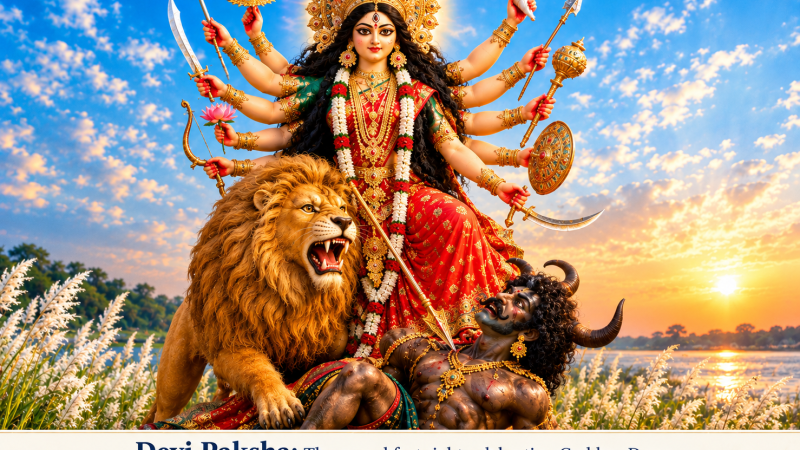
Durga Puja celebrates the victory of Goddess Durga over the buffalo demon Mahishasura.
Kali Puja, on the other hand, honours Goddess Kali as the supreme power that destroys negative forces and protects the universe.
Both festivals express the same fundamental spiritual message: divine power ultimately triumphs over evil.
17. Famous Temples Dedicated to Goddess Kali
8 Powerful Kali Temples In India That Radiate Fierce Shakti Energykalighat temple: কী মাহাত্ম্য কালীঘাট মন্দিরের? জানুন এই মন্দিরের দরজা কখন খোলেTarapith Temple – World History Encyclopedia4
Several important temples across India are dedicated to Goddess Kali and other manifestations of the Divine Mother.
These sacred places attract devotees throughout the year.
1. Dakshineswar Kali Temple
Located in Kolkata, this famous temple is dedicated to Goddess Bhavatarini. It is closely associated with Sri Ramakrishna Paramahamsa, whose spiritual experiences and devotion to the Divine Mother made the temple particularly famous.
2. Kalighat Kali Temple
Kalighat is one of the most significant Shakti pilgrimage sites in India. Devotees visit this historic temple to seek the blessings of Goddess Kali.
3. Tarapith Temple
Tarapith is a famous pilgrimage centre associated with Goddess Tara, an important manifestation of the Divine Mother in Shakta traditions.
4. Kamakhya Temple
Situated on Nilachal Hill, Kamakhya Temple is one of the most important Shakti pilgrimage centres in India. It is associated with the worship of the Divine Feminine and the sacred traditions of Shaktism.
These temples demonstrate the widespread importance of Shakti worship in different parts of the Indian subcontinent.
18. How Devotees Can Celebrate Kali Puja at Home
Not every devotee can visit a famous temple or participate in a large community celebration. Kali Puja can also be observed at home through simple devotional practices, according to one’s family tradition.
Some common ways to celebrate include:
- Clean the house and prepare a peaceful place for worship.
- Place an image or idol of Goddess Kali in the designated worship area.
- Decorate the altar with flowers, especially red hibiscus.
- Light traditional earthen lamps and incense.
- Offer fruits, sweets and other permissible offerings.
- Recite Kali mantras and devotional hymns.
- Read or listen to stories associated with the Divine Mother.
- Sing Shyama Sangeet or other devotional songs.
- Perform aarti with devotion.
- Distribute prasad among family members and visitors.
Devotees who follow elaborate traditional rituals may invite a qualified priest to conduct the puja.
Those who cannot perform the full ritual can simply offer their prayers with sincerity and devotion.
The most important aspect of worship is a pure heart and genuine faith in the Divine Mother.
19. Lessons We Can Learn from Goddess Kali
The divine personality of Goddess Kali offers several valuable lessons for modern society.
Courage: Her powerful form inspires people to confront difficulties instead of surrendering to fear.
Justice: Her destruction of demonic forces symbolises the importance of opposing injustice and wrongdoing.
Humility: The symbolism of her severed head reminds people to overcome arrogance and ego.
Detachment: Her association with time and death encourages people to understand the temporary nature of material possessions.
Compassion: Despite her fierce appearance, Kali is worshipped as a loving mother who protects her children.
Respect for women: Her supreme position as Adi Shakti reminds society of the importance of feminine power and dignity.
Spiritual awareness: Her worship encourages people to move beyond superficial appearances and seek deeper spiritual truth.
These teachings make Kali Puja relevant not only to religious life but also to personal development and social values.
20. Kali Puja: A Celebration of Faith, Devotion and Cultural Heritage
Kali Puja Puja Vidhi Significance | Temples.biotemples.bio
Kali Puja is one of the most beautiful expressions of Bengali Hindu religious and cultural heritage. It brings together mythology, spirituality, devotional music, traditional craftsmanship and community participation.
For devotees, Goddess Kali is not merely a powerful deity who destroys evil. She is the loving mother who protects her children, removes their fears and guides them through the difficulties of life.
Her fierce appearance represents the strength required to overcome negativity, while her maternal nature represents unconditional love and compassion.
The celebration also reminds us that darkness is never permanent. Just as a small lamp can illuminate a dark room, knowledge, courage and goodness can transform human life.
In a world facing numerous challenges, the spiritual teachings associated with Kali Puja remain meaningful. They inspire people to stand against injustice, overcome fear, respect feminine power and develop a deeper understanding of life.
Whether celebrated in a magnificent temple, a community pandal or a small household shrine, the central message remains the same: surrender to the Divine Mother with faith, devotion and a pure heart.
May Maa Kali bless everyone with courage, wisdom, happiness, prosperity and spiritual enlightenment.
Jai Maa Kali! Shubho Kali Puja!
21. Frequently Asked Questions (FAQs) About Kali Puja
1. What is Kali Puja?
Kali Puja is a major Hindu festival dedicated to Goddess Kali, the powerful manifestation of Adi Shakti. It is celebrated with particular enthusiasm in Bengal and other eastern regions of India.
2. When is Kali Puja celebrated?
Kali Puja is celebrated on Kartik Amavasya, the new moon night of the Hindu lunar month of Kartik, generally in October or November.
3. What is another name for Kali Puja?
Kali Puja is also known as Shyama Puja and Mahanisha Puja.
4. Why is Kali Puja celebrated at night?
The traditional worship of Goddess Kali is associated with the night, particularly the midnight period known as Nishita. The rituals follow the relevant lunar calendar and prescribed muhurta.
5. Is Kali Puja the same as Diwali?
Kali Puja and Diwali fall on the same new moon night. However, their principal religious observances differ. Goddess Kali is especially worshipped in Bengal, while Goddess Lakshmi is the principal deity of Diwali worship in many other regions.
6. Which flower is offered to Goddess Kali?
Red hibiscus is one of the most popular flowers offered to Goddess Kali. Devotees also offer other flowers according to their traditions.
7. Which mantra is associated with Goddess Kali?
One commonly recited mantra is:
Om Krim Kalikayai Namah.
8. Who popularised Kali Puja in Bengal?
Krishnananda Agamavagisha is traditionally associated with popularising a particular form of Kali worship in Bengal. Raja Krishnachandra Roy of Nadia is also associated with its wider expansion during the eighteenth century.
9. What is the significance of Goddess Kali standing on Lord Shiva?
This image represents the relationship between Shakti and Shiva. It is also associated with the traditional story in which Kali realises that she has stepped upon Lord Shiva and extends her tongue in astonishment.
10. Is Kali Puja celebrated in Bangladesh?
Yes. Hindu communities throughout Bangladesh celebrate Kali Puja with traditional worship, devotional programmes, temple celebrations and community gatherings.
11. What is Shyama Sangeet?
Shyama Sangeet is a genre of Bengali devotional music dedicated to Goddess Kali. Ramprasad Sen and Kamalakanta Bhattacharya are two famous poets associated with this tradition.
12. What does Goddess Kali symbolise?
Goddess Kali symbolises divine power, time, courage, protection, destruction of evil, freedom from fear and spiritual liberation.
References and Further Reading
The following sources provide historical, religious and cultural background for understanding Kali Puja and the traditions associated with Goddess Kali.
- Devi Mahatmya, Markandeya Purana — Mythological accounts of Goddess Kali, Chamunda and Raktabija.
- The Indian Express – Decoding Why Bengal Celebrates Kali on Diwali — Historical and cultural background.
- Media India Group – Decoding Kali Puja in Bengal — Regional traditions and the development of Kali worship.
- Ramakrishna Seminary – Simple Kali Puja — Traditional worship of Dakshina Kali.
- Census of India – District Census Handbook — Cultural and festival information.
- Indira Gandhi National Centre for the Arts – The History of Divali Festival — Historical descriptions of regional Diwali traditions.
*Related Article: Kali: The First Manifestation of Dasa Mahavidyas