Phalharini Kali Puja 2026: The Sacred Night of Maa Kali, Spiritual Liberation & Divine Blessings

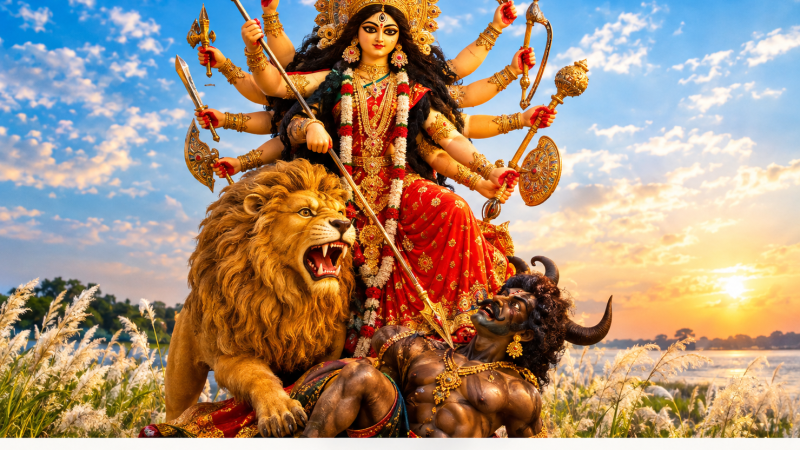
Phalharini Kali Puja is one of the most spiritually powerful festivals dedicated to Maa Kali, worshipped especially in Bengal and eastern India. Celebrated on the Amavasya (new moon night) of the Hindu month of Jyeshtha, this sacred puja symbolizes the destruction of sins, liberation from karma, and the compassionate motherly form of Goddess Kali.

Unlike the grand and widely celebrated Kali Puja during Diwali, Phalharini Kali Puja carries a deeply spiritual and tantric significance. Devotees observe fasting, offer fruits, chant mantras, and pray for purification of the soul and freedom from worldly suffering.
What Does “Phalharini” Mean?
The word Phalharini comes from Sanskrit:
- “Phala” = fruits or results of karma
- “Harini” = the remover
Thus, Phalharini Kali is “She who removes the fruits of one’s actions.” Devotees believe Maa Kali removes sins, negative karma, fear, ego, and obstacles from the lives of sincere worshippers.
This puja is considered extremely auspicious for:
- Spiritual purification
- Protection from evil energies
- Mental peace
- Success in life
- Liberation from past karma
The Spiritual Importance of Phalharini Kali Puja
According to Hindu spiritual traditions, this sacred night is highly favorable for meditation, tantra sadhana, mantra chanting, and inner transformation. Maa Kali is worshipped not only as the fierce destroyer of evil but also as the compassionate Divine Mother who grants liberation.
One of the most important historical events connected to this puja is the famous Shodashi Puja performed by Sri Ramakrishna Paramahamsa at Dakshineswar Kali Temple, where he worshipped Sarada Devi as the Divine Mother on Phalharini Kali Puja night. This event holds immense significance in modern Hindu spirituality.
Why Bengalis Celebrate Phalharini Kali Puja
In Bengal, Maa Kali is not merely a goddess of destruction — she is worshipped as a loving mother who protects her children from darkness and suffering.
During Phalharini Kali Puja:
- Homes and temples are decorated with lamps and flowers
- Devotees observe fasting
- Fruits and sweets are offered to Maa Kali
- Kali mantras and hymns are chanted throughout the night
- Tantric rituals are performed in some temples
Many devotees stay awake the entire night praying and meditating to receive the blessings of Maa Kali.
Rituals of Phalharini Kali Puja
1. Purification & Fasting
Devotees take a holy bath and maintain purity. Many observe a strict fast throughout the day.
2. Installation of Maa Kali
An idol or image of Goddess Kali is worshipped with devotion.
3. Offering Fruits & Sweets
Since the puja emphasizes simplicity and purity, fruits play an important role in offerings.
4. Chanting Kali Mantras
Popular chants include:
- “Jai Maa Kali”
- “Kreem Kalikayai Namah”
- Kali Chalisa and Kali Stotra recitations
5. Night-long Worship
The new moon night is considered spiritually charged, making meditation and worship highly beneficial.
Phalharini Kali Puja and Tantra
Phalharini Kali Puja is closely associated with tantric practices. In many Shakta traditions, this night is believed to possess immense spiritual energy.
However, the deeper essence of Tantra is not fear or mystery — it is self-realization, discipline, surrender to the Divine Mother, and transcendence of ego.
Spiritual seekers believe Maa Kali destroys:
- Ignorance
- Fear
- Attachment
- Ego
- Negative energies
And grants:
- Courage
- Wisdom
- Inner peace
- Spiritual awakening
Difference Between Kali Puja and Phalharini Kali Puja
| Kali Puja | Phalharini Kali Puja |
|---|---|
| Celebrated during Diwali | Celebrated in Jyeshtha month |
| Grand public celebrations | More spiritual and devotional |
| Fireworks and decorations common | Focus on fasting and purification |
| Popular nationwide | Especially significant in Bengal |
| Associated with prosperity and protection | Associated with liberation from karma |
Benefits of Worshipping Maa Kali on Phalharini Kali Puja
Devotees believe sincere worship on this sacred night can bring:
- Removal of negative karma
- Protection from enemies and evil
- Mental strength and courage
- Relief from fear and anxiety
- Spiritual growth
- Divine blessings for family welfare
Famous Temples for Phalharini Kali Puja
Some renowned temples where this puja is celebrated with great devotion include:
- Dakshineswar Kali Temple
- Kalighat Kali Temple
- Tarapith Temple
Conclusion
Phalharini Kali Puja is not merely a ritualistic festival — it is a sacred journey toward inner purification and spiritual awakening. Maa Kali, the compassionate Divine Mother, reminds devotees that darkness can always be transformed into light through devotion, surrender, and faith.
As devotees bow before Maa Kali on this powerful new moon night, they seek freedom from fear, suffering, and karma — embracing divine grace and spiritual liberation.
FAQs on Phalharini Kali Puja
1. What is Phalharini Kali Puja?
Phalharini Kali Puja is a Hindu festival dedicated to Goddess Kali, celebrated on the new moon night of Jyeshtha month for spiritual purification and removal of karma.
2. Why is Phalharini Kali Puja important?
It is believed that Maa Kali removes sins, negative karma, fear, and obstacles from devotees’ lives.
3. When is Phalharini Kali Puja celebrated?
It is observed annually on the Amavasya (new moon) of the Hindu month Jyeshtha, usually during May or June.
4. What are the main rituals of Phalharini Kali Puja?
Fasting, offering fruits, chanting Kali mantras, night worship, and meditation are the primary rituals.
5. Which temples are famous for Phalharini Kali Puja?
Dakshineswar Kali Temple, Kalighat Temple, and Tarapith Temple are among the most famous.