Apara Ekadashi: The Sacred Day of Limitless Blessings and Spiritual Cleansing
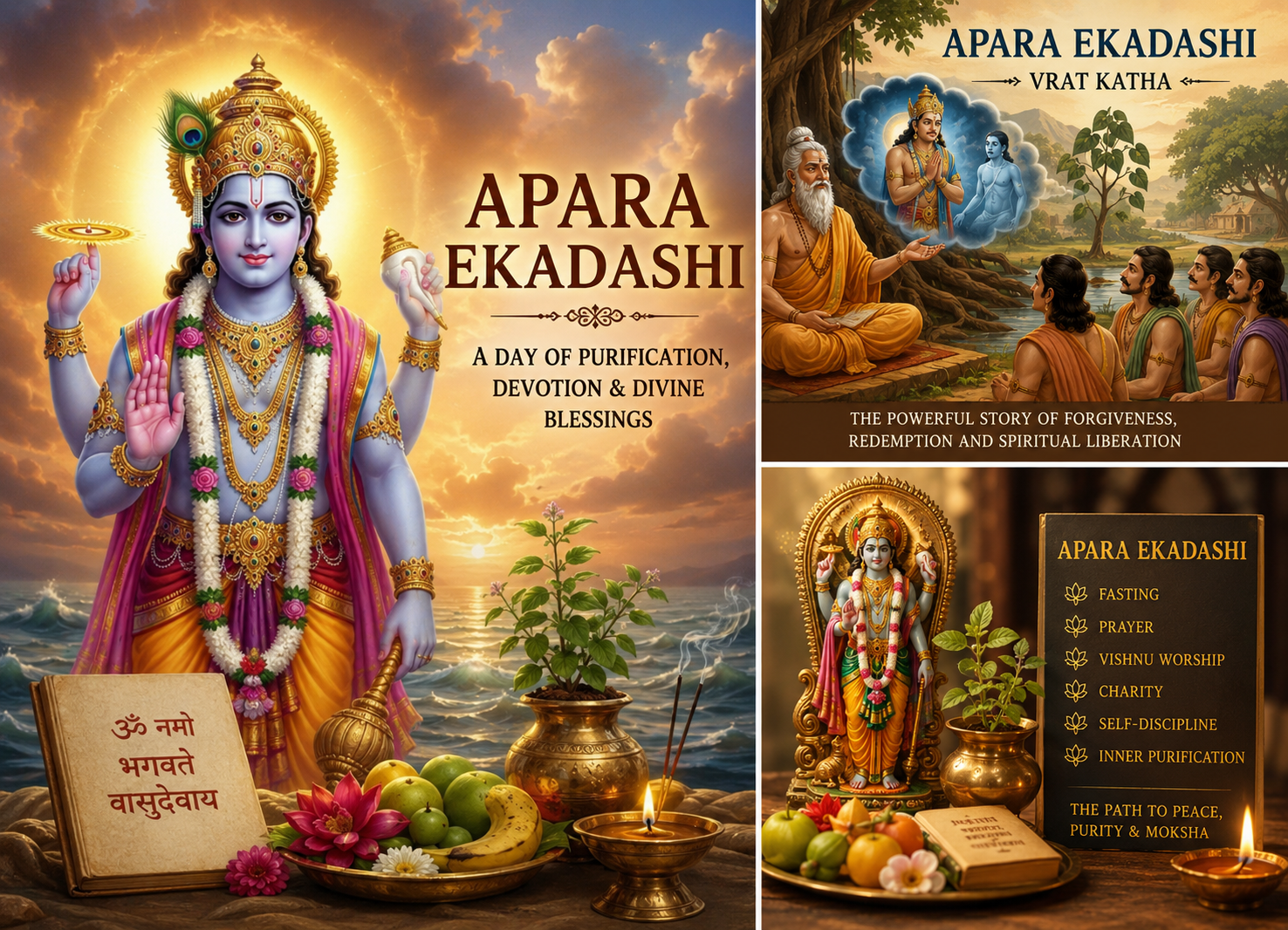
In the vast spiritual tradition of Sanatana Dharma, Ekadashi holds a deeply revered place among devotees of Lord Vishnu. Among the 24 Ekadashis observed throughout the year, Apara Ekadashi—also known as Achala Ekadashi—is considered one of the most spiritually powerful. The word “Apara” means limitless or boundless, symbolizing the immeasurable blessings believed to be granted to devotees who observe this sacred vrat with sincerity and devotion.
Observed during the Krishna Paksha (waning phase of the Moon) in the Hindu month of Jyeshtha, Apara Ekadashi is dedicated to Lord Vishnu, particularly in His divine forms of Trivikrama and Vamana Avatar. Devotees believe that fasting, prayer, charity, and spiritual discipline on this day help cleanse accumulated sins, purify the mind, and guide the soul toward liberation.
Why Apara Ekadashi Is Spiritually Important
Hindu scriptures such as the Brahma Purana and Padma Purana describe Apara Ekadashi as a vrat capable of removing even grave karmic burdens. Ancient traditions teach that observing this Ekadashi with faith can bestow spiritual merit equivalent to performing sacred pilgrimages and yajnas.
The spiritual significance of this Ekadashi goes beyond ritual fasting. It represents:
- Self-purification
- Repentance for past actions
- Discipline of body and mind
- Devotion to Lord Vishnu
- Inner peace and spiritual awakening
Modern devotees and spiritual communities often describe Apara Ekadashi as a day for becoming “lighter from inside,” focusing on emotional healing and spiritual clarity rather than material gain alone.
The Sacred Legend Behind Apara Ekadashi
According to traditional Ekadashi Katha narrated by Lord Krishna to Yudhishthira, there once lived a righteous king named Mahidhwaj. His younger brother, consumed by jealousy, murdered him and secretly buried his body beneath a peepal tree. Due to the violent nature of his death, the king’s soul wandered restlessly.
Years later, Sage Dhaumya discovered the suffering spirit through his spiritual vision. Instead of seeking revenge, the sage observed Apara Ekadashi vrat with full devotion and offered the spiritual merit of the fast for the liberation of the king’s soul. Through the power of the vrat, the spirit attained peace and freedom.
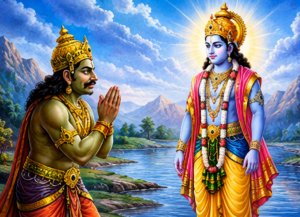
This powerful story reflects the deeper message of Apara Ekadashi:
forgiveness, redemption, and spiritual transformation.
Rituals and Puja Vidhi of Apara Ekadashi
Devotees usually begin preparations from Dashami Tithi, one day before Ekadashi. Scriptures recommend maintaining purity in food, thoughts, and conduct.
Common Rituals Observed
- Waking up before sunrise and taking a holy bath
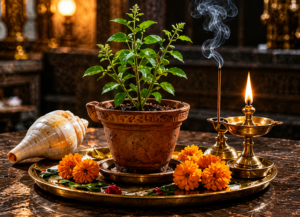
- Worshipping Lord Vishnu with Tulsi leaves, incense, flowers, and lamps
- Chanting Vishnu mantras and Vishnu Sahasranama
- Reading or listening to Apara Ekadashi Vrat Katha
- Avoiding grains, rice, onion, garlic, and tamasic food
- Practicing charity and helping the needy
- Spending the day in prayer, bhajans, and meditation
Many devotees also observe night vigil (Jagaran) by singing devotional songs and remembering the divine names of Vishnu.
Fasting Rules of Apara Ekadashi
Fasting styles may vary according to one’s health and spiritual practice:
- Nirjala Fast: No food or water
- Phalahar Fast: Fruits, milk, and sattvic foods allowed
- Simple Ekadashi Fast: Avoiding grains and heavy meals
Traditionally, the fast is broken on Dwadashi during the Parana period after sunrise. Scriptures emphasize that proper Parana is essential for completing the vrat.
Spiritual Benefits of Observing Apara Ekadashi
Devotees believe that observing Apara Ekadashi with sincerity can bring both spiritual and emotional transformation. Traditional beliefs associated with this vrat include:
- Removal of negative karma
- Mental peace and emotional balance
- Blessings of Lord Vishnu
- Prosperity and spiritual merit
- Protection from negativity
- Progress toward Moksha (liberation)
Many modern spiritual seekers also view Ekadashi fasting as a practice of mindfulness and self-discipline that helps calm the mind and strengthen devotion.
The Connection Between Apara Ekadashi and Vishnu Worship
Apara Ekadashi is especially significant for devotees of Lord Vishnu. On this sacred day, many worship His Vamana and Trivikrama forms, symbolizing humility, righteousness, and cosmic balance. Chanting the divine mantra:
“Om Namo Bhagavate Vasudevaya”
is considered highly auspicious during the vrat.
Tulsi leaves are also offered during puja, as they are considered extremely dear to Lord Vishnu in Hindu tradition.
A Timeless Message for Modern Life
In today’s fast-moving world filled with stress, distractions, and emotional burdens, Apara Ekadashi offers a timeless spiritual reminder:
true purification begins from within.
The vrat teaches discipline without harshness, devotion without pride, and forgiveness without conditions. Whether observed traditionally or spiritually, Apara Ekadashi inspires devotees to reflect upon their actions, let go of negativity, and reconnect with divine consciousness.
For millions of devotees across India and beyond, this sacred Ekadashi is not merely a ritual fast—it is a journey toward inner peace, self-control, and spiritual awakening.
Frequently Asked Questions (FAQs)
Q1. What is Apara Ekadashi?
Apara Ekadashi is a sacred Hindu fasting day dedicated to Lord Vishnu, observed during Krishna Paksha of Jyeshtha month.
Q2. Why is Apara Ekadashi important?
It is believed to cleanse sins, purify the mind, and grant spiritual merit and divine blessings.
Q3. What foods are avoided during Apara Ekadashi?
Devotees generally avoid grains, rice, onion, garlic, and tamasic foods.
Q4. Which deity is worshipped on Apara Ekadashi?
Lord Vishnu, especially in His Vamana and Trivikrama forms, is worshipped on this day.
Q5. What does the word “Apara” mean?
“Apara” means limitless or boundless, referring to the immense spiritual benefits associated with this vrat.