Vastu Tips for Home: A Complete Guide to Peace, Prosperity, and Positive Energy
A home is more than just a building. It is a place where families grow, dreams come true, and memories are created. According to Vastu Shastra, a home should also be a source of positive energy that supports health, happiness, wealth, and spiritual well-being.
Vastu Shastra is the ancient Indian science of architecture. It explains how the five natural elements—Earth, Water, Fire, Air, and Space—interact with our living environment. When these elements are balanced, they create harmony and prosperity.
Modern architects often combine Vastu principles with contemporary home designs. Whether you own a large house, a small apartment, or are planning a new home, following simple Vastu tips can help create a peaceful and balanced atmosphere.
In this guide, you will learn practical room-wise Vastu tips that are easy to understand and apply.
What Is Vastu Shastra?
The word Vastu means dwelling or building, while Shastra means science or knowledge. Together, Vastu Shastra refers to the traditional Indian science of designing homes and buildings in harmony with nature.
For thousands of years, Indian sages studied the relationship between nature and human life. They observed that the direction of sunlight, airflow, magnetic fields, and the arrangement of living spaces could influence a person’s physical and mental well-being.
Vastu does not rely on superstition. Instead, many of its principles are based on practical ideas such as natural lighting, ventilation, cleanliness, and balanced use of space.
The Five Elements of Vastu
Vastu Shastra is based on five fundamental elements of nature.
1. Earth (Prithvi)
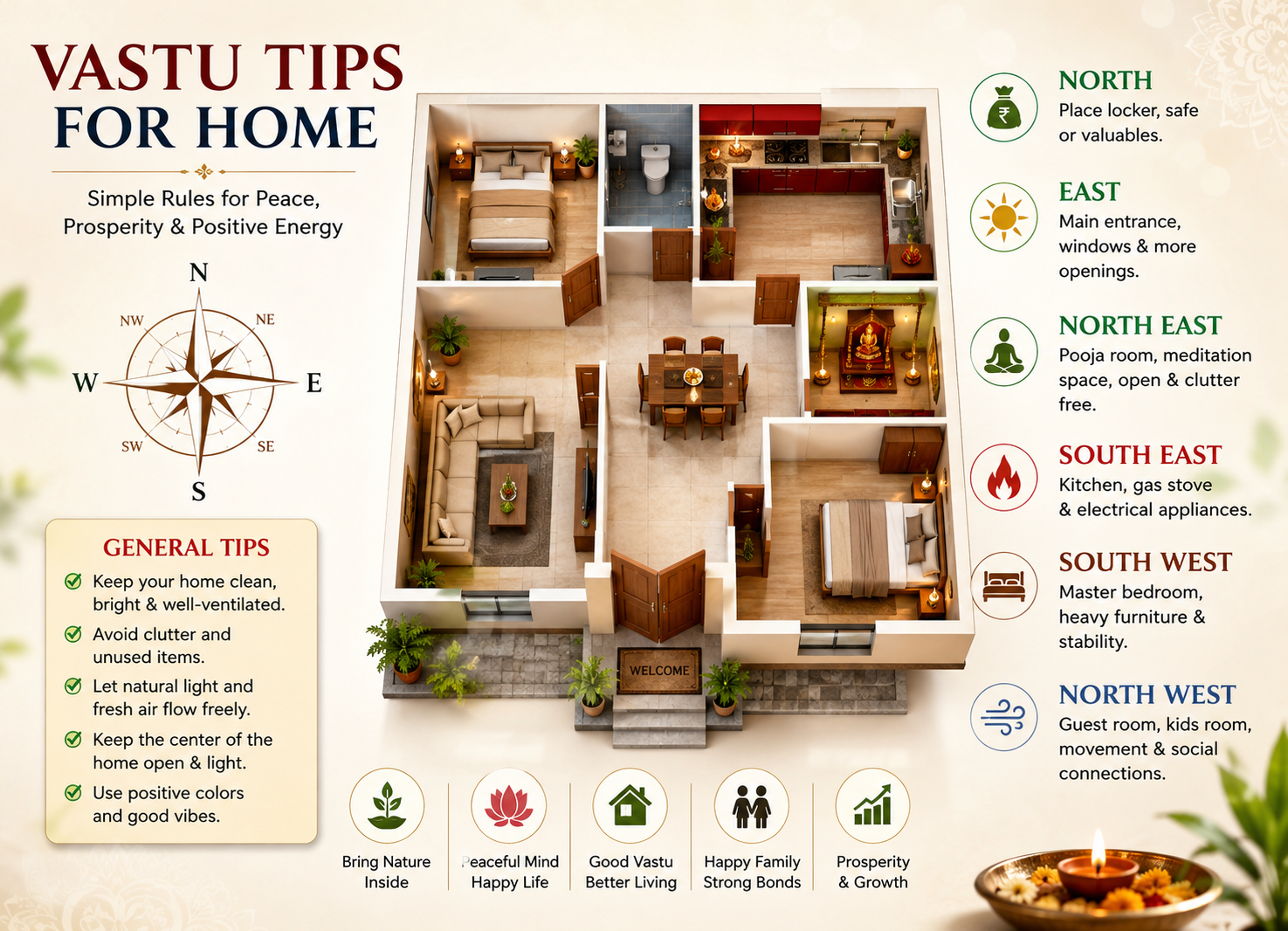
Earth represents stability, strength, and security. Heavy furniture and storage areas are generally recommended in the southwest part of the house.
2. Water (Jal)
Water symbolizes purity, peace, and prosperity. Water tanks, fountains, and underground water sources are usually considered favorable in the northeast direction.
3. Fire (Agni)
Fire represents energy, health, and transformation. Kitchens are ideally placed in the southeast, which is known as the Fire zone.
4. Air (Vayu)
Air signifies movement and communication. Proper ventilation and open windows improve airflow and bring freshness into the home.
5. Space (Akash)
Space represents openness, growth, and spiritual energy. Keeping the center of the house uncluttered allows energy to circulate freely.
Importance of Directions in Vastu
Directions play a major role in Vastu Shastra because they determine the flow of sunlight and natural energy.
North
Associated with wealth and career opportunities.
East
Represents new beginnings, health, and positive energy. Morning sunlight from the east is considered highly beneficial.
South
Represents stability and strength when used properly.
West
Associated with growth, learning, and long-term success.
Northeast
Known as the most sacred direction. It is ideal for prayer rooms and meditation spaces.
Southeast
Governed by the Fire element and considered the best location for kitchens.
Southwest
Represents stability and leadership. It is usually recommended for the master bedroom.
Northwest
Supports movement, travel, and social relationships.
General Vastu Tips for Every Home
Before focusing on individual rooms, follow these simple guidelines.
- Keep your home neat and clean.
- Remove broken furniture and unused items.
- Allow fresh air and natural sunlight to enter daily.
- Repair leaking taps and pipes quickly.
- Keep the entrance well-lit.
- Avoid excessive clutter.
- Grow healthy plants whenever possible.
- Maintain peaceful surroundings.
- Regularly clean your prayer area.
Even small changes can improve the overall atmosphere of your home.
Vastu Tips for the Main Entrance
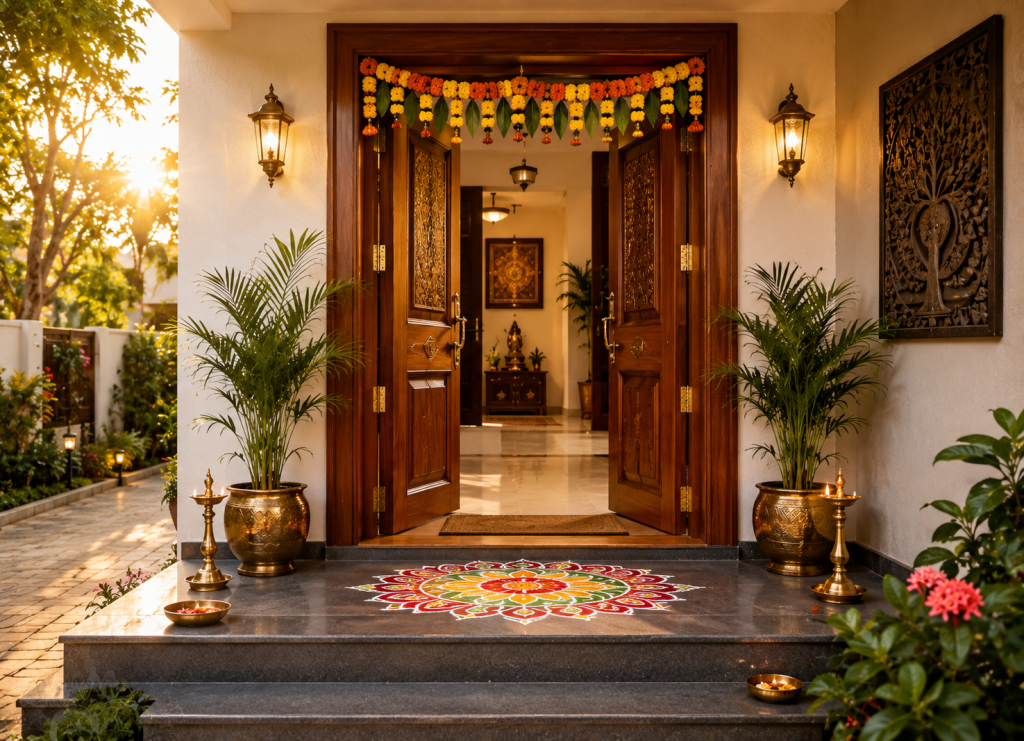
The main entrance is considered the gateway through which energy enters the house.
Best Directions
The most favorable directions generally include:
- North
- East
- Northeast
These directions receive good sunlight and are traditionally believed to attract positive energy.
Keep the Entrance Clean
A dirty entrance creates a poor first impression and may affect the overall appearance of your home. Sweep and clean the entrance regularly.
Ensure Good Lighting
A bright entrance feels welcoming. Install sufficient lighting near the main door.
Name Plate
Place a clean and attractive nameplate outside the entrance. It helps visitors identify the house and enhances the entrance’s appearance.
Wooden Door
A strong wooden main door is traditionally preferred because it symbolizes stability and security.
Avoid Obstructions
Large trees, broken poles, or piles of garbage directly in front of the entrance should be avoided whenever possible.
Vastu Tips for the Living Room
The living room is where family members spend time together and guests are welcomed.
Best Location
The northeast, north, or east portions of the home are generally considered suitable for the living room.
Seating Arrangement
The head of the family should ideally sit facing east or north during important discussions.
Furniture Placement
Heavy sofas and cabinets are usually placed toward the southwest or west walls.
Television Placement
Televisions and electronic devices are commonly placed in the southeast section of the living room.
Mirrors
Mirrors can make the room feel brighter and more spacious. They are often placed on north or east walls.
Colors
Soft and calming colors work best.
Popular choices include:
- White
- Light cream
- Beige
- Sky blue
- Light green
These colors create a peaceful environment.
Vastu Tips for the Kitchen
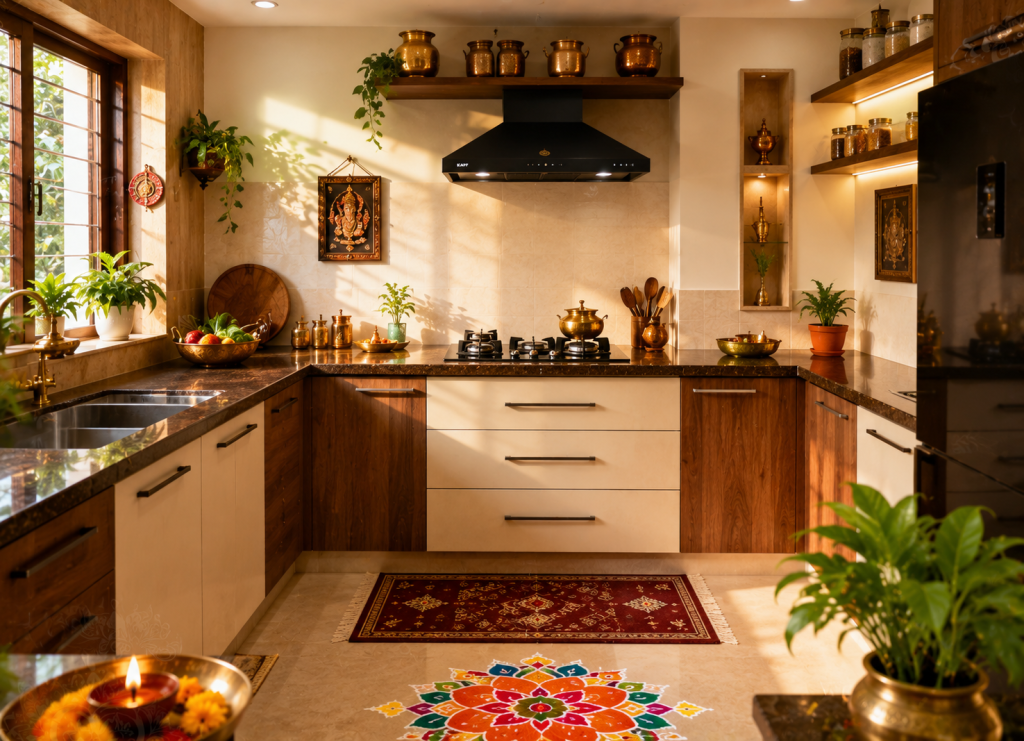
The kitchen is one of the most important rooms in Vastu because it represents the Fire element.
Best Direction
The southeast is traditionally regarded as the ideal location for a kitchen.
If this is not possible, the northwest is often considered an acceptable alternative.
Cooking Direction
The person cooking should preferably face east while preparing food.
Stove Placement
The gas stove should be positioned in the southeast part of the kitchen.
Sink Placement
The sink and water purifier should ideally be located in the northeast area of the kitchen.
Keeping fire and water elements separated is generally recommended.
Storage
Heavy storage cabinets can be placed toward the southwest.
Refrigerator
The refrigerator is commonly placed in the southwest, west, or south section.
Colors
Suitable kitchen colors include:
- Light yellow
- Orange
- Cream
- Light green
Very dark colors are generally avoided.
Importance of Natural Light
Sunlight plays an important role in Vastu as well as modern home design.
Natural light helps:
- Reduce dampness
- Improve air quality
- Make rooms brighter
- Save electricity
- Create a pleasant atmosphere
Open windows every morning whenever possible to allow fresh air and sunlight into your home.
Common Mistakes to Avoid
Many homeowners unknowingly make mistakes that reduce comfort and harmony.
Avoid these common issues:
- Cluttered entrances
- Broken clocks
- Dead plants
- Dirty prayer areas
- Poor ventilation
- Water leakage
- Excessive darkness
- Overcrowded rooms
- Unused junk stored for years
Maintaining cleanliness and organization often has a greater impact than expensive renovations.
Benefits of Following Vastu Tips
People follow Vastu because they believe it helps create a balanced and positive living environment. While beliefs and experiences vary, many homeowners appreciate Vastu for encouraging thoughtful home design and healthy habits.
Some commonly cited benefits include:
- A more peaceful home atmosphere
- Better use of natural light and ventilation
- Improved cleanliness and organization
- A sense of balance and harmony
- Comfortable living spaces
- Greater mental well-being
- A welcoming environment for family and guests
By combining traditional Vastu principles with practical home planning, you can create a space that feels comfortable, functional, and uplifting.
Vastu Tips for the Bedroom
The bedroom is a place of rest, relaxation, and emotional well-being. According to Vastu Shastra, the location and arrangement of the bedroom can influence the quality of sleep and overall comfort.
Best Location for the Master Bedroom
The southwest direction is traditionally considered the best location for the master bedroom. It symbolizes stability, strength, and long-term harmony.
For children or guests, the west or northwest rooms are often considered suitable.
Sleeping Direction
Sleeping direction is one of the most discussed aspects of Vastu.
- Head towards the South – Traditionally considered the best direction for restful sleep.
- Head towards the East – Believed to support learning, concentration, and positive energy.
- Avoid sleeping with the head towards the North, as traditional Vastu discourages this position.
Bed Placement
- Place the bed against a solid wall.
- Leave some space on both sides of the bed for easy movement.
- Avoid placing the bed directly under a ceiling beam if possible.
- Keep the center of the bedroom open and uncluttered.
Mirrors in the Bedroom
Large mirrors directly facing the bed are generally avoided in traditional Vastu. If a wardrobe has mirrors, many people prefer keeping them covered while sleeping.
Bedroom Colors
Choose soothing shades such as:
- White
- Light blue
- Cream
- Lavender
- Light green
- Soft pink
These colors create a calm and relaxing atmosphere.
Vastu Tips for the Pooja Room
The pooja room is one of the most sacred places in a Hindu home. It is meant for worship, meditation, and spiritual practice.
Best Direction
The northeast (Ishan corner) is widely regarded as the most auspicious location for a pooja room.
If a separate room is not available, choose a clean and quiet corner in the northeast part of the house.
Idol Placement
- Place idols and pictures on a clean platform.
- Avoid overcrowding the altar with too many idols.
- Keep damaged or broken idols separate according to your family traditions.
Worship Direction
Many traditions recommend facing east or north while praying.
Cleanliness
Always keep the pooja room:
- Dust-free
- Well-organized
- Fragrant
- Peaceful
Fresh flowers and a clean oil lamp can enhance the devotional atmosphere.
Vastu Tips for the Bathroom and Toilet
Bathrooms are essential parts of every modern home. Vastu emphasizes maintaining cleanliness and proper ventilation in these areas.
Ideal Location
Bathrooms are commonly recommended in the:
- Northwest
- West
depending on the house layout.
Ventilation
Good ventilation prevents moisture, unpleasant odors, and mold growth.
Keep:
- Windows open whenever possible.
- Exhaust fans working properly.
Keep It Dry
Repair leaking taps immediately.
Standing water should not remain inside the bathroom for long periods.
Colors
Light shades such as:
- White
- Light grey
- Beige
- Light blue
create a fresh and hygienic appearance.
Vastu Tips for the Dining Room
The dining room represents family unity and nourishment.
Best Location
The dining room is often placed near the kitchen for convenience.
East or west portions of the home are commonly preferred.
Dining Table
Choose a dining table with rounded or smooth edges whenever possible.
Keep the table clean and free from unnecessary items.
Lighting
Warm lighting creates a pleasant dining atmosphere.
Natural light during breakfast and lunch is an added advantage.
Vastu Tips for the Study Room
A good study room supports learning, concentration, and creativity.
Best Direction
The east or northeast part of the home is often recommended for study.
Study Direction
Students are commonly advised to face:
- East
- North
while studying.
Study Table
The table should be:
- Clean
- Organized
- Free from clutter
Only essential books and supplies should remain on the desk.
Lighting
Use both natural daylight and proper artificial lighting.
Avoid reading in dim light.
Vastu Tips for Children’s Room
Children need a cheerful and inspiring environment.
Best Location
The west or northwest direction is commonly suggested.
Colors
Bright but soft colors work well.
Examples include:
- Sky blue
- Light green
- Peach
- Yellow
- White
Organization
Teach children to keep:
- Books arranged
- Toys organized
- Study materials neat
A tidy room encourages discipline and focus.
Vastu Tips for the Staircase
The staircase connects different levels of the home.
Preferred Location
Many Vastu experts recommend placing staircases in the:
- South
- West
- Southwest
areas of the house.
Direction
A clockwise staircase while moving upward is traditionally considered favorable.
Safety
Regardless of Vastu, safety should always be the priority.
Ensure:
- Strong railings
- Proper lighting
- Non-slippery steps
Vastu Tips for Balconies
Balconies connect indoor living with nature.
Best Direction
East or north-facing balconies receive pleasant morning sunlight.
Plants
Healthy plants improve the appearance of the balcony.
Suitable choices include:
- Tulsi (Holy Basil)
- Jasmine
- Money Plant
- Aloe Vera
- Bamboo (grown responsibly in containers)
Remove dried leaves regularly.
Cleanliness
Avoid storing broken furniture or unused items on the balcony.
Windows and Ventilation
Fresh air is an important part of healthy living.
Allow Cross Ventilation
Open windows daily to allow fresh air inside.
Cross ventilation helps reduce humidity and improves indoor comfort.
Natural Sunlight
Morning sunlight helps brighten the home naturally.
It can also reduce dampness in many areas.
Curtains
Choose light-colored curtains that allow sunlight while maintaining privacy.
Indoor Plants According to Vastu
Plants bring freshness and beauty to a home.
Popular choices include:
Tulsi (Holy Basil)
One of the most respected plants in Hindu tradition.
Many families place Tulsi in the northeast or east part of the home.
Aloe Vera
Easy to maintain and attractive.
Jasmine
Known for its pleasant fragrance.
Money Plant
Often grown indoors in water or soil as an ornamental plant.
Regardless of Vastu beliefs, healthy plants improve indoor air quality and create a pleasant environment.
Home Décor Tips Based on Vastu
Simple decorative choices can enhance the overall appearance of your home.
Keep the Entrance Attractive
A clean entrance with decorative lighting creates a welcoming feeling.
Use Pleasant Fragrances
Natural incense, sandalwood, or fresh flowers can make the home feel more inviting.
Display Positive Artwork
Choose paintings or photographs that inspire peace, nature, family values, or spirituality.
Avoid Broken Decorative Items
Repair or replace damaged decorative objects whenever possible.
Vastu Tips for Small Apartments
Many people believe Vastu applies only to large houses. In reality, its principles can also be adapted to apartments.
Simple ideas include:
- Keep the entrance clean.
- Maximize natural light.
- Avoid unnecessary clutter.
- Maintain proper ventilation.
- Keep the pooja area clean.
- Organize furniture efficiently.
- Use light wall colors.
Even small improvements can make an apartment feel more spacious and comfortable.
Frequently Asked Questions (FAQs)
Can Vastu be followed in an apartment?
Yes. Many Vastu principles such as cleanliness, proper lighting, ventilation, and thoughtful room arrangement can be applied in apartments.
Is it necessary to rebuild a house to follow Vastu?
No. In many cases, simple changes like improving organization, enhancing natural light, or rearranging furniture are enough to better align with Vastu principles.
Which direction is considered best for the main entrance?
North, east, and northeast are traditionally regarded as favorable directions, although the ideal placement depends on the home’s overall layout.
Which room should be in the northeast?
The pooja room or a meditation space is commonly recommended for the northeast section of a home.
Is Vastu based on religion?
Vastu Shastra originated in ancient India and is closely associated with Hindu architectural traditions. However, many people appreciate its practical guidance on home planning, ventilation, sunlight, and organization regardless of their religious beliefs.
Vastu Tips for Wealth and Prosperity
Many people believe that Vastu Shastra can help create an environment that supports financial stability and abundance. While wealth depends on hard work, planning, and opportunity, Vastu emphasizes maintaining a clean, balanced, and organized home.
1. Keep the North Direction Clean
In traditional Vastu, the north is associated with prosperity and career growth. Keep this area well-lit, clutter-free, and organized.
2. Maintain a Bright Entrance
A clean and welcoming entrance creates a positive first impression and is believed to invite beneficial energy into the home.
3. Store Valuables Properly
Many Vastu practitioners recommend placing lockers or safes in the southwest part of the house so that they open toward the north or east.
4. Fix Water Leaks Immediately
Leaking taps and pipes waste water and may also create dampness and structural problems. Prompt repairs are practical for every home.
5. Avoid Unnecessary Clutter
Unused furniture, broken electronics, and piles of old newspapers can make a home feel crowded. Regular decluttering creates a cleaner and more comfortable living space.
Common Vastu Doshas and Practical Remedies
A Vastu Dosha refers to an imbalance or unfavorable arrangement according to Vastu principles. Not every home can be designed perfectly, especially apartments and older buildings. Fortunately, many situations can be improved with simple changes rather than expensive renovations.
1. Cluttered Entrance
Problem: The entrance is blocked by shoes, boxes, or unused items.
Remedy: Keep the entrance clean, organized, and well-lit.
2. Poor Ventilation
Problem: Rooms feel dark, humid, or stuffy.
Remedy: Open windows regularly, use exhaust fans where needed, and allow fresh air to circulate.
3. Broken Items
Problem: Broken clocks, cracked mirrors, damaged furniture, or faulty appliances remain unused for long periods.
Remedy: Repair, recycle, or replace damaged items to maintain a tidy environment.
4. Untidy Pooja Area
Problem: The prayer space is dusty or overcrowded.
Remedy: Clean it regularly and keep only the devotional items you use.
5. Water Leakage
Problem: Dripping taps or leaking pipes.
Remedy: Fix leaks promptly to prevent water damage and improve home maintenance.
Myths and Facts About Vastu
Many misconceptions surround Vastu Shastra. Understanding the difference between tradition and practical home design is important.
Myth 1: Every home without perfect Vastu will bring bad luck.
Fact: Millions of people live happily in homes that do not follow every traditional guideline. Good relationships, responsible financial planning, and healthy habits are equally important.
Myth 2: Vastu requires expensive renovations.
Fact: In many cases, small improvements such as better organization, cleanliness, and natural lighting are sufficient.
Myth 3: Vastu is only for large houses.
Fact: Apartments and small homes can also benefit from practical Vastu-inspired principles like proper ventilation and efficient use of space.
Myth 4: Vastu guarantees success.
Fact: Vastu is a traditional architectural system. Success depends on many factors, including education, effort, decision-making, and opportunity.
Daily Habits That Complement Vastu
Even if your home cannot follow every traditional recommendation, these simple habits can help maintain a pleasant living environment:
- Open windows every morning.
- Keep rooms clean and organized.
- Allow natural sunlight into the house.
- Water indoor and outdoor plants regularly.
- Remove unnecessary clutter.
- Repair damaged household items.
- Maintain a peaceful atmosphere.
- Keep the pooja room clean and tidy.
- Use energy-efficient lighting where possible.
- Practice gratitude and spend quality time with family.
Room-Wise Vastu Checklist
Use this quick checklist to review your home:
| Area | Recommended Practice |
|---|---|
| Main Entrance | Clean, bright, and free from obstructions |
| Living Room | Well-ventilated with light-colored décor |
| Kitchen | Organized with good separation of cooking and washing areas |
| Bedroom | Calm colors and clutter-free surroundings |
| Pooja Room | Quiet, clean, and ideally in the northeast |
| Bathroom | Dry, hygienic, and properly ventilated |
| Dining Room | Clean and comfortable for family meals |
| Study Room | Bright with minimal distractions |
| Balcony | Well-maintained with healthy plants |
| Entire Home | Good natural light, airflow, and regular cleaning |
Why Vastu Still Matters Today
Although Vastu Shastra originated thousands of years ago, many of its practical principles remain relevant in modern homes.
For example:
- Homes with good ventilation are generally more comfortable.
- Natural daylight reduces the need for artificial lighting.
- Organized spaces improve convenience.
- Green plants enhance the appearance of living areas.
- Clean surroundings promote a healthier lifestyle.
Whether someone follows Vastu for cultural, spiritual, or practical reasons, many of its recommendations encourage thoughtful home planning and maintenance.
Frequently Asked Questions (SEO FAQs)
What are the best Vastu tips for home?
Some widely followed tips include keeping the entrance clean, maximizing natural light, maintaining good ventilation, reducing clutter, placing the pooja room in the northeast when possible, and keeping the home organized.
Which direction is best for sleeping?
Traditional Vastu commonly recommends sleeping with the head toward the south or east.
Which direction is best for the kitchen?
The southeast is traditionally considered the preferred location because it is associated with the Fire element.
Which direction is best for the pooja room?
The northeast (Ishan corner) is widely regarded as the most auspicious location for a prayer or meditation space.
Does Vastu really work?
People hold different views. Some follow Vastu because of cultural and spiritual beliefs, while others value its practical emphasis on cleanliness, ventilation, sunlight, and efficient home design. There is no broad scientific consensus that Vastu itself causes specific life outcomes.
Can I follow Vastu in a rented apartment?
Yes. Simple practices such as keeping the home clean, improving organization, using natural light, and creating a peaceful prayer or meditation corner can be adopted without structural changes.
Conclusion
Vastu Shastra is an ancient Indian architectural tradition that seeks to harmonize living spaces with nature. While beliefs about its effects vary, many of its recommendations—such as maintaining cleanliness, ensuring good ventilation, maximizing natural light, and organizing living spaces—are practical and beneficial for everyday life.
Whether you are building a new house, renovating an old one, or living in a small apartment, you can incorporate simple Vastu-inspired ideas to create a home that feels peaceful, functional, and welcoming.
Ultimately, a happy home is built not only through design but also through kindness, mutual respect, healthy habits, and thoughtful living. By combining timeless Vastu principles with modern comfort and common sense, you can create a living space that supports both physical comfort and emotional well-being.