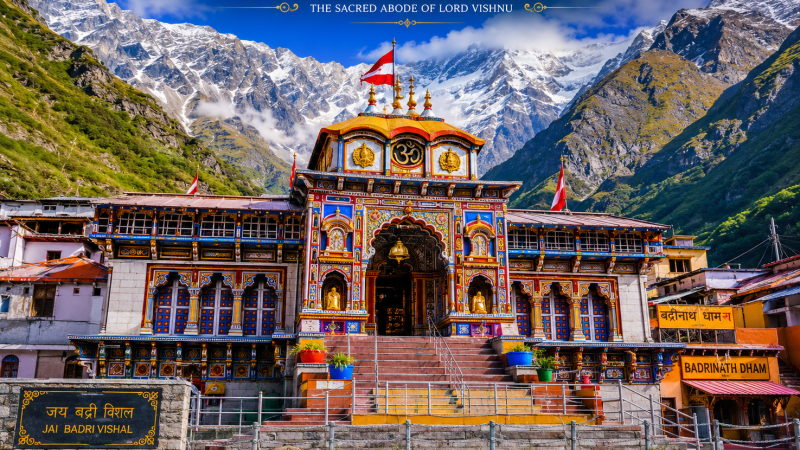
Tarakeshwar Pilgrimage: A Complete Guide for Shiva Devotees

The Tarakeshwar Pilgrimage is one of the most revered spiritual journeys for Lord Shiva devotees in eastern India. Every year, millions of pilgrims travel to the sacred town of Tarakeshwar in the Hooghly district of West Bengal to seek the blessings of Baba Taraknath, a revered form of Lord Shiva. The temple is especially crowded during the holy month of Shravan (Sawan), when devotees undertake a sacred journey carrying holy water to offer to the Shiva Linga.

For centuries, Tarakeshwar has been a symbol of unwavering faith, devotion, and divine grace. Pilgrims from West Bengal, Jharkhand, Odisha, Assam, Bihar, Bangladesh, and many other regions visit this holy shrine with prayers for health, prosperity, happiness, and spiritual liberation(Moksha).
The pilgrimage is not merely a religious journey—it is an experience that strengthens faith, teaches humility, and connects devotees with one of the most compassionate manifestations of Lord Shiva.
In this guide, you will discover the history of the temple, the fascinating legends associated with Baba Taraknath, and the spiritual importance that has made Tarakeshwar one of the most beloved Shiva pilgrimage destinations in India.
What Is the Tarakeshwar Pilgrimage?
The Tarakeshwar Pilgrimage refers to the sacred journey undertaken by devotees to visit the Tarakeshwar Temple, dedicated to Lord Taraknath (Shiva). Pilgrims travel from near and far to offer prayers, perform rituals, and seek blessings.
The pilgrimage reaches its peak during the month of Shravan, when thousands of devotees carry holy water collected from the River Ganga. Many pilgrims walk barefoot for long distances while chanting:
“Bol Bam!”
“Har Har Mahadev!”
“Baba Taraknath Ki Jai!”
The journey represents surrender, devotion, and self-discipline. Carrying sacred water and offering it to the Shiva Linga is believed to cleanse one’s sins and fulfill heartfelt wishes.
Many devotees also undertake the pilgrimage during Mahashivaratri, Mondays of Shravan, Chaitra Sankranti, and other auspicious occasions dedicated to Lord Shiva.
Where Is Tarakeshwar Temple Located?
Tarakeshwar is situated in the Hooghly district of West Bengal, approximately 60 kilometers from Kolkata. Thanks to its excellent railway and road connectivity, the temple attracts pilgrims throughout the year.
The peaceful town transforms into a vibrant spiritual destination during major festivals. Streets become filled with devotional songs, saffron-clad pilgrims, flower vendors, and the fragrance of incense and sacred offerings.
The temple complex serves as the spiritual heart of the town, drawing visitors seeking both religious fulfillment and inner peace.
The History of Tarakeshwar Temple
The history of Tarakeshwar Temple dates back to the early eighteenth century. According to historical records, the present temple was established around 1729 CE by Raja Bharamalla, a local ruler. Although the current structure belongs to the eighteenth century, devotees believe that the sacred Shiva Linga itself is much older.
Over the years, the temple became an important center of Shaivism in Bengal. Kings, landlords, saints, monks, and ordinary devotees contributed to its development and preservation.
During the nineteenth century, Tarakeshwar emerged as one of the busiest pilgrimage destinations in eastern India. Pilgrims arrived on foot, by bullock carts, and later by trains after railway connectivity improved.
Even today, despite modern transportation, countless devotees continue the traditional practice of walking long distances as an offering of devotion to Lord Shiva.
The temple has survived political changes, natural disasters, and the passage of time while continuing to inspire millions with its sacred atmosphere.
The Legend of Baba Taraknath
Like many ancient Hindu temples, Tarakeshwar is surrounded by fascinating legends that deepen its spiritual significance.
According to one popular tradition, a cow belonging to a local herdsman mysteriously released milk every day over a particular spot in the forest. Curious villagers investigated and discovered a naturally manifested (Swayambhu) Shiva Linga beneath the ground.
Recognizing the site’s extraordinary sanctity, local rulers built a temple to honor Lord Shiva. The deity came to be worshipped as Baba Taraknath, meaning “Lord Shiva, the Deliverer.”
Another legend speaks of a spiritually enlightened ascetic who experienced divine visions at the site and recognized the presence of Lord Shiva. Word of these miracles spread rapidly, attracting devotees from distant regions.
Whether viewed historically or through sacred tradition, these legends reflect a common belief: Lord Shiva Himself chose Tarakeshwar as a place where sincere devotees could receive His blessings.
Why Is Lord Shiva Worshipped as Taraknath?
The name “Taraknath” carries profound spiritual meaning.
The Sanskrit word “Taraka” means “one who helps cross over.” In Hindu philosophy, it refers to the Divine who helps devotees cross the endless ocean of worldly suffering, ignorance, and the cycle of birth and death.
“Nath” means Lord or Protector.
Thus, Taraknath signifies “The Lord Who Grants Liberation.”
Devotees believe that Baba Taraknath protects those who approach Him with sincere faith. Many worshippers visit the temple praying for:
- Good health
- Family harmony
- Success in life
- Relief from difficulties
- Peace of mind
- Spiritual progress
- Divine blessings
Many also believe that heartfelt prayers offered to Baba Taraknath are answered through His compassion and grace.
Spiritual Significance of the Tarakeshwar Pilgrimage
The Tarakeshwar Pilgrimage is much more than a physical journey. It represents an inner transformation.
A Journey of Faith
Walking long distances while chanting the holy name of Shiva strengthens devotion and reminds pilgrims that spiritual growth often requires patience, discipline, and perseverance.
Offering Holy Water
One of the most important rituals involves offering sacred Ganga water to the Shiva Linga. Water symbolizes purity, surrender, and the devotee’s heartfelt devotion.
The act expresses gratitude and complete submission to Lord Shiva.
Practicing Self-Discipline
Many pilgrims observe fasting, avoid luxurious comforts, maintain purity in thought and conduct, and dedicate themselves to prayer throughout the journey.
These practices cultivate self-control and spiritual awareness.
Seeking Lord Shiva’s Blessings
Devotees believe Baba Taraknath grants strength to overcome life’s challenges and blesses sincere worshippers with courage, wisdom, and inner peace.
Many families continue the pilgrimage generation after generation, making it an important spiritual tradition passed down through the years.
Importance During the Holy Month of Shravan
The month of Shravan (Sawan) is considered especially sacred for the worship of Lord Shiva.
According to Hindu tradition, this is a highly auspicious period for offering water, milk, Bilva leaves, flowers, and prayers to Shiva. During this month, Tarakeshwar witnesses an extraordinary influx of pilgrims.
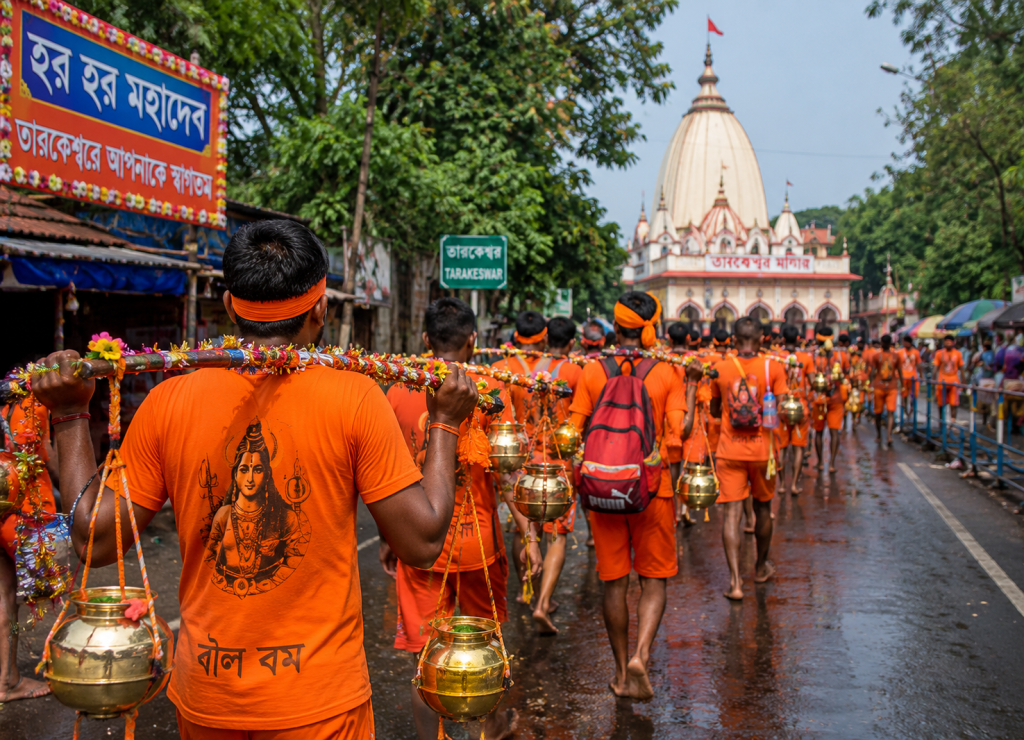
Many devotees collect holy water from the River Ganga and walk several kilometers carrying decorated bamboo poles known as Kanwars. They avoid placing the sacred water on the ground until it is offered to Baba Taraknath.
The atmosphere during Shravan is deeply devotional. Roads echo with chants of “Har Har Mahadev,” while volunteers provide drinking water, food, medical assistance, and resting places for pilgrims.
The collective spirit of devotion transforms the pilgrimage into a memorable spiritual experience that inspires faith and unity among people from diverse backgrounds.
The Enduring Appeal of Tarakeshwar
Despite changing times, Tarakeshwar continues to inspire millions because it offers something beyond ritual worship. It provides a space where devotees can disconnect from everyday worries and reconnect with their spiritual values.
Whether one comes seeking divine blessings, inner peace, or simply a moment of quiet reflection, the temple offers an atmosphere filled with reverence and hope.
For countless devotees, the journey to Baba Taraknath is not merely a tradition—it is a heartfelt expression of faith that continues to enrich lives across generations.
Sacred Rituals Performed at Tarakeshwar Temple
The worship of Baba Taraknath follows traditional Shaiva customs that have been observed for generations. Every ritual performed in the temple symbolizes devotion, purity, and surrender to Lord Shiva. While priests conduct the daily worship according to temple traditions, devotees also participate by offering sacred items and praying with deep faith.
Jalabhishek (Offering Holy Water)
The most important ritual is Jalabhishek, the ceremonial pouring of holy water over the Shiva Linga. Devotees believe this sacred offering pleases Lord Shiva and brings peace, prosperity, and spiritual blessings.
During the holy month of Shravan, millions of pilgrims carry Ganga water from various ghats and walk barefoot to Tarakeshwar. The water is carefully preserved throughout the journey and finally offered to Baba Taraknath with prayers and chants of “Har Har Mahadev!”
Offering Bilva (Bel) Leaves
Bilva leaves are among the most sacred offerings to Lord Shiva. According to Hindu scriptures, the three leaflets of the Bilva leaf represent various divine concepts, including Lord Shiva’s three eyes and the three fundamental cosmic qualities.
Devotees carefully place fresh Bilva leaves on the Shiva Linga while chanting Shiva mantras.
Milk, Honey, and Other Sacred Offerings
Besides water, many devotees offer:
- Milk
- Honey
- Yogurt
- Ghee
- Sugar
- Sandalwood paste
- Flowers
- Fruits
- Dhatura flowers and fruits
- Bhang leaves (where traditionally permitted)
These offerings symbolize devotion rather than material value. Hindu philosophy teaches that sincere faith is more important than expensive gifts.
Daily Worship Schedule
Although timings may vary slightly on festivals and special occasions, the temple generally follows a structured daily routine that includes:
- Opening of the temple before sunrise
- Mangala Aarti (Morning Worship)
- Abhishek of Baba Taraknath
- General Darshan for devotees
- Midday Bhog (Food Offering)
- Afternoon Darshan
- Evening Aarti
- Closing rituals at night
During Shravan and Mahashivaratri, the temple often remains open for extended hours to accommodate the enormous number of pilgrims.
The Holy Shravan Pilgrimage
The Shravan month is undoubtedly the most significant period for the Tarakeshwar Pilgrimage.
This sacred month, usually falling between July and August, is dedicated entirely to Lord Shiva. Throughout India, millions of devotees observe fasting, perform Shiva Puja, and visit Shiva temples.
At Tarakeshwar, Shravan transforms the town into a vast spiritual gathering.
Roads become filled with saffron-clad pilgrims carrying Kanwars decorated with colorful cloth, flowers, flags, and bells. The air resonates with devotional songs, conch shells, temple bells, and continuous chants praising Lord Shiva.
For many devotees, completing the Shravan pilgrimage is considered one of the greatest acts of devotion in their lifetime.
The Kanwar Yatra to Tarakeshwar
One of the most remarkable aspects of the Tarakeshwar pilgrimage is the Kanwar Yatra.
A Kanwar is a bamboo pole carried on the shoulders with two containers hanging from either end. These containers hold holy water collected from the River Ganga.
Pilgrims usually collect water from sacred ghats such as Sheoraphuli, though other ghats are also used. After collecting the water, they begin their journey on foot toward Tarakeshwar Temple.
Many devotees observe strict spiritual discipline during this journey by:
- Walking barefoot
- Wearing saffron clothing
- Maintaining personal purity
- Avoiding intoxicants
- Chanting Lord Shiva’s name continuously
- Sleeping on the ground or in temporary camps
- Following a vegetarian diet
Many also take a vow not to place the Kanwar on the ground until the sacred water has been offered to Baba Taraknath.
The journey is physically demanding but spiritually uplifting, reminding pilgrims that perseverance and faith go hand in hand.
Festivals Celebrated at Tarakeshwar
Although the temple remains busy throughout the year, several festivals attract exceptionally large gatherings.
Mahashivaratri
Mahashivaratri is the grandest celebration at Tarakeshwar Temple. Thousands of devotees observe fasting throughout the day and night before offering prayers to Lord Shiva.
Special Abhishek ceremonies, devotional singing, and night-long worship make this festival one of the most spiritually significant occasions.
Shravan Mondays
Every Monday during the month of Shravan is considered highly auspicious.
Lakhs of devotees visit the temple on these days, often standing in long queues for several hours to receive the blessings of Baba Taraknath.
Chaitra Sankranti
This festival also attracts a large number of pilgrims who come to seek divine blessings before the Bengali New Year.
Other Festivals
The temple also witnesses increased pilgrim activity during:
- Pradosh Vrat
- Kartik month
- Somvati Amavasya
- Bengali New Year
- Various Shiva-related festivals throughout the year
How to Reach Tarakeshwar
One of the reasons for Tarakeshwar’s popularity is its excellent connectivity.
By Train
The easiest and most convenient option is by train.
Tarakeshwar Railway Station is well connected with Howrah Junction through regular suburban train services. The temple is located only a short distance from the station and can easily be reached on foot or by local transport.
This is the preferred travel option for most pilgrims visiting from Kolkata and nearby districts.
By Road
Tarakeshwar is also accessible by road through a network of state highways and local roads.
Regular buses operate from:
- Kolkata
- Howrah
- Hooghly
- Chandannagar
- Serampore
- Arambagh
- Bardhaman
- Other nearby towns
Private taxis and self-drive vehicles are also popular options.
By Air
The nearest airport is Netaji Subhas Chandra Bose International Airport in Kolkata.
From the airport, visitors can reach Tarakeshwar by taxi or travel to Howrah Railway Station and continue by train.
Best Time to Visit Tarakeshwar
Although devotees visit throughout the year, some seasons provide a better experience depending on personal preferences.
Shravan (July–August)
Best for: Spiritual atmosphere and traditional pilgrimage.
Pros:
- Grand religious celebrations
- Kanwar Yatra experience
- Thousands of devotees
- Vibrant devotional environment
Cons:
- Extremely crowded
- Longer waiting time
- Heavy monsoon rainfall
Mahashivaratri
Ideal for devotees wishing to experience one of the holiest nights dedicated to Lord Shiva.
Winter (October–February)
Winter offers pleasant weather and comparatively lighter crowds, making it ideal for families, elderly devotees, and tourists interested in peaceful darshan.
Temple Etiquette
Visitors are encouraged to respect the temple’s sacred traditions.
Some useful guidelines include:
- Dress modestly.
- Remove footwear before entering the temple.
- Maintain silence and respect during worship.
- Avoid pushing in queues.
- Follow instructions issued by temple authorities.
- Keep the temple premises clean.
- Avoid plastic waste whenever possible.
- Respect fellow pilgrims regardless of age or background.
Following these simple practices helps preserve the spiritual atmosphere of the temple.
Nearby Attractions
A visit to Tarakeshwar can be combined with several nearby places of religious and historical interest.
Dashghara Rajbari
An old zamindar palace known for its beautiful architecture and historical significance.
Hooghly Imambara
A magnificent Islamic monument showcasing impressive craftsmanship and historical heritage.
Bandel Church
One of the oldest Christian churches in India, admired for its architecture and peaceful surroundings.
Chandannagar
A former French settlement famous for its riverside promenade, colonial buildings, museums, and cultural heritage.
These destinations provide an opportunity to explore the rich religious and historical diversity of the Hooghly district.
Accommodation Near Tarakeshwar Temple
Since Tarakeshwar is one of the most visited pilgrimage destinations in eastern India, devotees can find accommodation to suit different budgets.
Dharamshalas
Many pilgrims prefer staying in dharamshalas (pilgrim rest houses). These provide simple, affordable lodging close to the temple. Some are managed by religious trusts and charitable organizations.
Budget Hotels
Several budget hotels and guest houses are available within walking distance or a short ride from the temple. These usually offer basic facilities such as clean rooms, attached bathrooms, and dining options.
Mid-range Hotels
Visitors seeking more comfort can choose mid-range hotels in Tarakeshwar or nearby towns. Booking in advance is highly recommended during Shravan, Mahashivaratri, and major festivals because rooms fill up quickly.
Food for Pilgrims
Tarakeshwar offers a variety of vegetarian food suitable for pilgrims.
Popular items include:
- Khichuri
- Rice and dal
- Vegetable curry
- Luchi and aloo dum
- Kachori
- Sweets such as rasgulla and sandesh
- Fresh fruits
- Tea and snacks
During the Shravan pilgrimage, many charitable organizations (often called seva camps) distribute free drinking water, sherbet, fruits, and simple meals to devotees. These acts of service reflect the Hindu value of seva, or selfless service.
As a visitor, it is advisable to drink clean water, eat freshly prepared food, and help keep the temple area clean by disposing of waste responsibly.
Shopping Around Tarakeshwar
The streets surrounding the temple are lined with shops selling religious and local items.
Common purchases include:
- Rudraksha malas
- Bilva leaves
- Incense sticks
- Brass puja utensils
- Images of Lord Shiva
- Tridents (Trishul)
- Prayer books
- Holy ash (Vibhuti)
- Small Shiva Lingas
- Bengali sweets and local souvenirs
Buying from local vendors also supports the livelihoods of families who depend on pilgrimage tourism.
Useful Tips for First-Time Pilgrims
If you are visiting Tarakeshwar for the first time, a little preparation can make your journey more comfortable and spiritually fulfilling.
Plan Your Visit
If you prefer a peaceful darshan, avoid the busiest Shravan Mondays unless you specifically wish to experience the grand pilgrimage atmosphere.
Wear Comfortable Clothing
Choose light, modest clothing suitable for the season. Comfortable footwear is useful while traveling, though shoes must be removed before entering the temple.
Carry Essentials
Bring:
- Drinking water
- A small towel
- Necessary medicines
- Umbrella or raincoat during the monsoon
- Mobile charger or power bank
- Cash for offerings and local purchases
Respect Temple Rules
Follow the directions of temple staff and volunteers. Maintain discipline while standing in queues and avoid rushing during darshan.
Protect the Environment
Use dustbins whenever possible and avoid plastic waste. Keeping the holy town clean is a meaningful way to show respect for the sacred place.
Why Millions Continue This Pilgrimage
The popularity of Tarakeshwar has continued for centuries because it offers much more than a visit to an ancient temple.
For many devotees, the pilgrimage represents:
- A journey of faith
- A prayer for family well-being
- Gratitude for blessings received
- Hope during difficult times
- Spiritual purification
- Inner peace and self-reflection
Walking long distances while chanting the name of Lord Shiva creates a sense of devotion and unity that many pilgrims describe as life-changing.
Whether the journey is made alone, with family, or in groups, it becomes an experience remembered for years.
Frequently Asked Questions (FAQs)
Is Tarakeshwar Temple dedicated to Lord Shiva?
Yes. The temple is dedicated to Baba Taraknath, a revered form of Lord Shiva and one of the most worshipped Shiva deities in West Bengal.
When is the best time to visit Tarakeshwar?
The most spiritually significant time is during Shravan (Sawan) and Mahashivaratri. For a quieter visit with pleasant weather, October to February is ideal.
Can photography be done inside the temple?
Photography and videography may be restricted within the temple premises. Visitors should always follow the instructions of the temple authorities.
Is the temple suitable for senior citizens?
Yes. However, during major festivals the crowds can be extremely large. Elderly visitors may find weekdays outside festival seasons more comfortable.
How far is Tarakeshwar from Kolkata?
Tarakeshwar is approximately 60 kilometres from Kolkata and is easily accessible by regular suburban trains and road transport.
Is there a dress code?
There is no strict dress code, but modest and respectful attire is recommended while visiting the temple.
Can families visit together?
Absolutely. The temple welcomes devotees of all ages, and many families make the pilgrimage together every year.
The Spiritual Message of Tarakeshwar
Lord Shiva is often described as Ashutosh, the One who is easily pleased by sincere devotion. At Tarakeshwar, this belief comes alive through the prayers, chants, and unwavering faith of millions of devotees.
The pilgrimage teaches that true worship is not measured by wealth or elaborate rituals but by humility, honesty, compassion, and devotion. Every step taken toward the temple reminds pilgrims that spiritual progress begins with faith and is strengthened by righteous actions.
The sacred atmosphere of Tarakeshwar continues to inspire people from different regions, languages, and backgrounds, bringing them together in a shared expression of devotion to Lord Shiva.
Conclusion
The Tarakeshwar Pilgrimage is one of the most cherished spiritual traditions in eastern India. Centered around the sacred shrine of Baba Taraknath, it combines centuries of history, enduring legends, and profound religious significance.
Whether you visit during the vibrant celebrations of Shravan, the holy night of Mahashivaratri, or on a peaceful day during the winter months, the temple offers an opportunity to experience devotion, tranquility, and spiritual renewal.
Beyond its rituals and festivals, Tarakeshwar reminds us of timeless values—faith, perseverance, compassion, and surrender to the Divine. For countless devotees, every journey to Baba Taraknath is not simply a pilgrimage but a deeply personal step toward inner peace and a stronger connection with Lord Shiva.
If you are planning a spiritual journey in West Bengal, a visit to Tarakeshwar deserves a place on your itinerary. May Baba Taraknath bless all devotees with good health, wisdom, prosperity, and the strength to walk the path of righteousness.