Kashi Vishwanath Temple Tour: The Complete Travel Guide to the Eternal City of Lord Shiva
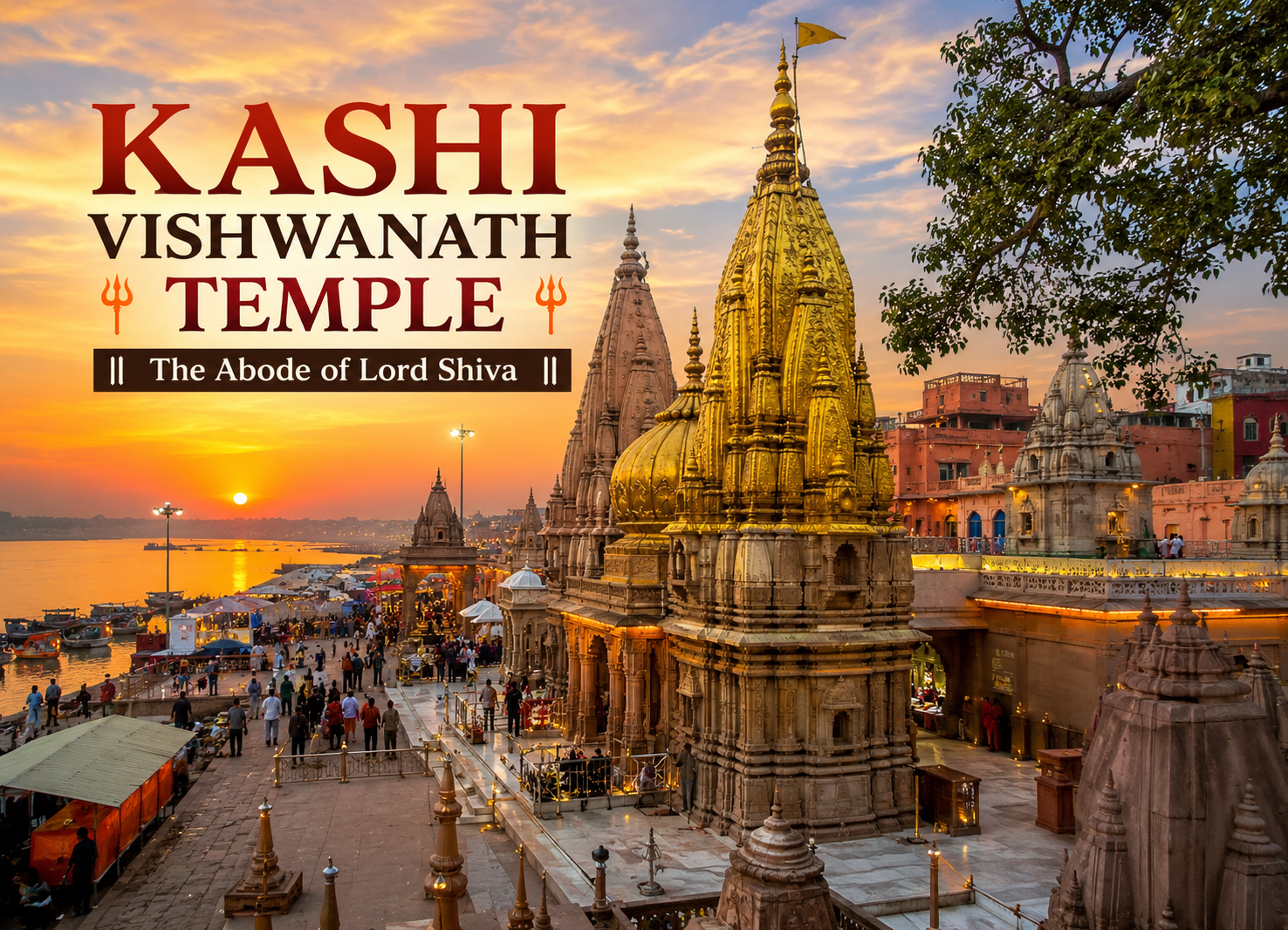
“Kashi is not just a city—it is an experience that touches the soul.”
Imagine standing on the sacred banks of the River Ganga as the first rays of the sun illuminate centuries-old ghats. Temple bells ring in every direction. Priests chant ancient Vedic hymns while devotees whisper “Har Har Mahadev.” The fragrance of sandalwood and incense fills the air. This is not merely a destination—it is Kashi, one of the world’s oldest continuously inhabited cities.
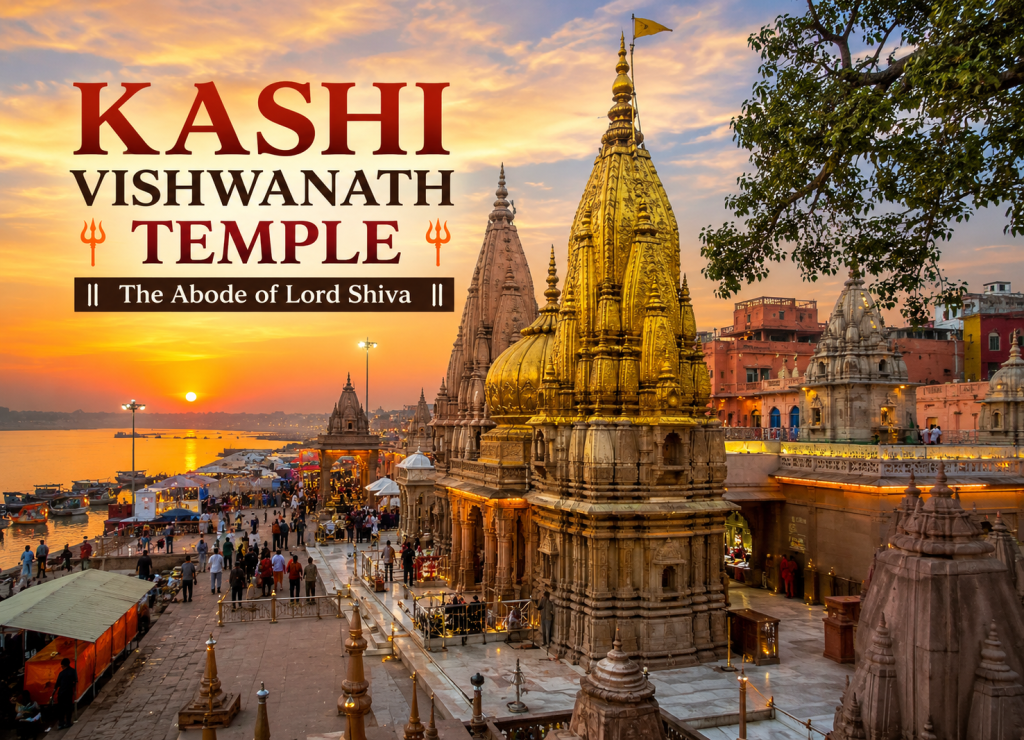
At the heart of this sacred city stands the magnificent Kashi Vishwanath Temple, one of the 12 Jyotirlingas of Lord Shiva. Every year millions of pilgrims, spiritual seekers, photographers, historians, and travelers visit this temple to experience its divine atmosphere.
Whether you are planning your first pilgrimage or creating your dream Varanasi itinerary, this comprehensive travel guide covers everything—from history and darshan to local food, nearby attractions, travel tips, and the best experiences that make Kashi unforgettable.
Why Visit Kashi Vishwanath Temple?
There are countless temples in India, but Kashi Vishwanath occupies a unique place in Hindu tradition.
According to ancient beliefs, Lord Shiva himself chose Kashi as His eternal abode. Devotees believe that visiting this sacred temple and praying with devotion brings inner peace, spiritual blessings, and liberation from the cycle of birth and death.
Beyond its religious significance, the temple is also an architectural marvel and a cultural landmark that reflects thousands of years of Indian civilization.
Today, thanks to the grand Kashi Vishwanath Corridor, visitors can comfortably move between the temple and the holy Ganga Ghats.
History of Kashi Vishwanath Temple
The history of Kashi Vishwanath Temple spans several thousand years.
Ancient scriptures such as the Skanda Purana describe Kashi as one of the holiest places on Earth. Over the centuries the temple experienced destruction and reconstruction multiple times due to invasions.
The present temple was rebuilt in 1780 by the great Maratha queen Ahilyabai Holkar.
Later, Maharaja Ranjit Singh donated nearly one ton of gold to cover the temple’s magnificent domes, giving the shrine its famous golden appearance.
In recent years, the temple complex has undergone remarkable transformation through the construction of the Kashi Vishwanath Corridor, making access easier while preserving the spiritual heritage of the site.
The Spiritual Importance of the Jyotirlinga
The Shiva Lingam worshipped here is one of the twelve Jyotirlingas.
According to Hindu tradition, a Jyotirlinga represents the infinite cosmic light of Lord Shiva.
Among all Jyotirlingas, Kashi Vishwanath is often considered one of the most spiritually powerful because Kashi itself is believed to be the city of liberation (Moksha).
Many devotees dream of visiting at least once in their lifetime.
Best Time to Visit Kashi Vishwanath Temple
Choosing the right season makes your journey more enjoyable.
October to March
This is the ideal season.
The weather remains cool and comfortable for sightseeing, temple visits, boat rides, and exploring the old city.
July to September
The monsoon transforms Varanasi into a lush green city.
Although occasional rains may interrupt travel, the Ganga looks especially beautiful.
April to June
Summers can be extremely hot.
If you visit during this season, plan darshan early in the morning.
How to Reach Kashi Vishwanath Temple
By Air
The nearest airport is Lal Bahadur Shastri International Airport, approximately 25 km from the temple.
Taxis, app-based cabs, and buses are easily available.
By Train
Varanasi Junction and Banaras Railway Station connect the city with almost every major Indian destination.
By Road
Excellent highways connect Varanasi with Lucknow, Prayagraj, Patna, Ayodhya, and other cities.
Luxury buses and private taxis operate regularly.
First Impressions of the Temple
As you approach the temple, narrow lanes suddenly open into the magnificent Vishwanath Corridor.
The atmosphere changes instantly.
Devotees chant “Har Har Mahadev.”
Temple bells echo continuously.
The golden spire shines brilliantly under the sunlight.
Security arrangements are efficient, and volunteers guide visitors politely.
Every step feels like walking through living history.
Darshan Experience
The darshan is peaceful yet emotionally powerful.
When you finally stand before Lord Vishwanath, time almost seems to stop.
Many visitors describe this moment as deeply emotional.
The chants, the lamps, and the fragrance of flowers create an unforgettable spiritual experience.
If you visit during weekdays and early morning hours, the waiting time is generally shorter.
Kashi Vishwanath Corridor
One of the biggest transformations in recent years is the spectacular Vishwanath Corridor.
The corridor connects the temple directly with Lalita Ghat on the River Ganga.
Wide walkways
Beautiful sandstone architecture
Pilgrim facilities
Resting areas
Drinking water
Information centers
Cultural spaces
The corridor has significantly improved crowd management while maintaining the sacred atmosphere.
Ganga Aarti – A Divine Evening
No Kashi tour is complete without witnessing the mesmerizing Ganga Aarti at Dashashwamedh Ghat.
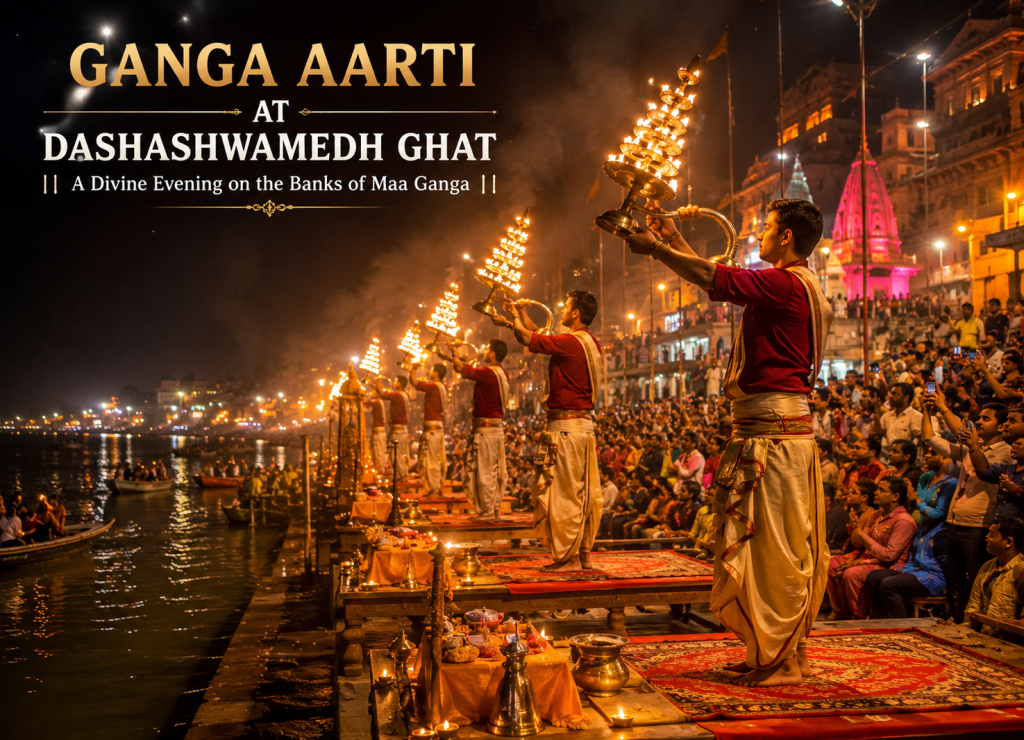
As the sun sets, priests dressed in traditional attire perform synchronized rituals using massive lamps.
The sound of conch shells fills the air.
Thousands of diyas float gently on the Ganga.
Watching the ceremony from a boat creates an unforgettable memory.
This experience alone makes the journey worthwhile.
Sunrise Boat Ride
Wake up before dawn.
Hire a wooden boat.
Watch the city slowly awaken.
Pilgrims take holy dips.
Students practice classical music.
Priests perform rituals.
The golden sunrise reflects across the Ganga.
Photographers often consider this one of India’s most magical experiences.
Places to Visit Near Kashi Vishwanath Temple
Dashashwamedh Ghat
The most famous ghat in Varanasi.
Perfect for evening Aarti and boat rides.
Manikarnika Ghat
Manikarnika Ghat is one of Hinduism’s most sacred cremation ghats.
Visitors should maintain silence and respect local customs.
Assi Ghat
Popular among tourists, students, and yoga enthusiasts.
Morning yoga sessions attract visitors from around the world.
Sankat Mochan Hanuman Temple
Dedicated to Lord Hanuman.
Known for peaceful surroundings.
Durga Temple
Recognized by its striking red architecture.
A major attraction for devotees.
Bharat Mata Temple
Unlike traditional temples, it houses a marble relief map of India.
Ramnagar Fort
Located across the Ganga.
Ideal for history lovers.
Local Food You Must Try
A trip to Banaras is incomplete without tasting its famous cuisine.
Try:
Kachori Sabzi
Tamatar Chaat
Baati Chokha
Banarasi Lassi
Malaiyyo (winter specialty)
Banarasi Paan
Rabri
Jalebi
Street food lovers will find endless delicious options throughout the old city.
Shopping in Varanasi
Popular souvenirs include:
Banarasi Silk Sarees
Wooden handicrafts
Brass idols
Rudraksha malas
Copper utensils
Handmade incense
Temple souvenirs
Traditional paintings
Suggested One-Day Itinerary
5:30 AM – Sunrise boat ride
7:00 AM – Kashi Vishwanath Darshan
9:00 AM – Traditional Banarasi breakfast
11:00 AM – Explore Vishwanath Corridor
1:00 PM – Local lunch
3:00 PM – Visit nearby temples
5:30 PM – Dashashwamedh Ghat
6:45 PM – Ganga Aarti
8:00 PM – Street food and shopping
Travel Tips
Dress modestly.
Carry valid identification.
Avoid carrying prohibited electronic items if restrictions apply.
Wear comfortable footwear.
Stay hydrated.
Keep cash for small purchases.
Respect temple traditions.
Follow security instructions.
Visit early morning for shorter queues.
Book accommodation near the ghats for convenience.
Photography Tips
Capture sunrise from the boat.
Photograph reflections on the Ganga.
Use golden hour lighting.
Respect photography restrictions inside temple premises.
Take candid street photographs in old Banaras.
Accommodation Options
Luxury Hotels
Heritage Havelis
Budget Guest Houses
Ashrams
Riverfront Hotels
Homestays
Choose accommodation based on your budget and desired experience.
Why Every Traveler Should Visit Once
Kashi is more than architecture.
More than rituals.
More than history.
It is a city where spirituality and daily life exist together in perfect harmony.
The chants from temples blend with boatmen’s songs.
Ancient traditions continue alongside modern development.
Every narrow lane tells a story.
Every ghat holds centuries of memories.
Whether you seek divine blessings, cultural exploration, photography, or simply a meaningful journey, Kashi offers an experience unlike any other destination in the world.
Frequently Asked Questions
Is Kashi Vishwanath Temple open every day?
Yes, the temple welcomes devotees every day, though specific darshan and ritual timings vary.
How much time should I keep for darshan?
On a normal day, allow 1–3 hours depending on the crowd and any special festivals.
Is mobile phone entry allowed?
Restrictions on electronic items can change. Check the latest rules before your visit and use the designated locker facilities if needed.
Which is the nearest ghat?
Lalita Ghat and Dashashwamedh Ghat are among the closest and most convenient for visitors.
What is the best time for photography?
Early morning during sunrise and late afternoon before sunset offer the most beautiful natural light.
Final Thoughts
A journey to Kashi Vishwanath Temple is not just another vacation—it is a timeless spiritual experience. From the sacred Jyotirlinga and the majestic Vishwanath Corridor to the enchanting Ganga Aarti and the vibrant streets of Banaras, every moment leaves a lasting impression.
Whether you come as a pilgrim seeking blessings, a history enthusiast exploring India’s ancient heritage, or a traveler searching for authentic cultural experiences, Kashi welcomes you with open arms. Walk through its winding lanes, savor its legendary cuisine, witness the sunrise over the Ganga, and let the echoes of “Har Har Mahadev” stay with you long after your journey ends.
Once you visit Kashi, you don’t simply return home—you carry a part of Kashi in your heart forever.