Kailash Yatra: The Ultimate Travel Guide to Mount Kailash and Mansarovar Yatra (2026) – Route, Cost, Best Time and Tips
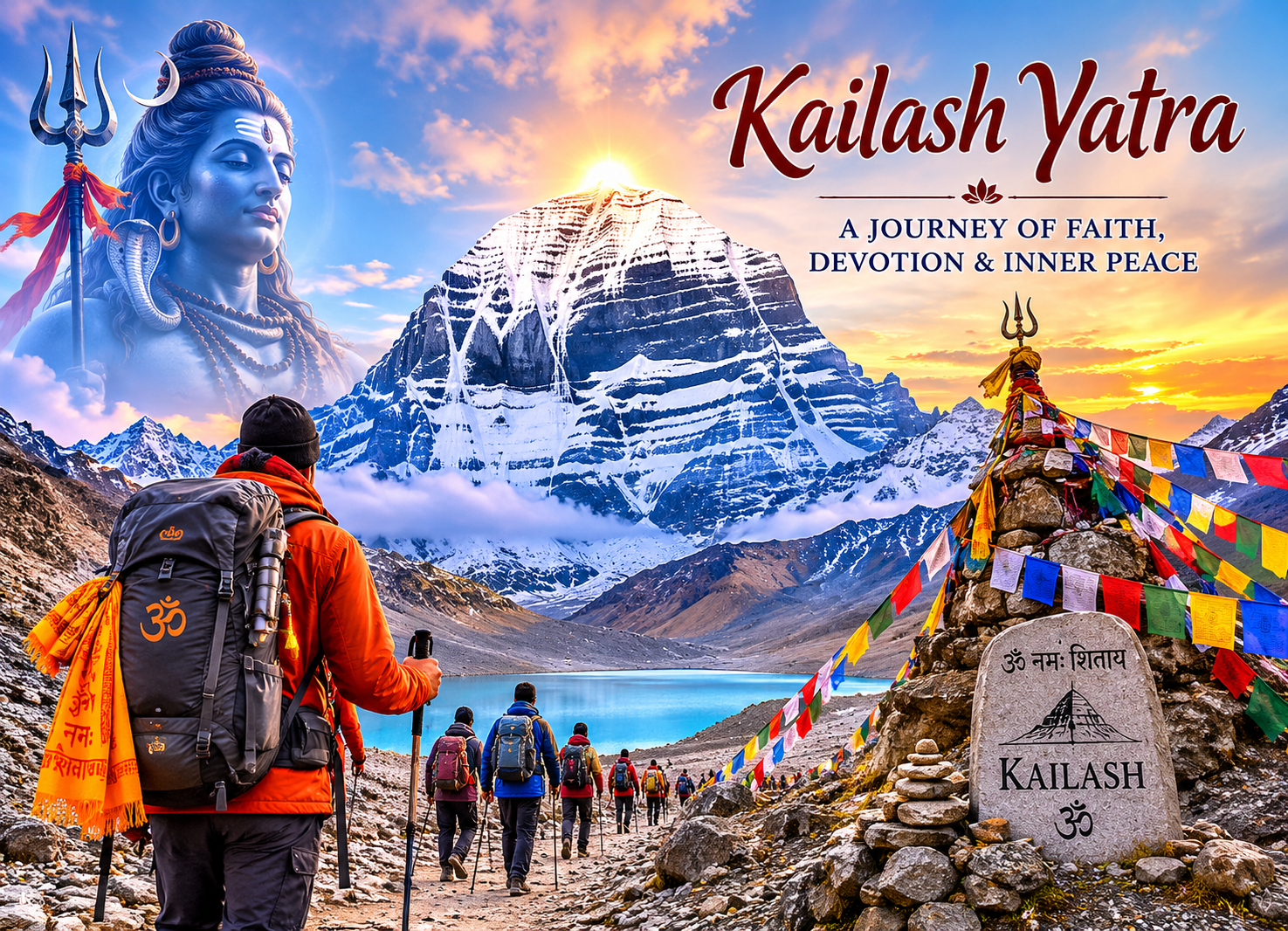
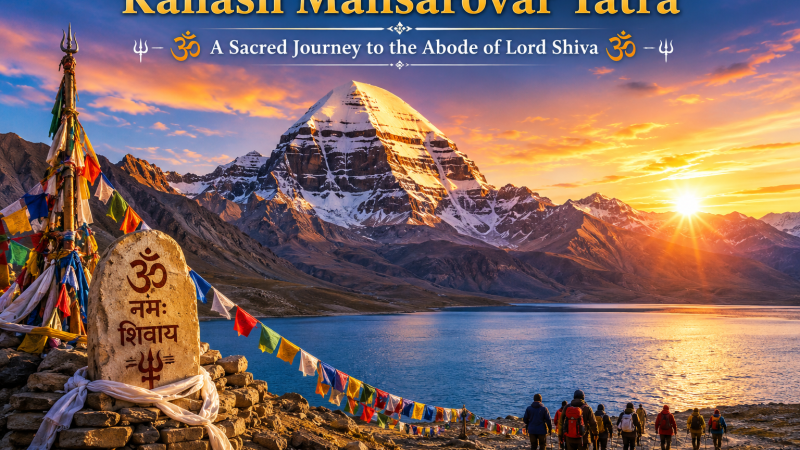
There are journeys that fill your passport, and then there are journeys that transform your soul. Kailash Yatra belongs to the second category. Hidden deep within the majestic Tibetan Plateau, Mount Kailash rises like a sacred pyramid, drawing thousands of pilgrims, trekkers, photographers, and spiritual seekers from every corner of the world.
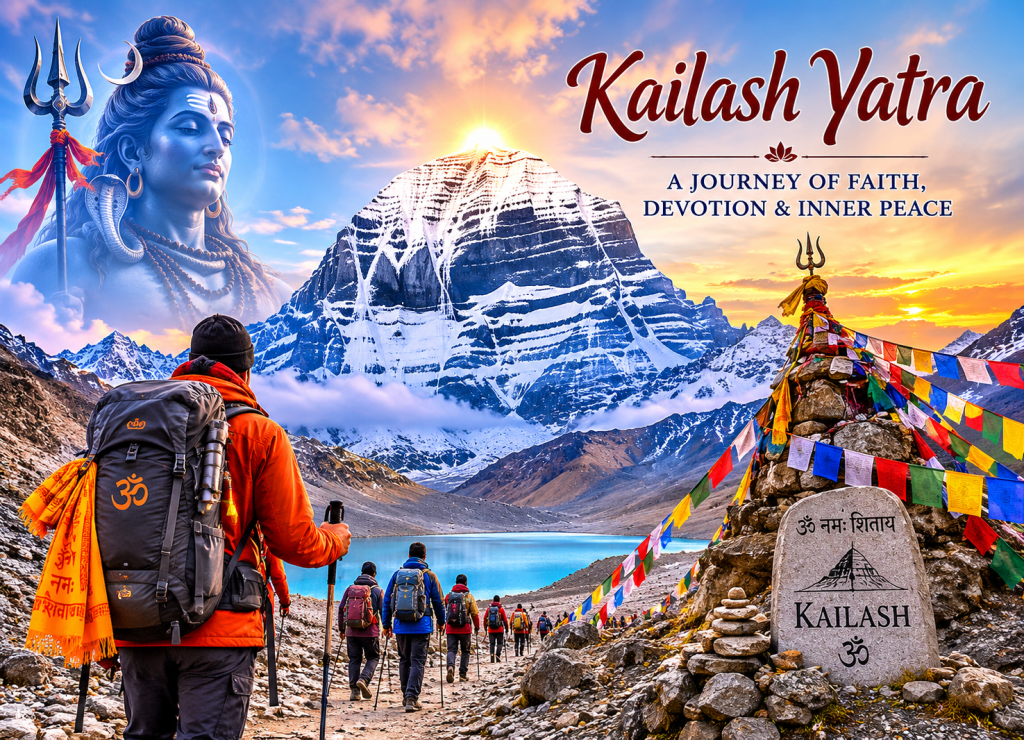
Unlike traditional tourist destinations, Kailash is not visited for luxury resorts or entertainment. People come here seeking peace, self-discovery, blessings, and an unforgettable connection with nature. Every step of the journey offers breathtaking Himalayan landscapes, crystal-clear lakes, ancient monasteries, colorful prayer flags, and a silence so profound that it feels almost divine.
Whether you are planning your first Kailash Mansarovar Yatra, researching travel routes, or simply fascinated by one of the world’s holiest mountains, this comprehensive guide covers everything you need to know.
Why is Mount Kailash So Special?
Standing at approximately 6,638 meters (21,778 feet) above sea level, Mount Kailash is considered one of the most sacred mountains on Earth.
What makes Kailash truly unique is that climbers are not permitted to summit the mountain. Unlike Everest or K2, Kailash remains untouched out of respect for its spiritual significance.
The mountain is revered by four major religions:
- Hinduism: Home of Lord Shiva and Goddess Parvati.
- Buddhism: Known as Mount Meru, the center of the universe.
- Jainism: Place where Lord Rishabhdev attained liberation.
- Bon Religion: The most sacred spiritual mountain.
This rare spiritual unity makes Kailash one of the world’s greatest pilgrimage destinations.
The Spiritual Importance of Kailash Mansarovar
According to Hindu mythology, Lord Shiva resides at Mount Kailash in eternal meditation.
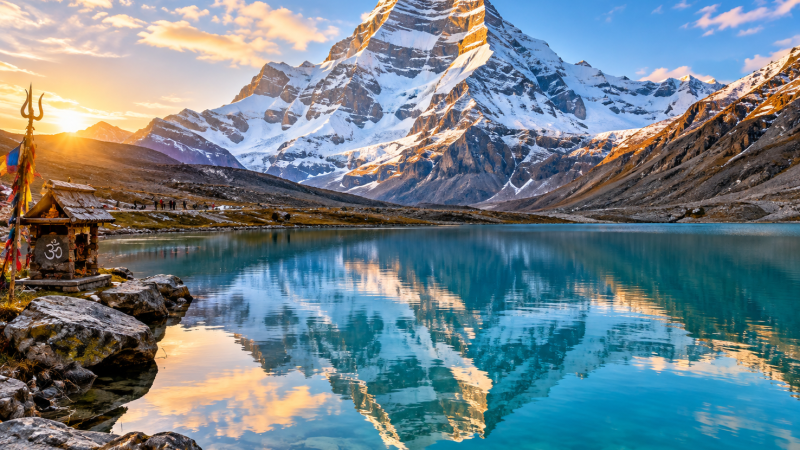
Nearby lies Lake Mansarovar, one of the highest freshwater lakes in the world at around 4,590 meters.
Devotees believe:
- Bathing in Mansarovar cleanses sins.
- Drinking its water brings spiritual purification.
- Completing Kailash Parikrama removes negative karma.
- The journey leads to inner peace and liberation.
Even visitors without religious beliefs often describe an overwhelming sense of calm and energy throughout the region.
Where is Mount Kailash Located?
Mount Kailash is located in the Ngari Prefecture of Tibet Autonomous Region, China.
Nearby attractions include:
- Lake Mansarovar
- Rakshas Tal
- Darchen
- Dirapuk Monastery
- Zutulpuk Monastery
- Yam Dwar
The mountain remains one of the most remote pilgrimage destinations on Earth.
Best Time for Kailash Yatra
The ideal season is from May to September.
May
- Pleasant weather
- Fresh mountain views
- Fewer crowds
June
- Most popular pilgrimage month
- Comfortable trekking conditions
July
- Green valleys
- Slight chances of rainfall
August
- Excellent visibility
- Major religious gatherings
September
- Crisp weather
- Stunning photography
- Less crowded
Winter travel is generally avoided because of heavy snowfall and extremely cold temperatures.
Different Routes for Kailash Yatra
1. Nepal Route (Most Popular)
Kathmandu → Nepalgunj → Simikot → Hilsa → Taklakot → Darchen → Kailash
Advantages:
- Faster
- Scenic helicopter options
- Preferred by international travelers
2. India Government Route
Organized through the Ministry of External Affairs.
Advantages:
- Highly organized
- Safe
- Government-managed logistics
3. Lipulekh Pass Route
A traditional trekking route from India involving high-altitude hiking.
Ideal for experienced trekkers.
4. Nathu La Route
Suitable for travelers seeking comparatively easier road travel with reduced trekking.
Kailash Parikrama (Kora)
The highlight of the journey is the famous 52-kilometer Kailash Parikrama.
Most pilgrims complete it in three days.
Day 1
Darchen → Dirapuk
Distance: Approximately 20 km
Highlights:
- North face of Mount Kailash
- Stunning glacier views
- Peaceful monastery
Day 2
Dirapuk → Dolma La Pass → Zutulpuk
The most challenging day.
Dolma La Pass reaches approximately 5,630 meters, making it the highest point of the pilgrimage.
Expect:
- Snow
- Rocky terrain
- Thin air
- Incredible panoramic views
Day 3
Zutulpuk → Darchen
A comparatively easy walk through beautiful valleys and rivers.
Lake Mansarovar
Lake Mansarovar is often described as one of the purest lakes in the world.
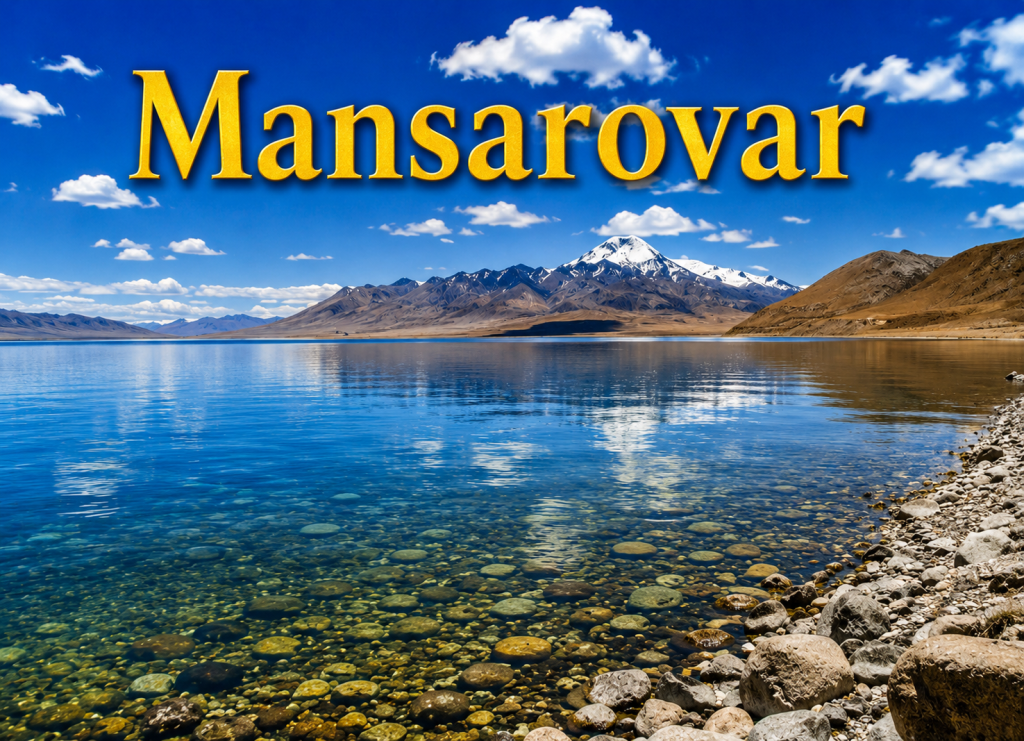
Activities include:
- Holy bath
- Meditation
- Sunrise photography
- Spiritual rituals
- Quiet reflection
Its turquoise waters beautifully reflect the snow-covered peaks of Mount Kailash.
Wildlife Around Kailash
Nature lovers may encounter:
- Tibetan wild ass
- Himalayan marmots
- Tibetan antelope
- Wild yak
- Black-necked cranes
- Himalayan vultures
The untouched ecosystem makes the region a paradise for wildlife enthusiasts.
Weather During Kailash Yatra
Temperatures vary greatly.
Daytime:
5°C to 18°C
Night:
-10°C to 2°C
Unexpected snowfall is possible even during summer.
Layered clothing is highly recommended.
Physical Fitness Required
Although technically not a mountaineering expedition, Kailash Yatra is physically demanding.
Preparation should include:
- Daily walking
- Stair climbing
- Cardio exercises
- Strength training
- Breathing exercises
Travelers should consult a physician before undertaking the pilgrimage, especially if they have heart or respiratory conditions.
Altitude Sickness
The greatest challenge is high altitude.
Common symptoms include:
- Headache
- Fatigue
- Nausea
- Breathlessness
- Dizziness
Tips:
- Stay hydrated
- Walk slowly
- Avoid alcohol
- Eat light meals
- Rest whenever needed
Proper acclimatization greatly improves the experience.
Essential Packing List
Carry:
- Thermal clothing
- Waterproof jacket
- Trekking shoes
- Wool socks
- Gloves
- Sunglasses
- Sunscreen
- Walking stick
- Power bank
- Water bottle
- Personal medicines
- Energy snacks
- Passport
- Travel permits
- Camera
Packing light while including essentials is key.
Accommodation
Accommodation generally includes:
- Hotels in Kathmandu
- Guesthouses
- Pilgrim lodges
- Basic Tibetan guesthouses
- Shared dormitories
Facilities are simple but adequate for most travelers.
Food During Kailash Yatra
Meals are usually vegetarian and simple.
Common dishes include:
- Rice
- Dal
- Vegetables
- Noodles
- Soup
- Tea
- Bread
- Fruits
High-altitude travel makes light, nutritious meals preferable.
Photography Tips
Kailash offers extraordinary opportunities for photography.
Capture:
- Sunrise over Mount Kailash
- Prayer flags
- Monasteries
- Lake Mansarovar reflections
- Snow-covered passes
- Star-filled night skies
Carry extra batteries since cold weather drains them quickly.
Responsible Travel
Help preserve this sacred destination.
Always:
- Respect local traditions
- Avoid littering
- Stay on marked trails
- Use reusable water bottles
- Follow local regulations
- Seek permission before photographing people
Responsible tourism protects both nature and local culture.
Approximate Kailash Yatra Cost
Costs vary depending on the route, permits, transportation, accommodation, and services included.
Typical packages may include:
- Visa and permits
- Transportation
- Hotels
- Meals
- Guides
- Support staff
- Medical assistance
- Yaks or porters (optional)
Travelers should compare package inclusions carefully before booking.
Why Every Traveler Should Experience Kailash Once
Very few places combine spirituality, adventure, natural beauty, and cultural richness as perfectly as Kailash.
The journey teaches patience, resilience, gratitude, and humility. Whether you complete the Parikrama or simply sit beside Lake Mansarovar watching the sunrise, the experience leaves lasting memories.
Many pilgrims say they return home physically tired but mentally renewed.
Useful Travel Tips
- Book your trip several months in advance.
- Purchase comprehensive travel insurance.
- Carry sufficient cash for remote areas.
- Train physically before departure.
- Respect altitude limits.
- Keep emergency contacts handy.
- Follow your guide’s instructions.
- Protect yourself from intense UV rays.
- Keep digital and printed copies of important documents.
- Travel with a positive mindset and realistic expectations.
Frequently Asked Questions (FAQs)
Is Kailash Yatra difficult?
Yes. The high altitude and long trekking distances make it physically demanding, but proper preparation significantly improves the experience.
How many days does Kailash Yatra take?
Most itineraries take between 10 and 18 days, depending on the chosen route and acclimatization schedule.
Can beginners do Kailash Yatra?
Yes. Many first-time trekkers complete the pilgrimage successfully after preparing with regular walking, cardio, and basic fitness training.
What is the best month for Kailash Yatra?
May, June, August, and September are generally considered the best months because of relatively stable weather and accessible routes.
Is a passport required?
Yes. International travelers require a valid passport and the necessary travel permits to enter Tibet.
Can senior citizens join?
Many senior pilgrims complete the journey each year if they are medically fit. A pre-trip health check is strongly recommended.
Is mobile network available?
Connectivity is limited in many areas. Expect unreliable mobile service and internet access during parts of the journey.
Is oxygen available?
Most organized tours carry portable oxygen cylinders and first-aid equipment, but travelers should not rely solely on them. Proper acclimatization remains essential.
Can I climb Mount Kailash?
No. Climbing Mount Kailash is not permitted out of respect for its profound religious and cultural significance.
Is travel insurance necessary?
Yes. Comprehensive insurance that covers high-altitude travel, medical emergencies, and trip interruptions is highly recommended.
Final Thoughts
Kailash Yatra is far more than a pilgrimage—it is an extraordinary journey through some of the world’s most awe-inspiring landscapes and one of humanity’s most revered spiritual destinations. From the shimmering waters of Lake Mansarovar to the demanding yet rewarding Kailash Parikrama, every moment offers an opportunity for reflection, adventure, and personal growth.
Whether your motivation is faith, curiosity, photography, trekking, or a desire to experience the Himalayas in their purest form, Kailash has a unique way of leaving a lasting impression. Plan carefully, prepare physically, respect the local culture and environment, and approach the journey with patience and humility. The memories and lessons you carry home may well become the most valuable souvenirs of your life.