Kedarnath Temple Travel Guide: Complete Pilgrimage & Himalayan Journey
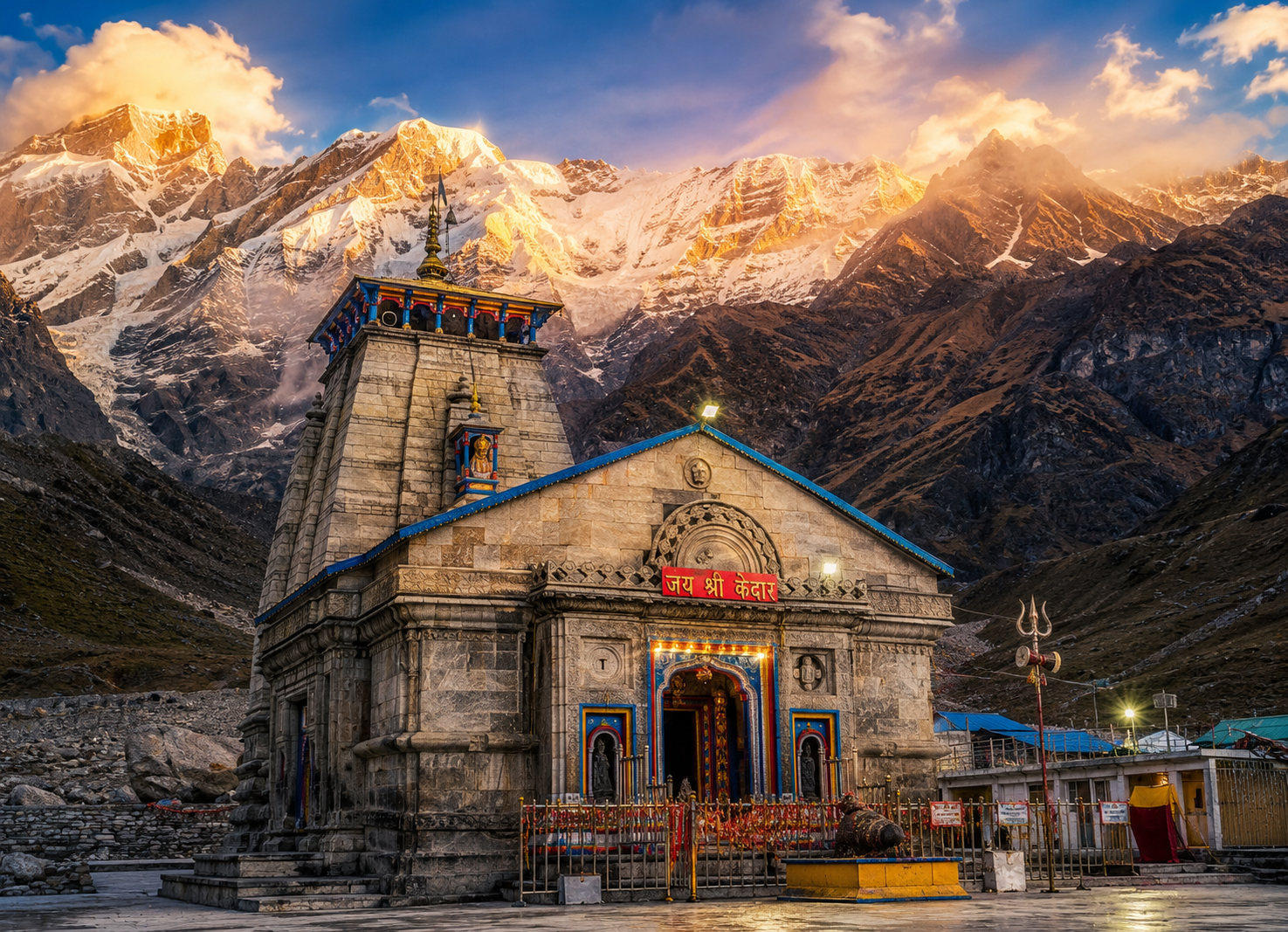
Hidden amidst the snow-clad Garhwal Himalayas of Uttarakhand at an altitude of approximately 3,583 meters (11,755 feet), Kedarnath Temple is one of India’s most sacred Hindu pilgrimage destinations and one of the holiest shrines dedicated to Lord Shiva. Surrounded by towering peaks, glacial rivers, and breathtaking landscapes, Kedarnath is not merely a temple—it is an unforgettable journey that blends spirituality, adventure, history, and nature into one extraordinary experience.
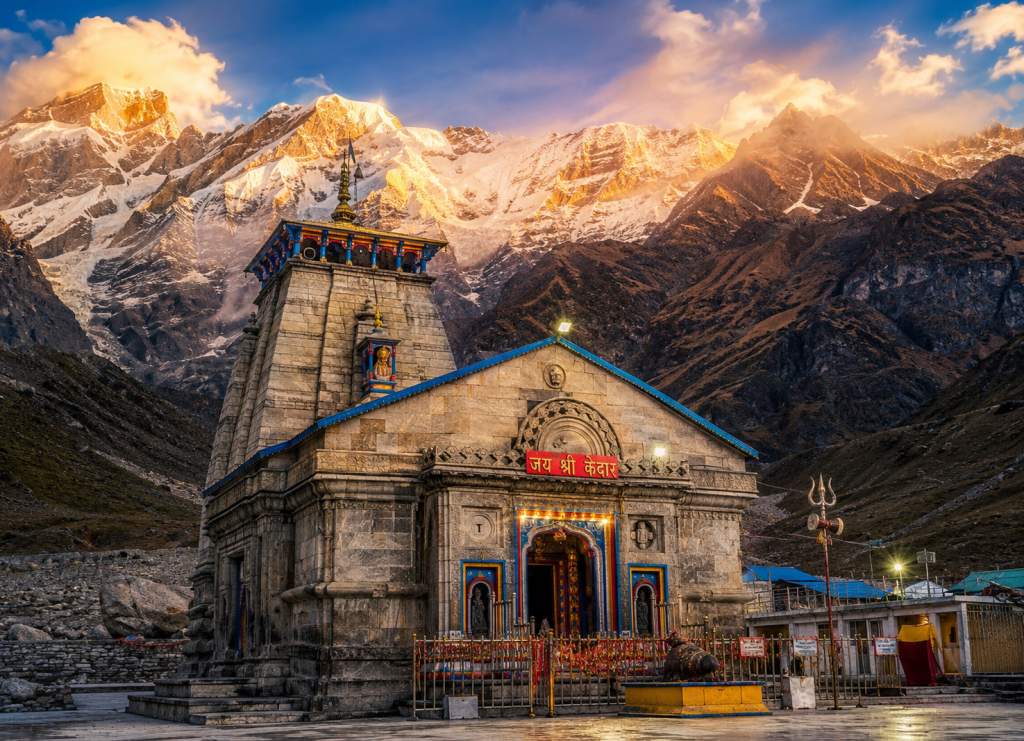
Every year, hundreds of thousands of pilgrims and travelers undertake the challenging yet rewarding trek to reach this ancient Himalayan shrine. Whether you are a devotee seeking blessings, a trekking enthusiast looking for an incredible mountain experience, or a traveler searching for one of India’s most spectacular destinations, Kedarnath offers something truly unforgettable.
The journey to Kedarnath is often described as life-changing. The crisp mountain air, the rhythmic chants of “Har Har Mahadev,” the roaring Mandakini River, and the magnificent Himalayan backdrop create memories that remain with visitors forever.
This complete travel guide covers everything you need to know before planning your Kedarnath Yatra—from history and mythology to trekking routes, accommodation, weather, travel tips, and nearby attractions.
Where is Kedarnath Temple?
Kedarnath Temple is located in the Rudraprayag district of Uttarakhand, India, near the source of the sacred Mandakini River.
Altitude: 3,583 meters (11,755 feet)
State: Uttarakhand
District: Rudraprayag
Mountain Range: Garhwal Himalayas
The temple is surrounded by spectacular Himalayan peaks including Kedarnath Peak, Bharatekuntha, and Kedar Dome, making it one of the most scenic pilgrimage destinations in the world.
Why is Kedarnath Temple So Famous?
Kedarnath is famous for several reasons:
- One of the 12 Jyotirlingas of Lord Shiva.
- Part of the sacred Char Dham Yatra.
- The most important temple among the Panch Kedar.
- Located amidst majestic Himalayan scenery.
- One of India’s oldest functioning temples.
- A remarkable survivor of the devastating 2013 Uttarakhand floods.
The combination of spirituality and breathtaking natural beauty makes Kedarnath unique among Indian pilgrimage destinations.
History of Kedarnath Temple
The origins of Kedarnath Temple are steeped in legend and history.
According to Hindu tradition, the temple was originally built by the Pandavas after the Mahabharata war to seek forgiveness from Lord Shiva for the destruction caused during the battle.
Legend says that Lord Shiva wished to avoid the Pandavas and transformed himself into a bull. When Bhima recognized him, Shiva disappeared into the earth. The hump of the bull emerged at Kedarnath, while other body parts appeared at four different locations, collectively known as the Panch Kedar.
The present stone temple is believed to have been revived by the great philosopher Adi Shankaracharya during the 8th century CE, helping restore Kedarnath as one of India’s foremost pilgrimage centers.
For centuries, despite harsh winters, avalanches, and challenging terrain, the temple has remained a beacon of faith for millions.
The Miracle of the 2013 Floods
One of the most remarkable chapters in Kedarnath’s history unfolded during the catastrophic floods of June 2013.
Massive flash floods devastated the entire Kedarnath valley, destroying homes, hotels, and infrastructure. Yet, despite the immense force of nature, the main temple remained standing.
A gigantic boulder, now popularly called the Divya Shila or “Bhim Shila,” rolled down the mountain and stopped directly behind the temple. It diverted the force of floodwaters and debris around the shrine, significantly reducing the impact on the temple structure.
Today, visitors can see this enormous rock behind the temple, and many regard it as a symbol of divine protection.
Architecture of Kedarnath Temple
Unlike many ornate South Indian temples, Kedarnath impresses visitors through its simplicity and strength.
The temple is built using massive interlocking grey stone slabs without modern cement. The structure has withstood centuries of earthquakes, snowfall, and extreme Himalayan weather.
Architectural highlights include:
- Tall stone platform
- Beautifully carved entrance
- Large Nandi statue facing Lord Shiva
- Ancient stone walls
- Conical sanctum
- Magnificent Himalayan backdrop
Inside the sanctum lies the naturally formed, irregularly shaped Shiva lingam representing the hump of Lord Shiva in his bull form.
Best Time to Visit Kedarnath
The temple remains open only for about six months each year due to extreme winter snowfall.
Summer (May–June)
This is the most popular season. The weather is pleasant, skies are generally clear, and trekking conditions are favorable. Expect large crowds during peak pilgrimage weeks.
Monsoon (July–August)
The valley turns lush and green, but heavy rainfall can trigger landslides and disrupt travel. Trekking during this period requires extra caution.
Autumn (September–October)
Often considered the best time for travelers, autumn offers crystal-clear mountain views, cool weather, and comparatively fewer crowds after the monsoon.
Winter (November–April)
Heavy snowfall makes Kedarnath inaccessible. During this period, the idol of Lord Shiva is ceremonially moved to Omkareshwar Temple in Ukhimath, where worship continues until the shrine reopens.
How to Reach Kedarnath Temple
Reaching Kedarnath is an adventure in itself.
By Air
The nearest airport is Jolly Grant Airport in Dehradun.
From there, travelers can hire taxis or board buses to Sonprayag or Gaurikund.
By Train
Nearest railway stations include:
- Rishikesh
- Haridwar
- Dehradun
From these stations, road transport is available toward Kedarnath.
By Road
Major road connections exist from:
- Delhi
- Haridwar
- Rishikesh
- Dehradun
Travelers usually drive or take buses to Sonprayag before continuing to Gaurikund.
The Kedarnath Trek
The final journey begins at Gaurikund.
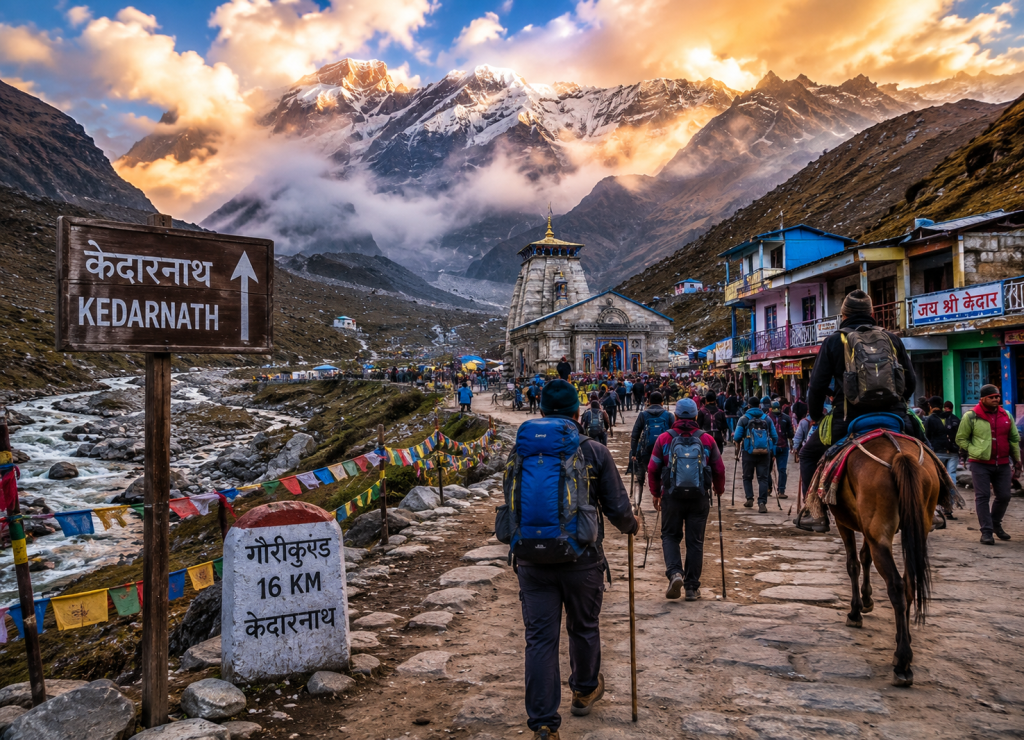
Current trekking distance is approximately 16–18 km, depending on the route in use.
The trek includes:
- Mountain pathways
- Waterfalls
- Forest sections
- River crossings
- Rest shelters
- Tea stalls
- Medical camps
Although physically demanding, the route rewards travelers with spectacular Himalayan scenery.
For those unable to trek, alternatives include:
- Pony services
- Palanquins (Palki)
- Helicopter services from nearby helipads
Helicopter Services
Helicopter services have made Kedarnath more accessible for elderly pilgrims and travelers with limited mobility.
Flights typically operate from locations such as:
- Phata
- Guptkashi
- Sersi
Weather conditions in the Himalayas can affect schedules, so travelers should keep flexible plans.
Temple Timings
General timings are:
Morning:
6:00 AM – 3:00 PM
Evening:
5:00 PM – 9:00 PM
The evening aarti is an unforgettable spiritual experience as chants echo through the surrounding mountains.
Accommodation Options
Visitors can choose from:
- GMVN guest houses
- Budget hotels
- Dharamshalas
- Private lodges
- Luxury camps (at lower altitudes)
Popular overnight locations include:
- Guptkashi
- Sonprayag
- Gaurikund
- Kedarnath
Advance booking is highly recommended during the pilgrimage season.
Food Availability
Despite its remote location, travelers can find:
- Simple vegetarian meals
- Tea
- Coffee
- Maggi noodles
- Rice and dal
- Roti and sabzi
- Snacks
- Bottled water
As Kedarnath is a sacred pilgrimage site, alcohol and non-vegetarian food are generally not available near the temple.
Registration for Kedarnath Yatra
Registration is mandatory for pilgrims undertaking the Char Dham Yatra.
Travelers should complete the required registration before beginning their journey. Carry valid identification and any required permits or confirmations, especially if using helicopter services.
Essential Packing List
Pack wisely for the Himalayan climate:
- Warm jackets
- Thermal wear
- Raincoat
- Trekking shoes
- Woollen cap
- Gloves
- Sunglasses
- Sunscreen
- Reusable water bottle
- Power bank
- Personal medicines
- Walking stick
- Flashlight
Weather in the mountains can change rapidly, even during summer.
Travel Tips
To make your journey safe and enjoyable:
- Begin trekking early in the morning.
- Stay hydrated.
- Walk at a comfortable pace.
- Spend time acclimatizing if possible.
- Avoid plastic litter.
- Respect local customs and temple rules.
- Keep emergency contacts handy.
- Check weather forecasts before departure.
- Carry sufficient cash, as digital connectivity may be unreliable.
Nearby Attractions
A trip to Kedarnath can be combined with several fascinating destinations:
Bhairavnath Temple
Located on a nearby hill, this temple offers panoramic views of the Kedarnath valley and is dedicated to Bhairava, believed to be the guardian deity of Kedarnath during the winter months.
Vasuki Tal
A high-altitude glacial lake surrounded by snow-covered mountains, Vasuki Tal is popular among experienced trekkers seeking serene Himalayan beauty.
Triyuginarayan Temple
According to Hindu tradition, this ancient temple marks the sacred site where Lord Shiva and Goddess Parvati were married. The eternal flame burning here is believed to have witnessed their divine wedding.
Guptkashi
An important pilgrimage town featuring the Vishwanath Temple and serving as a major stopover for Kedarnath pilgrims.
Chopta
Often called the “Mini Switzerland of India,” Chopta is known for its lush meadows and serves as the base for the trek to Tungnath and Chandrashila.
Photography Tips
Kedarnath offers incredible opportunities for photography.
Capture:
- Sunrise over the temple
- Snow-covered Himalayan peaks
- Mandakini River
- Prayer ceremonies
- Stone pathways
- Colorful prayer flags
- Star-filled Himalayan skies
- Pilgrims on the trekking trail
Always respect temple regulations regarding photography inside the sanctum.
Responsible Tourism
Help preserve the fragile Himalayan ecosystem:
- Do not litter.
- Carry reusable bottles.
- Avoid single-use plastics.
- Respect wildlife.
- Stay on designated trails.
- Support local businesses.
- Minimize noise pollution.
- Leave nature as you found it.
Responsible travel ensures that future generations can enjoy Kedarnath’s pristine beauty.
Why Every Traveler Should Visit Kedarnath
Kedarnath is far more than a religious destination. It is a place where nature, history, mythology, resilience, and spirituality come together in perfect harmony.
Standing before the ancient stone temple while snow-capped peaks rise dramatically behind it is an experience that transcends photographs. The long trek teaches patience and determination, while the peaceful atmosphere inspires reflection and gratitude.
Whether you arrive seeking divine blessings, an unforgettable Himalayan adventure, or simply a deeper connection with nature, Kedarnath has the power to transform your perspective.
Frequently Asked Questions (FAQs)
Is Kedarnath suitable for first-time trekkers?
Yes. With proper preparation, reasonable fitness, and adequate rest, many first-time trekkers successfully complete the journey.
How many days are required for a Kedarnath trip?
A comfortable itinerary from Haridwar or Rishikesh usually takes 4–6 days, depending on travel pace and weather conditions.
Can senior citizens visit Kedarnath?
Yes. Many senior pilgrims visit every year using helicopter services, ponies, or palanquins if trekking is difficult.
Is mobile network available?
Connectivity is limited and may be intermittent. BSNL and a few other networks generally offer the best coverage in the region, but service cannot be guaranteed.
What should I wear?
Layered warm clothing, waterproof outerwear, sturdy trekking shoes, and sun protection are recommended throughout the pilgrimage season.
Final Thoughts
A journey to Kedarnath Temple is not simply about reaching a destination—it is about embracing one of India’s most profound spiritual and natural experiences. Every winding mountain road, every step along the trek, every chant that echoes through the valleys, and every glimpse of the ancient shrine against the majestic Himalayas becomes part of a story that travelers carry home forever.
Whether you are planning your first Kedarnath Yatra, exploring the sacred Char Dham, or searching for an unforgettable Himalayan adventure, Kedarnath promises memories that will last a lifetime. Come prepared, travel responsibly, respect the mountains, and allow the timeless presence of Lord Shiva and the grandeur of the Himalayas to leave an enduring mark on your heart.
Har Har Mahadev!